

If you’ve grown up in Ahmedabad, there’s a jar you already know. It sits on a shelf, not in the fridge, and it’s still good next summer. That jar is doing real chemistry, and Gujarati pickle making is built entirely on it. Achaar survives a year at room temperature because salt, oil and acidity stack up as three separate barriers against spoilage — and in 2025, India’s pickle market reached USD 624.1 million on the strength of that method (IMARC Group, India Pickles Market, 2025). Understand the barriers, and your pickle stops failing.
Key Takeaways
– In 2025, India’s pickle market reached USD 624.1 million, projected to hit USD 988.8 million by 2034 (IMARC Group).
– Achaar keeps without refrigeration through three stacked barriers: salt lowers water activity, oil seals out air, and acidity blocks survivors.
– Under FSS Regulations, pickles in brine must carry at least 12.0% salt and at least 60.0% drained weight.
– Classic Gujarati pickles use no onion or garlic; strict Jain households need only leave out the asafoetida.
What Makes Gujarati Pickle Making Work Without Refrigeration?
Achaar keeps because no single microbe can get past all three barriers at once. Under India’s Food Safety and Standards Regulations, pickles preserved in brine must contain not less than 12.0% sodium chloride (Processed Food Industry, Quality and Food Safety Standards for Indian Pickles, 2011 regulations). At that concentration, water stops being available to spoilage organisms.
Salt works by osmosis. It pulls water out of the mango or lemon pieces and into the surrounding brine. Microbes need free water to grow, and salt takes it away. This is why the first step in almost every Gujarati recipe is salting the cut fruit and letting it drain overnight.
So why does the brine your grandmother poured away matter so much? Because that liquid is the water the pickle can’t be allowed to keep. Draining it is the whole point of the overnight rest — the recipe isn’t wasting flavour, it’s removing the one thing spoilage organisms need most.
Oil is the second barrier, and it’s purely physical. A layer of oil above the solids blocks oxygen. Moulds and most spoilage yeasts need oxygen, so an unbroken oil seal starves them before they establish.
Acidity is the third. Raw mango is already sour, and many recipes add lemon juice or vinegar on top. The regulations set minimums here too: not less than 1.2% acidity as citric acid for pickles in citrus juice, and not less than 2.0% as acetic acid for pickles in vinegar.
Our finding: In our teaching kitchen, the pickles that fail almost never fail on salt. They fail on the oil layer. Students measure salt carefully because a recipe gives them a number, then pour oil by eye and leave a corner of mango poking through.
Miss one barrier and the other two often hold. Miss two, and you’ll see mould within a fortnight. For more on how sour and salty elements function inside a wider Gujarati meal, see our guide to the story behind the Gujarati thali.
Why Does Mustard Oil Matter More Than You Think?
Mustard oil isn’t chosen only for its sharp flavour. In 2010, food scientists at the USDA Agricultural Research Service reported that 2 mM allyl isothiocyanate prevented the growth of Zygosaccharomyces globiformis, a yeast responsible for commercial pickle spoilage (Pérez-Díaz and McFeeters, Journal of Food Science 75(4), 2010). Allyl isothiocyanate is the compound behind mustard oil’s pungency. It’s the major component of mustard essential oil, and a small volatile fraction of the cold-pressed kachi ghani oil actually used in achaar — present in modest amounts, but the active one here.
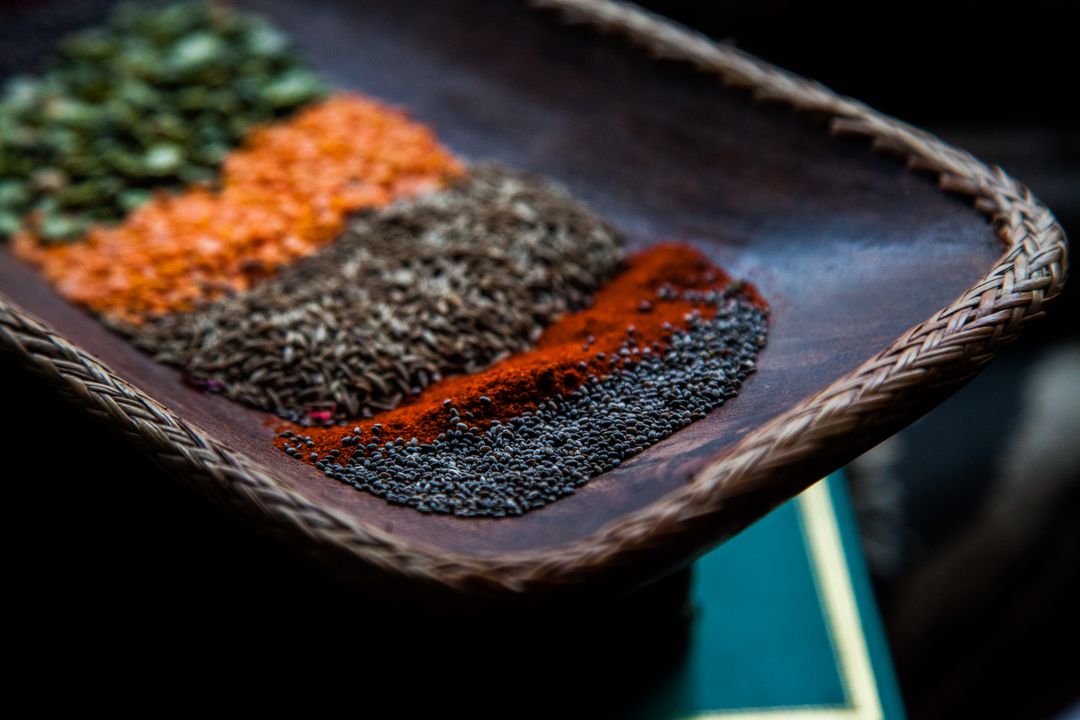
Here’s the mechanism. Mustard seeds hold a compound called sinigrin. When the seed is crushed, an enzyme acts on sinigrin and releases allyl isothiocyanate — the same molecule that makes your nose sting over a jar of fresh mustard paste. That sting is antimicrobial activity you can smell.
One honest caveat matters here. That USDA study tested acidified cucumbers, not Indian mango achaar. The compound and its mechanism transfer directly, because mustard oil is mustard oil. The specific concentrations inside a Gujarati pickle jar haven’t been measured the same way.
The same study found allyl isothiocyanate did not stop Lactobacillus plantarum, a lactic acid bacterium. That’s a useful detail rather than a flaw. Lactic bacteria are the organisms doing desirable souring, and mustard oil suppresses the spoilers while leaving them room to work.
Isn’t a preservative that kills selectively a strange thing to find in a village recipe? Not really — it’s what centuries of trial and error select for. Cooks kept the combinations that produced good pickles and abandoned the ones that spoiled, long before anyone could name the molecule responsible.
So why do Gujarati recipes lean on mustard, fenugreek and turmeric together rather than any one of them? Because each contributes something different — flavour, bitterness, colour, and in several cases antimicrobial pressure. The spice blend is a working system, not decoration.
What Does FSSAI Actually Require of a Pickle?
If you sell achaar, the numbers stop being optional. Under the Food Safety and Standards Regulations, every pickle must show drained weight of not less than 60.0%, and must be free from copper, mineral acid, alum and synthetic colours (Processed Food Industry, Quality and Food Safety Standards for Indian Pickles, 2011 regulations). Those four prohibitions exist because each was once used to fake colour or crunch.
One caution before you rely on any of these figures commercially: they reflect the 2011 standards as reproduced by a trade publication, and the regulations have been amended repeatedly since. Treat them as the shape of the requirement, not as today’s exact legal text — the current consolidated version lives on fssai.gov.in.
Drained weight is the one that catches home businesses out. It means at least 60% of what’s in the jar must be actual pickle solids once the oil or brine is poured off. A jar that looks generous but drains to 45% fruit doesn’t meet the standard.
Does any of this apply if you only sell to neighbours? Yes — the regulations govern the product, not the size of your customer list. The definition itself is broad: pickles are preparations from fruits, vegetables or other edible plant material, preserved in salt, acid, sugar, or any combination of the three. A jar of methia keri sold from a home kitchen sits squarely inside it.
The market context explains why this matters more each year. In 2025 the India pickles market stood at USD 624.1 million, and IMARC projects USD 988.8 million by 2034 at a 5.09% CAGR across 2026-2034. More home producers are entering a category that is regulated.
If you’re planning to sell, licensing comes first. Our guide to FSSAI registration for home bakers in Gujarat covers the registration tiers and what each one permits.
Chhundo, Methia Keri, and Gorkeri: Gujarat’s Own Achaar Traditions
India’s own food regulations define a pickle as plant material preserved in salt, acid, sugar, “or any combination of the three” (Processed Food Industry, Quality and Food Safety Standards for Indian Pickles, 2011 regulations). Gujarat is unusual in that its three signature pickles each pick a different one of those routes.
Chhundo sits at the sugar end — grated raw mango cooked down until it turns glossy and jam-like. Methia keri sits at the salt-and-oil end, built on split fenugreek seeds, chilli and mustard oil.
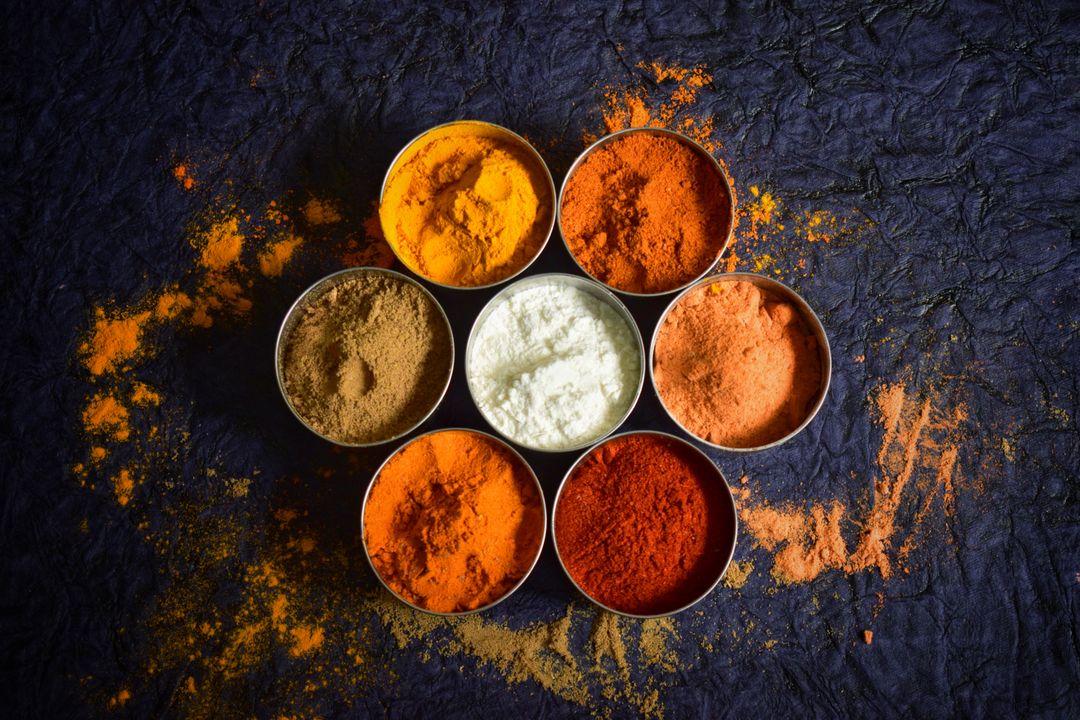
Gorkeri lands between them, sweet and spiced at once, usually made with jaggery. The three aren’t variations of one recipe. They’re three different preservation strategies: sugar concentration for chhundo, oil and spice for methia keri, and a hybrid for gorkeri. You’ll find all three on tables across the state — our guide to Ahmedabad’s best vegetarian food destinations maps where the region’s food traditions cluster.
Chhundo is the interesting one technically. Traditionally it’s set out in the sun in a covered glass jar for several days, and the sugar does double duty. It concentrates as water evaporates, and high sugar concentration lowers water availability much as salt does.
That sun-curing step is easy to dismiss as folklore. It isn’t. Sunlight supplies the gentle, sustained heat that drives off water without cooking the fruit to pulp, and the covered jar keeps insects and airborne spores out while it happens. Skip it and you get a wetter chhundo that ferments instead of setting.
Here’s what makes this tradition unusually portable: none of the three classic Gujarati pickles need onion or garlic. Their flavour architecture rests on mustard, fenugreek, turmeric and chilli, which is not true of most north Indian pickle traditions.
One qualifier matters for observant Jain households. Asafoetida appears in many Gujarati pickle masalas, and hing is a resin tapped from the taproot of the Ferula plant — a root, and therefore avoided under strict Jain practice. Households that leave it out lift the mustard and ajwain instead, and the pickle keeps just as well, because hing was never one of the preservation barriers. Our guide to Jain food culture in Gujarat covers how these substitutions work across a wider menu.
Ready to learn from expert chefs? Explore Courses at Florence Academy →
Is Achaar Actually Good for You?
Traditional pickles carry live microbes, and some of them have measurable probiotic credentials. In 2022, researchers isolating a yeast called Pichia kudriavzevii Y33 from home-made mango pickle in Himachal Pradesh recorded 88.62% survival after three hours at pH 2 (Journal of Genetic Engineering and Biotechnology, 2022). Surviving stomach acid is the first test any probiotic has to pass.
The same strain showed 95% survival under simulated bile conditions and assimilated cholesterol at 88.58%. It also clumped together — what the study calls autoaggregation — at 87% after 24 hours, which is how researchers gauge whether a microbe can stick around in the gut rather than washing straight through. Those are laboratory measures on one isolated strain, not a claim about every jar in every kitchen.
Now the honest half. Achaar is salty by design, and that salt is the preservation system rather than a seasoning choice. A pickle meeting the 12.0% brine standard is not a food you eat by the bowl. Gujarati meals serve it in a spoon-sized katori for a reason that turns out to be nutritional as much as cultural. If you’re balancing sodium across a working week, our guide to quick, healthy meals for working professionals covers where it adds up.
So is it healthy? In the quantities the tradition actually specifies, a spoon of achaar adds live microbes and very little else. Scale that spoon into a serving and the sodium arithmetic changes fast.
What Goes Wrong — and How to Fix It
Most failed pickles fail for one of four reasons, and moisture causes three of them. The regulations require a finished pickle to show “no sign of fermentation” and to keep drained weight at not less than 60.0% (Processed Food Industry, Quality and Food Safety Standards for Indian Pickles, 2011 regulations). Both failures start the same way — water where it shouldn’t be.
Mould on the surface means air and water reached the solids, usually because the oil layer didn’t fully cover them.
Can a mouldy pickle be rescued by scooping off the top? Not reliably. What you can see is the fruiting body; the filaments often run deeper into the pickle than the visible patch suggests. With a jar meant to last a year, the safer call is to discard it and fix the cause.
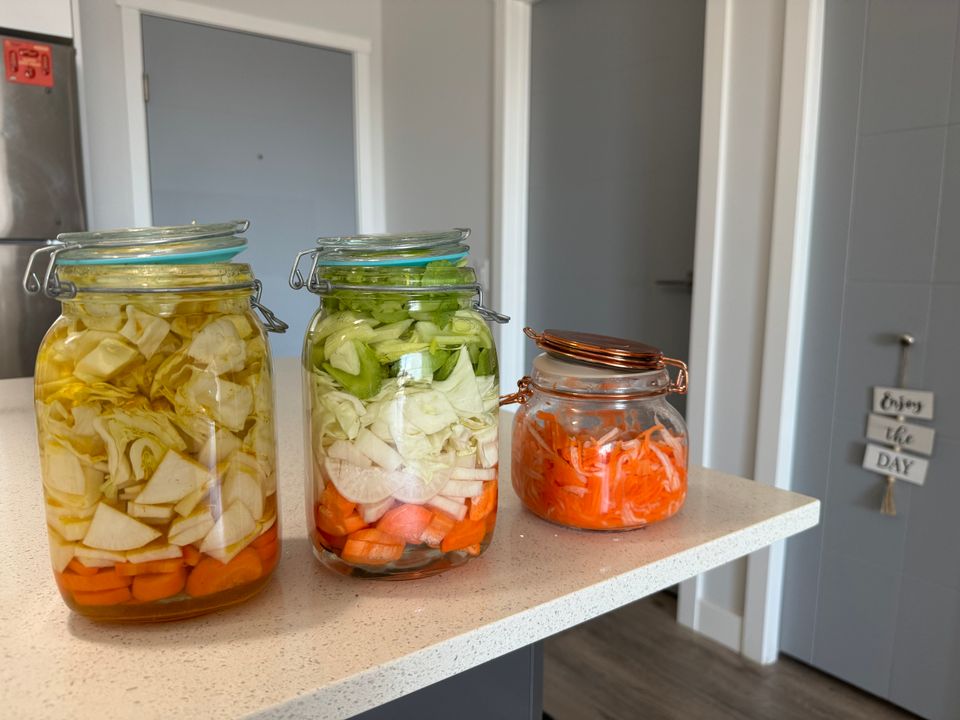
A wet spoon. One damp spoon introduces enough water to seed mould at the point it touches. Keep a dedicated dry spoon with the jar and never return used pickle to it.
Under-cured fruit. If salted mango pieces still hold water when you add oil, that water separates out and pools. Drain the salted pieces properly, and sun-dry them if the recipe asks.
Too little salt. Cutting salt to make a pickle “healthier” removes the barrier doing the work. If you want less sodium per bite, eat less pickle rather than making a weaker one.
A broken oil seal. Top up the oil whenever solids surface. This is maintenance, not a one-time step.
Our finding: The single most common correction we make with students is the storage jar itself. A wide-mouthed jar exposes far more surface area to air than a narrow one, and pickles in wide jars need noticeably more oil to stay sealed.
Monsoon humidity makes every one of these worse. Our guide to monsoon comfort food in Gujarat covers how the season affects home kitchens more broadly.
Frequently Asked Questions
How long does homemade Gujarati achaar last?
A properly made oil-based achaar keeps for a year or more at room temperature, provided the oil layer covers the pickle completely and no moisture enters the jar. Pickles in brine or citrus juice have shorter shelf lives. The limiting factor is almost always moisture contamination, not age.
Why does mould grow on top of my pickle?
Mould means the surface was exposed to air and moisture. The usual causes are an oil layer that doesn’t fully cover the pickle, a wet spoon dipped into the jar, or under-cured mangoes that still hold water. Top up the oil so it sits well above the solids.
Is achaar actually good for you?
Traditional pickles carry live microbes with measured probiotic properties. A yeast isolated from home-made mango pickle survived at 88.62% after three hours at pH 2, per a 2022 study in the Journal of Genetic Engineering and Biotechnology. The catch is sodium — achaar is eaten in spoonfuls for good reason.
Can Jain families make traditional Gujarati achaar?
Yes. Most classic Gujarati pickles — methia keri, gorkeri, chhundo — contain no onion or garlic at all. Their flavour comes from mustard, fenugreek, turmeric and chilli. The one adjustment strict Jain households make is leaving out asafoetida, since hing is tapped from a root. It plays no preservation role, so omitting it costs nothing.
What salt level does FSSAI require for pickles in brine?
Under the Food Safety and Standards Regulations, pickles in brine must contain not less than 12.0% sodium chloride, and drained weight must be not less than 60.0%. Pickles in vinegar need acidity of not less than 2.0% as acetic acid. These figures come from the 2011 standards, which have been amended since — check the current consolidated regulation on fssai.gov.in before you label a jar.
Conclusion
Achaar isn’t fragile, and it isn’t magic. It’s three barriers doing separate jobs:
- Salt removes the free water microbes need, at 12.0% or more in brine under FSS Regulations.
- Oil blocks oxygen, which is why the seal matters more than the recipe.
- Acidity and spice handle what gets past the first two, with mustard oil’s allyl isothiocyanate documented against a known spoilage yeast.
Gujarat’s own traditions — chhundo, methia keri, gorkeri — apply those barriers in three different proportions, and all three happen to work without onion or garlic. If your pickles keep failing, check the oil line before you change the recipe.
Want to learn these techniques hands-on, alongside the wider vegetarian repertoire they belong to? Our Culinary Foundation Program covers preservation, spice handling and regional Gujarati cooking with expert chefs in Ahmedabad.
Ready to learn from expert chefs? Explore Courses at Florence Academy →
Have questions? Chat with us on WhatsApp — we respond fast.


