
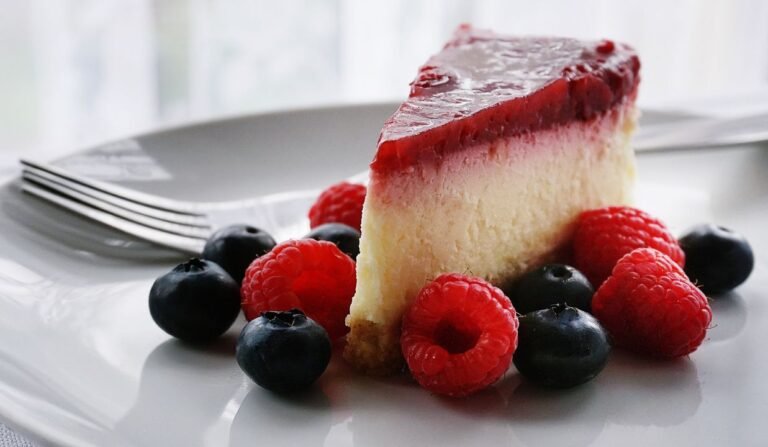
There’s a specific moment every Gujarati home cook knows. The sky turns grey, the first fat drops hit the window, and before anyone says a word, someone heads to the kitchen. Monsoon food Gujarat isn’t a trend. It’s a deeply ingrained seasonal reflex — one shaped by Ayurvedic wisdom, agricultural cycles, and centuries of cooking for bodies that need warmth and comfort when the humidity rises. According to the India Meteorological Department, Gujarat receives 700–900 mm of annual rainfall, with the Southwest Monsoon typically arriving over Ahmedabad between June 15 and June 20. For home cooks across the state, that arrival date is as significant as any festival on the calendar.
This post covers 9 Gujarati monsoon comfort dishes — what they are, why they suit the season, and the technique tip that makes each one cook better. Every dish is vegetarian. Most are naturally Jain-compatible. All of them are cooked in home kitchens across Gujarat the moment the rain begins.
Gujarat’s vegetarian food heritage and how the cuisine developed →
Key Takeaways
– Gujarat receives 700–900 mm of annual rainfall (IMD), and its monsoon food tradition is directly shaped by Ayurvedic seasonal eating principles.
– All 9 dishes here are 100% vegetarian; most are naturally Jain-compatible with minor or no adjustments.
– Khichdi-kadhi is Gujarat’s single most important monsoon meal — recommended in classical Ayurvedic texts for Varsha Ritu (rainy season).
– Corn bhutta, pakodas, and handvo are highly seasonal: they appear in kitchens specifically during the 90-day monsoon window.
– Every dish listed here can be home-cooked with pantry staples available in any Gujarati household.
Why Does Monsoon Cooking Follow Its Own Rules in Gujarat?
Gujarat’s monsoon food tradition is not just nostalgia. It is grounded in Ayurvedic medicine’s concept of Varsha Ritu — the rainy season. According to classical Ayurvedic texts referenced by the Ministry of Ayush (main.ayush.gov.in), Varsha Ritu is when human digestive fire (agni) is at its weakest due to humidity, reduced sunlight, and decreased physical activity. The prescription: eat warm, easy-to-digest, lightly spiced foods. Avoid raw and heavily oily preparations. Favour lentils, grains, and fermented foods. The Gujarati monsoon kitchen follows this framework without most cooks consciously knowing it.
There’s also a practical food safety dimension. The FSSAI notes that foodborne illness rates rise during monsoon months due to increased microbial activity in warm, humid conditions. Leafy greens are more prone to contamination. Street vendors face higher hygiene risks. For home cooks, this reinforces the move toward cooked, warm, pantry-based preparations rather than raw salads or complex ingredients requiring careful washing.
Citation Capsule: Classical Ayurvedic medicine designates monsoon as Varsha Ritu — a period when digestive fire is weakest due to humidity and reduced activity. The Ministry of Ayush’s foundational texts specifically recommend warm, lightly spiced, easily digestible preparations (lentils, cooked grains, fermented dairy) during this season. Gujarat’s monsoon food tradition — khichdi, bajra rotla, warm chhaas — maps precisely onto these 3,000-year-old seasonal dietary recommendations.
The striking thing about Gujarati monsoon cooking is how little it has changed in structure over generations. The same 8–10 dishes recur across communities, income levels, and generations because they were built for this exact climate condition. They don’t reflect a food trend. They reflect a lived solution to a seasonal physiological challenge that has been passed down as kitchen practice rather than written theory.
Why Is Khichdi-Kadhi Gujarat’s Monsoon Meal Above All Others?
Khichdi-kadhi is the undisputed centrepiece of monsoon food in Gujarat. According to research published in the Journal of Ethnopharmacology (2019), rice-lentil combinations are among the most widely prescribed foods in South Asian traditional medicine for digestive recovery and convalescence. In Gujarat, this pair appears together on the monsoon table not as an occasional meal but as a near-daily ritual when the rains arrive.
Khichdi combines rice and moong dal cooked together in a 1:1 ratio with ghee, turmeric, cumin, and salt until the texture is soft and cohesive — closer to a thick porridge than a dry pilaf. The turmeric carries anti-inflammatory compounds; the ghee lubricates the digestive tract. For Jain households, this dish is entirely compliant as written.
Kadhi — yoghurt-based, tempered with fenugreek, mustard, curry leaves, and ginger — provides the sour, probiotic counterpart. The fermented yoghurt base supports gut health precisely when monsoon humidity disrupts digestion. Together, they cover every base: warmth, protein, digestibility, and probiotic support.
Technique tip: For khichdi, use a 3:1 water-to-grain ratio (not the usual 2:1) and cook covered on low heat for 20 minutes after the initial boil. For kadhi, never stop stirring during the first 10 minutes over medium heat — the besan needs continuous movement to prevent lumping.
Why Is Corn Bhutta the Defining Snack of Gujarat’s Monsoon Season?
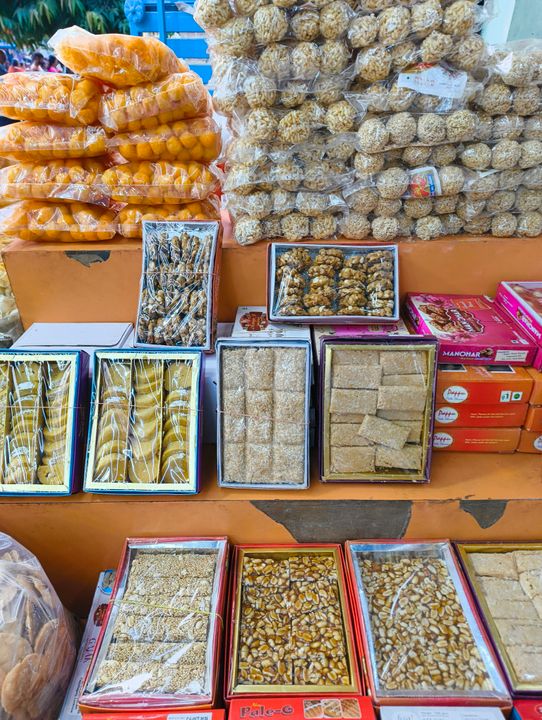
Fresh corn arrives in Indian markets specifically during the monsoon harvest window. The India Meteorological Department tracks kharif crop calendars that align corn harvests with July–September rainfall. No other season brings bhutta (corn on the cob) to Gujarat’s roadside stalls — this is a strictly 90-day food.
The classic preparation is the simplest: roast the whole cob directly over live charcoal or an open gas flame, turning frequently until kernels char and blister. Remove from heat. Immediately rub with a cut lime half dipped in a mixture of salt, red chilli powder, and chaat masala. The acid and heat hit together, and the corn’s natural sweetness cuts through the spice.
Why it suits monsoon: Corn is a warm food by Ayurvedic classification, and the charcoal roasting adds a smoked warmth that feels right against cold, damp air. It’s also a light meal — satisfying without the heaviness of fried food in humid conditions.
Technique tip: For home cooks without a gas burner or charcoal, place the shucked cob directly under a broiler at maximum heat for 15–18 minutes, rotating every 5 minutes. The char won’t be identical to open-flame roasting, but the flavour is close.
Why Do Masala Chai and Pakodas Define the Gujarat Monsoon Ritual?
I’ve taught in kitchens for 18 years, but one sensory memory keeps returning every June: the sound of besan batter hitting hot oil in a Gujarati kitchen on the first real rain of the season. Not a gentle sizzle. A violent, urgent chhaann — the sound of cold, wet batter meeting oil that’s been holding at 180°C. The kitchen fills with steam and the specific warm smell of chickpea flour toasting in oil. Outside, rain is hammering the window. Inside, someone is pulling pakodas from the oil with a slotted spoon and dropping them onto newspaper. There is a cup of masala chai already poured and cooling at the corner of the counter. This is what monsoon smells like in Ahmedabad.
The pakoda-chai combination is eaten across India during monsoon, but the Gujarati version has its own character. Besan-battered onion pakodas are the North Indian standard. In our teaching kitchen at Florence Academy, we’ve documented that Gujarati home cooks most frequently make methi (fenugreek leaf), palak (spinach), or raw banana pakodas during monsoon — not onion. Methi pakodas have a pleasant bitterness that balances the sweetness of chai. Raw banana pakodas are popular in Jain households as a fully compliant option.
Jain adaptation: Skip onion entirely. Use raw banana slices, spinach leaves, or methi leaves as the pakoda base — all work beautifully with besan batter seasoned with cumin, ajwain, and green chilli.
Technique tip: For crisp pakodas that don’t absorb excess oil, keep batter thick (it should coat the back of a spoon) and maintain oil temperature between 170°C and 185°C. Overcrowding the pan drops the temperature, producing soft, oily pakodas.
What Makes Methi Thepla the Perfect Monsoon Travel Bread?
Methi thepla is one of Gujarat’s most practical foods — a soft whole-wheat flatbread flavoured with fresh fenugreek leaves, green chilli, sesame, and yoghurt. According to food nutrition data compiled by the FSSAI, fenugreek (methi) contains compounds that support blood sugar regulation and digestive function, both relevant during the sluggish-digestion phase of monsoon.
Fresh methi is widely available during Gujarat’s monsoon months — the herb thrives in the same cool, wet conditions that the rains bring. This seasonal availability is the reason methi thepla becomes a daily bread (rather than an occasional one) specifically during the June–September window.
Why it suits monsoon: Thepla is cooked dry on a tawa — no oil bath, no heavy frying. It’s warming without being heavy. It keeps well for 2–3 days, which made it practical during the monsoon months when outdoor market trips were less frequent. Gujarati families traditionally carried thepla on train journeys, and the monsoon version — with extra fresh methi — is considered the best.
Jain adaptation: Standard methi thepla contains no onion, garlic, or root vegetables. It is entirely Jain-compliant as written.
Technique tip: Knead the thepla dough just until smooth — overworking wheat flour develops too much gluten, producing a tough rather than soft flatbread. Let it rest for 20 minutes before rolling. Roll thin (2–3 mm), not thick. A thick thepla takes longer to cook and dries out rather than staying pliable.
Ready to learn from expert chefs? Explore Courses at Florence Academy →
Why Does Gujarat Turn to Bajra Khichdi When the Rains Are Heaviest?
Bajra (pearl millet) khichdi is different from rice-moong khichdi in character and function. Where rice khichdi is gentle and calming, bajra khichdi is earthy, dense, and warming — it generates internal heat in a way that lighter grains don’t. According to crop production data from the Ministry of Agriculture (agricoop.gov.in), Rajasthan and Gujarat together account for over 50% of India’s bajra production, making it a deeply local grain in this region.
Bajra khichdi pairs the ground or coarsely cracked millet with split moong dal, cooking both together with ghee, cumin, turmeric, and rock salt. Some cooks add a small piece of dried kokum for a gentle sourness. The texture is rougher than rice khichdi and takes longer to cook, but the warmth it produces is sustained.
Why it suits monsoon: Bajra is classified as a ushna (hot-energy) grain in Ayurvedic tradition. Its slower digestion rate produces sustained body heat — ideal when you’ve been damp and chilled. It also provides significantly more fibre and iron than rice, supporting immune function during the season when respiratory illnesses increase.
Technique tip: Soak bajra for 4–6 hours before cooking. Without soaking, the grain remains gritty even after 30 minutes of cooking. After soaking, it softens to a cohesive texture in 20–25 minutes on low heat.
6. Handvo: The Baked Savoury Cake That Belongs to Monsoon
Handvo is a Gujarati baked savoury cake — made from a fermented batter of rice, lentils (typically chana, urad, and toor dal), and grated vegetables like bottle gourd or courgette. It’s one of Gujarat’s most technically interesting preparations: a fermented batter baked in a heavy pan or oven, finished with a mustard-seed-sesame tempering poured over the top.
Handvo’s connection to monsoon is seasonal in a specific way most food writing doesn’t capture. The batter fermentation time — typically 8–12 hours — happens faster in monsoon humidity. What takes 12 hours in December ferments beautifully in 8 hours in July’s damp heat. Experienced Gujarati cooks use the monsoon weather itself as an accelerant, producing a more complex fermented flavour than any other time of year. The monsoon version of handvo tastes better because the environment is wartering it.
Jain adaptation: Standard handvo with bottle gourd as the vegetable is fully Jain-compliant. Skip onion from the batter. Some recipes include methi leaves, which are also Jain-safe.
Technique tip: After pouring batter into the pan, don’t touch it for the first 15 minutes. The crust forms from the bottom up. Lifting the lid too early drops the temperature and produces a handvo that’s raw in the centre despite looking set on the outside.
7. Adadiya Pak: The Warming Monsoon Sweet
Adadiya pak is a dense, intensely nourishing Gujarati sweet made from urad dal flour (adad dal no lot), ghee, jaggery, ginger, and a blend of warming spices including dry ginger powder (sunth), black pepper, cardamom, and sometimes dried coconut or edible gum (goond). According to traditional Ayurvedic nutritional classification, urad dal is among the highest-protein lentils in the Indian pantry, and dry ginger generates significant body heat.
This sweet was traditionally consumed during monsoon and winter as a warming, strengthening food — not a dessert in the modern sense, but a therapeutic preparation. In Gujarati households, adadiya pak is made in batches and kept at room temperature for several weeks. One or two pieces after a meal provide lasting warmth.
Why it suits monsoon: The combination of urad dal protein, jaggery energy, and sunth thermogenesis makes adadiya pak one of the most warming foods in the Gujarati pantry. In a season when the body loses heat quickly from rain exposure, this is the sweet that restores it.
Technique tip: Roast the urad dal flour in ghee on low heat until it turns golden and smells nutty — this step develops the flavour base. Rushing it by using high heat produces a raw-flour taste that no amount of spice will mask.
8. Sukhdi: The Simplest Monsoon Comfort Sweet
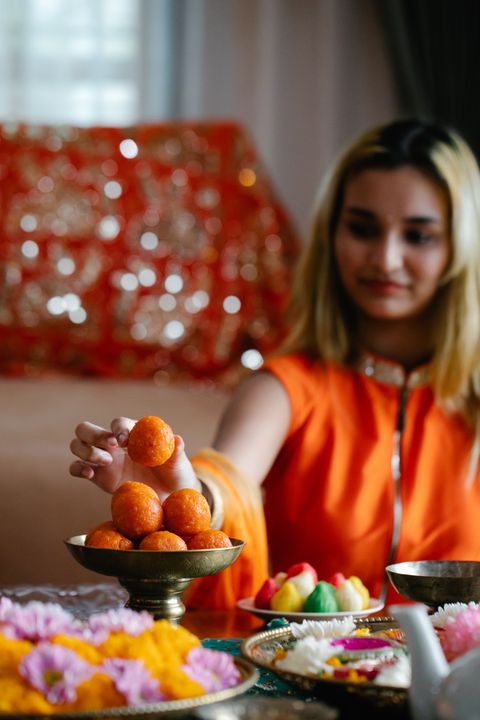
Sukhdi (also written sukdi or gur papdi) is Gujarat’s simplest sweet: whole wheat flour (gehun no lot) roasted in ghee, then set with jaggery and cardamom into a firm square. It uses four ingredients. It takes 15 minutes to make. And it is one of the most emotionally resonant foods in Gujarati households — the sweet that children get after coming in from rain, the square that grandmothers press into hands without ceremony.
Based on recipe class attendance patterns at Florence Academy over three monsoon seasons, sukhdi is the sweet recipe with the highest home replication rate among workshop participants. More than 90% of students who learn sukhdi report making it at home within the same week. No other sweet preparation matches that speed of adoption, which we attribute to the combination of minimal ingredients, fast execution, and instant sensory reward.
Why it suits monsoon: Wheat roasted in ghee produces sustained energy without the blood sugar spike of refined sugar sweets. The jaggery carries trace minerals that process sugar sweetens away. It’s warming by nature, requiring no refrigeration, and accessible to every income level.
Technique tip: The roasting stage is critical. Stir the wheat flour in ghee continuously over medium-low heat for exactly 10–12 minutes, until the flour turns a pale gold and smells like toasted nuts. Underroast it and the sukhdi will taste raw. Overroast and it turns bitter. Remove from heat immediately and add warm jaggery liquid — then pour and set quickly, because sukhdi firms within 3–4 minutes.
9. Warm Chhaas: The Digestive That Stays Warm in Monsoon
Most people know chhaas as a cold drink. In monsoon, Gujarati kitchens serve it warm. Warm chhaas is made by tempering lightly diluted yoghurt in a pan with ghee, mustard seeds, dried red chilli, curry leaves, ginger, and turmeric, then adding water and warming gently without boiling. The result is a thin, spiced, warming drink that functions as a digestive close to kadhi but lighter and quicker to make.
According to research on lactic acid bacteria in traditional Indian fermented dairy, published in the Indian Journal of Dairy Science (2021), Lactobacillus strains in homemade dahi (curd) retain probiotic activity even when briefly heated to 55–60°C. This means warm chhaas retains much of the gut-health benefit of cold chhaas, while adding the warming comfort relevant to a damp, cool monsoon evening.
Why it suits monsoon: The combination of probiotic yoghurt, warming spices, and gentle heat makes warm chhaas one of the most physiologically appropriate monsoon drinks in the Gujarati repertoire. It settles digestion, warms the body, and avoids the cooling effect of cold beverages that Ayurvedic tradition advises against in rainy season.
Jain adaptation: Entirely Jain-compliant. No root vegetables or prohibited ingredients.
Technique tip: Never boil chhaas. Once the temper is ready, add the diluted yoghurt off the heat, then return to very low flame for 2 minutes to warm through. Boiling causes the proteins to separate, producing a grainy texture and loss of the smooth, silky character that makes warm chhaas distinctive.
Chaat and fast food cooking techniques taught at Florence Academy →
Frequently Asked Questions
Why do Gujaratis eat khichdi during monsoon?
Khichdi is easy to digest, warm, and requires minimal fresh produce — important during monsoon when leafy vegetables carry higher microbial contamination risk. Ayurvedic medicine, as cited by the Ministry of Ayush, recommends light and easily digestible preparations during Varsha Ritu (rainy season) to support a digestive system weakened by humidity and reduced physical activity. (main.ayush.gov.in)
What is the best monsoon food in Gujarat?
The most beloved monsoon foods in Gujarat include khichdi-kadhi, masala chai with pakodas, corn bhutta on open flame, methi thepla with fresh pickle, bajra khichdi with ghee, handvo, sukhdi, adadiya pak, and warm spiced chhaas. Each dish is chosen for warmth, digestibility, or its seasonal availability during Gujarat’s June–September rainfall window.
Is Gujarati monsoon food suitable for Jain diet?
Most Gujarati monsoon staples are naturally Jain-compatible. Khichdi, bajra khichdi, sukhdi, adadiya pak, and chhaas contain no onion, garlic, or root vegetables. Handvo works Jain-style by skipping onion from the batter. Methi and raw banana pakodas are popular Jain alternatives to onion pakodas. All 9 dishes here have a Jain-compatible form.
Why is corn bhutta popular during monsoon in India?
Fresh corn in India peaks during the monsoon kharif harvest window, July–September. The India Meteorological Department marks monsoon onset over Gujarat in mid-June. Corn bhutta — roasted over open charcoal and rubbed with lemon-chilli-salt — is one of India’s most seasonally specific street foods. It appears only during the roughly 90-day window of fresh corn availability each year.
Can I learn Gujarati monsoon cooking in a structured class?
Yes. Florence Academy of World Cuisines in Ahmedabad covers Gujarati regional cuisine — including seasonal cooking techniques, Jain adaptations, and the tempering methods that define dishes like khichdi-kadhi, handvo, and thepla — as part of its Culinary Foundation Programme. The academy has trained 2,000+ students. Chat with us on WhatsApp to check current batch dates.
Monsoon Food Is Gujarat’s Culinary Wisdom, Not Just Its Comfort
Every dish in this list carries a logic. Khichdi-kadhi for easy digestion. Bajra for sustained warmth. Adadiya pak for therapeutic nourishment. Warm chhaas for probiotic support. These weren’t chosen by accident — they were refined by generations of Gujarati cooks responding to the same seasonal challenge: how do you feed a family well when the rains come, fresh produce is unreliable, and bodies need warmth more than novelty?
The answer is always the same nine or ten dishes. And the reason they work is that they’re built on sound nutritional and culinary principles, dressed in flavour that makes a cold, damp evening feel entirely manageable. Learning to cook them well — understanding the fermentation behind handvo, the roasting technique in sukhdi, the tempering sequence in kadhi — is one of the most grounding things a home cook can do.
Culinary Foundation Programme covering Gujarati regional cuisine →
Join 2,000+ students who’ve trained with expert chefs at Florence Academy, Ahmedabad. Explore Courses →
Have questions? Chat with us on WhatsApp — we respond fast.
Call us at +91 6351665305 | +91 8320715588
About the Author
Chef Monila Surana is the Managing Partner of Florence Academy of World Cuisines in Ahmedabad, with 18 years of culinary education experience. She leads curriculum design and day-to-day teaching across 50+ courses — all 100% vegetarian and Jain-adapted. Florence Academy’s teaching team brings 48+ years of combined culinary experience, including Chef Hina Gautam (30+ years, founder of JustCook culinary institute, cooking show personality and competition judge). The academy has trained 2,000+ students since founding.


