
There’s a reason food writers from across India make their way to Ahmedabad. The city doesn’t apologise for being almost entirely vegetarian. It doesn’t offer non-vegetarian food as a reluctant concession to outsiders. It simply doesn’t need to. Ahmedabad’s food scene is one of the most internally complete, technically sophisticated, and culturally dense vegetarian food ecosystems in the world, built over two millennia of Jain philosophy, merchant tradition, and daily street food practice.
According to the National Family Health Survey (NFHS-5, 2019-21), approximately 61% of women and 50% of men in Gujarat never consume non-vegetarian food. The national average is 23% and 15% respectively. That gap isn’t a coincidence. It’s a civilisational choice that has, over centuries, produced a cuisine with more internal variety, more flavour complexity, and more street food culture than most non-vegetarian cities in India can claim.
Gujarat’s vegetarian food heritage →
This guide covers Ahmedabad’s best food destinations, its most iconic dishes, and the cultural and philosophical story behind why this city eats the way it does.
Key Takeaways
– Gujarat is India’s most vegetarian state: ~61% of women and ~50% of men never eat meat, vs. a national average of 23% and 15% (NFHS-5, 2019-21)
– Ahmedabad’s street food circuit runs 24 hours, anchored by Manek Chowk, Law Garden Night Market, and CG Road
– The Gujarati thali is a complete nutrition system, engineered around the Ayurvedic six-taste principle
– Jain influence has made no-onion, no-garlic cooking a mainstream expectation, not a niche request, across Ahmedabad restaurants
– India’s plant-based food market is valued at USD 1.62 billion and growing at 10-11.5% CAGR (IMARC Group, 2024)
Why Is Ahmedabad India’s Vegetarian Food Capital?
Gujarat’s vegetarian dominance is documented and significant. The NFHS-5 survey from 2019-21, cited by The Print, places Gujarat among the top three most vegetarian states in India by every demographic measure. Over 50% of men and 61% of women report never consuming meat, a rate more than double the national average. This produces a food culture where vegetarian cooking isn’t constrained: it’s the default.
Two philosophical traditions built this culture. The Jain principle of ahimsa (non-harm), which found its deepest institutional root in western India, prohibits not just meat but root vegetables whose harvest kills the plant. The Vaishnava Pushti Marga tradition, established in Gujarat from the 15th century, added a second pillar: devotional cooking centred on freshness, purity, and sattvic ingredients. When these two traditions ran through the same merchant communities for centuries, the result was a cuisine that replaced the shortcuts of garlic and onion with asafoetida, cumin, and mustard seed, and replaced simplicity with a form of flavour engineering that chefs study professionally today.
The decisive moment came in the 12th century. King Kumarapala of the Chaulukya dynasty, converted to Jainism by the scholar-monk Hemachandra, issued a royal edict legally prohibiting animal slaughter across his kingdom. A personal religious practice became a regional social norm. Ahmedabad today is the living expression of that 900-year-old policy shift.
Citation Capsule: According to the NFHS-5 (2019-21), approximately 61% of Gujarat women and 50% of Gujarat men never consume non-vegetarian food, compared to national averages of 23% and 15% respectively. India’s plant-based food market reached USD 1.62 billion in 2024 and is projected to hit USD 3.82-4.81 billion by 2033-34 at a 10-11.5% CAGR (IMARC Group, India Vegan Food Market Report, 2024). Gujarat’s food culture sits at the structural centre of this national shift.
What Are Ahmedabad’s Must-Visit Food Destinations?
Ahmedabad’s food geography is organised around a handful of destinations that locals visit on a near-daily basis. These aren’t tourist spots. They’re functional parts of how the city eats.
Manek Chowk: The City’s 24-Hour Food Hub
Manek Chowk is the most densely documented street food location in Gujarat. During the day, it operates as a jewellery market in the heart of the old city. After 9 PM, it transforms into one of India’s largest open-air food courts: dozens of stalls stretching across the square, serving everything from Gujarati thali and pav bhaji to handvo, khichu, and ice cream sandwiches. The square runs until 2-3 AM on most nights. It draws students, office workers, and families simultaneously, which tells you something about the food: it’s priced for everyone, familiar enough to comfort, and varied enough to bring groups with different tastes.
The pav bhaji at Manek Chowk has a specific character worth noting. Ahmedabad’s version is thicker and spicier than the Mumbai original, buttered more generously, and often served with extra pav loaded with butter on a flat iron tawa until the bread develops a slight crisp. It’s a dish that’s become genuinely local in a city that adopted it completely.
At Florence Academy, we ask culinary students to visit Manek Chowk as part of observational learning in our Culinary Foundation Programme. Without exception, students who do this assignment return with a sharpened understanding of what “consistency at volume” means in professional cooking. Stalls producing 200 plates of pav bhaji per hour with identical taste and presentation are doing something operationally sophisticated, regardless of the setting.
Law Garden Night Market: Gujarati Street Food in Its Natural Habitat
Law Garden runs every evening from approximately 7 PM onward and is among the best places in Ahmedabad to eat classic Gujarati street food in a relaxed environment. The stalls here concentrate on sev puri, bhel puri, dahi puri, panipuri, and corn-based snacks. The sev puri specifically, topped with fine sev, raw mango, chutneys, and pomegranate, illustrates something important about Gujarati street food: the layering of textures and tastes in a single bite is not accidental. It’s the six-taste shadrasa principle playing out in a ₹40 snack.
Law Garden also serves as one of the best open-air shopping and eating combinations in the city. The proximity of textile stalls and food vendors creates an atmosphere that’s genuinely distinctive to Ahmedabad, not replicated anywhere else in Gujarat.
CG Road and Navrangpura: Where Modern Ahmedabad Eats
CG Road (Chimanlal Girdharlal Road) and the surrounding Navrangpura neighbourhood represent Ahmedabad’s contemporary vegetarian dining scene. You’ll find established Gujarati thali restaurants alongside cafés, chaat outlets, and fast food operators. The food here skews slightly more formal and slightly more expensive than Manek Chowk, but the vegetarian commitment is identical.
The thali restaurants on and around CG Road are where the formal Gujarati thali is best experienced by visitors. These aren’t simplified tourist versions. They’re full service, unlimited-serving meals that cycle through kadhi, dal, subzi, roti, rice, khichdi, papad, pickle, and dessert across 15-20 dishes at a price point that rarely exceeds ₹300 per person.
What Are the Iconic Dishes You Must Try in Ahmedabad?
Every city has a short list of dishes that define its food identity. Ahmedabad’s list is longer than most, and almost every item on it is vegetarian by design, not by default.
Fafda-Jalebi: Ahmedabad’s Sunday Morning Ritual
Fafda-jalebi is not just a breakfast combination. It’s a social event. On Sunday mornings across Ahmedabad, queues form outside fafda shops from as early as 7 AM. Fafda, a fried chickpea flour (besan) snack with a crisp, layered texture and mild spice, is eaten with fresh jalebi (hot, syrup-soaked spiral sweets), green papaya chutney, and fried green chillies. The combination of savoury, sweet, sour, and heat in a single plate is a precise expression of the shadrasa balance that defines the city’s food philosophy.
The fafda-jalebi combination is an underappreciated case study in flavour pairing. Most food cultures separate sweet and savoury at breakfast. Gujarati food integrated them centuries ago. What looks like an indulgent street food snack is, in nutritional terms, a high-protein (besan), moderate-glycaemic breakfast with probiotic potential from the tamarind in the chutney. The pairing is more nutritionally considered than it appears.
Dhokla: The Dish That Defined Gujarati Food Internationally
Dhokla is the most internationally recognised Gujarati dish, and also the most frequently misrepresented. The dhokla sold outside Gujarat is often a spongy, yellow-dyed, slightly sweet cake. Authentic Gujarati dhokla, made from fermented rice and chickpea batter, has a lighter texture, a sharper tang from the fermentation, and is tempered with mustard seeds, curry leaves, and green chillies that deliver a clean, layered flavour the shortcut versions never achieve.
The fermentation process matters. A properly fermented dhokla batter (minimum 8-12 hours) develops lactic acid bacteria that break down anti-nutrients in the chickpea flour, making the final dish easier to digest and nutritionally more bioavailable. This isn’t culinary trivia: it’s why traditional Gujarati fermented foods have attracted attention from nutritionists studying gut health in plant-based diets.
Handvo: The Vegetable-Packed Savoury Cake
Handvo is one of the most technically demanding everyday Gujarati snacks, and one of the least known outside the state. It’s a dense, baked savoury cake made from a fermented batter of rice, lentils, and gourds (bottle gourd is traditional), tempered with sesame seeds and mustard in oil on the outside crust. The interior is soft and moist; the exterior develops a crunchy, seeded crust during cooking.
What makes handvo technically interesting is the Jain-adapted version, which substitutes bottle gourd for higher-water-content vegetables and eliminates any potential root vegetables from the additions. It’s a dish that demonstrates how Jain cooking restrictions have produced, over time, multiple parallel recipes for the same dish, each technically valid.
Undhiyu: Gujarat’s Winter Masterpiece
Undhiyu is the single dish most serious cooks associate with Gujarati cuisine. It’s a slow-cooked mixed vegetable dish made during the winter months, traditionally with seasonal vegetables including surti papdi (flat beans), purple yam, raw banana, sweet potato, and muthia (spiced fenugreek dumplings). The dish was historically cooked upside-down (undhu in Gujarati) in clay pots buried in the ground over slow-burning wood fires.
The Jain version of undhiyu omits root vegetables and adapts around above-ground seasonal produce. Both versions are technically demanding: the timing of adding each vegetable (they all have different cooking times and textures) requires experience and knowledge of the ingredients. We’ve found at Florence Academy that undhiyu is one of the benchmark dishes in evaluating culinary competence in Gujarati cooking. Getting it right requires real understanding of the cuisine’s logic.

How Does the Gujarati Thali Work as a Complete Meal System?
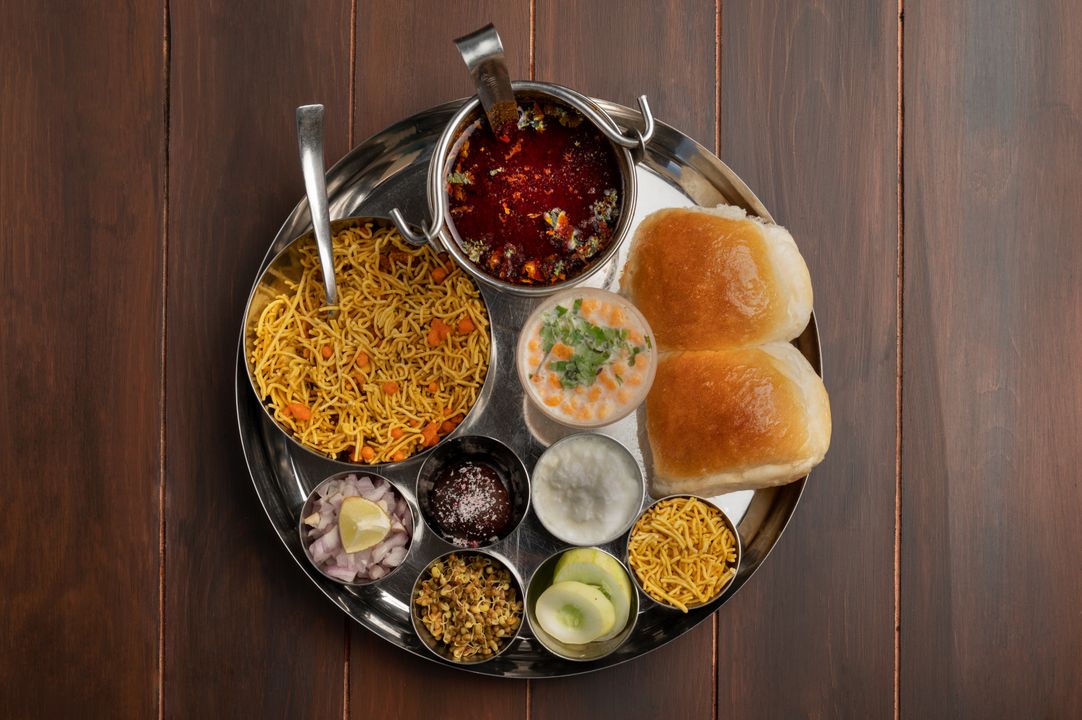
The Gujarati thali is one of the most nutritionally complete single-meal formats in Indian culinary history. India’s plant-based food market was valued at USD 1.62 billion in 2024 (IMARC Group, 2024), and the thali format is the structural anchor of India’s most established plant-based cuisine. A proper Gujarati thali isn’t a collection of random dishes. It’s an application of shadrasa, the Ayurvedic principle of six tastes (sweet, salty, sour, pungent, bitter, astringent), engineered into a single meal.
Each element has a function. The sweetness in the dal (Gujarat’s dal is mildly sweetened) balances the sourness of the kadhi (a yoghurt and besan curry). The bitterness comes from methi-based vegetables or bitter gourd preparations. The astringency comes from certain lentil preparations. The pungency from green chillies and ginger. The salt runs through everything as the unifying baseline.
Standard Components of a Full Gujarati Thali
| Component | Description | Function in Thali |
|---|---|---|
| Dal | Sweetened lentil preparation | Sweet-salty balance |
| Kadhi | Yoghurt and besan curry | Sour, probiotic |
| Shaak (2-3 types) | Seasonal vegetable dishes | Bitter, pungent |
| Roti / Thepla | Wheat flatbreads | Neutral, fills the meal |
| Rice / Khichdi | Plain rice or moong-rice combination | Digestive ease |
| Farsan | Fried or steamed snacks (dhokla, chakli) | Texture variety |
| Papad | Crisp lentil wafers | Crunch, astringent |
| Pickle / Chutney | Mango pickle, green chutney | Sour, digestive |
| Dessert (Mithai) | Mohanthal, sheero, or seasonal sweet | Sweet finish, satiety |
The thali’s design also responds to climate. Gujarat’s heat demands easily digestible proteins, which is why lentils and buttermilk (chaas) dominate over heavier dairy. The seasonal rotation of vegetables is a 3,000-year-old adaptive nutrition system.
Citation Capsule: The Gujarati thali applies the Ayurvedic shadrasa principle of six tastes (sweet, salty, sour, pungent, bitter, astringent) within a single structured meal. The global Gujarati thali restaurant market was valued at USD 1.2 billion in 2024, with vegetarian thalis accounting for over 70% of market share (MarketIntelo, 2025). Nutritionally, the thali’s reliance on lentils, fermented foods, and seasonal vegetables aligns closely with modern recommendations for plant-based dietary diversity.
Ready to learn authentic Gujarati cooking from expert chefs? Explore Courses at Florence Academy →
What Role Does Jain Culture Play in Ahmedabad’s Food Scene?
Jainism shapes Ahmedabad’s food in ways that are visible on every restaurant menu in the city. According to the Census of India 2011, Gujarat has the highest concentration of Jain households of any Indian state, representing approximately 1.57% of the state population but exerting a cultural influence far beyond that number (Census of India, 2011). In Ahmedabad specifically, Jain families are heavily represented in the business and merchant communities that have shaped the city’s commercial culture for centuries.
Jain dietary rules prohibit not just meat but root vegetables: no potatoes, no onions, no garlic, no carrots, no beets, no radishes. The reasoning is ahimsa: harvesting root vegetables by pulling up the entire plant kills both the plant and the micro-organisms in the soil disturbed by the harvest. This prohibition has forced centuries of culinary problem-solving.
The results are practical and visible in Ahmedabad restaurants today. Asafoetida (hing) replaces the pungency of onion and garlic with a different, more complex aromatic. Cashew-based sauces replace potato-based thickeners. Above-ground vegetables, including bottle gourd, ridge gourd, cluster beans, and raw banana, take centre stage in dishes where root vegetables might otherwise dominate. The cuisine has become more sophisticated, not simpler, because of the constraint.
In our experience at Florence Academy, students who arrive expecting Jain cooking to be a simplified or stripped-back version of regular Gujarati cooking are consistently surprised. The flavour complexity of a well-made Jain undhiyu or a Jain-adapted kadhi outperforms simplified versions of the same dishes. Constraint-as-creativity is not just a philosophical position. It produces technically better food.
You can learn Jain-adapted cooking as a core module in the Culinary Foundation Programme at Florence Academy, where no-onion, no-garlic techniques are taught as standard professional skills, not optional variations.
Where Should You Go for the Best Street Food in Ahmedabad?
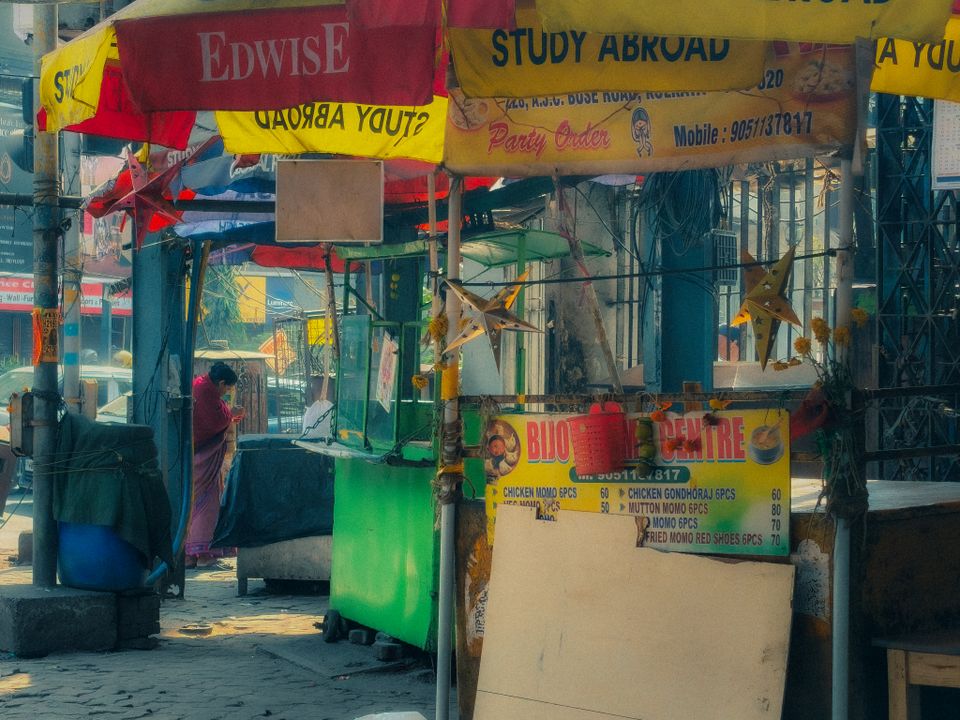
Ahmedabad’s street food circuit is one of the most active in India, open across multiple locations simultaneously, running from sunrise to well past midnight. A study by the Food Safety and Standards Authority of India (FSSAI) identified Gujarat as one of the states with the highest per-capita street food expenditure in western India (FSSAI Street Food Survey, 2022). That figure reflects a city that treats street food as a genuine meal option, not a supplement.
The Morning Circuit: Fafda, Gathiya, and Sev Khamani
Start before 9 AM. The best fafda-jalebi stalls in Ahmedabad include dedicated shops near Lal Darwaja, the Raipur Gate area, and in Maninagar, where queues on Sunday mornings signal quality better than any review. Alongside fafda, the morning circuit runs on gathiya (thicker fried chickpea flour snack), sev khamani (a soft, crumbled dhokla variant with tempering), and fresh khaman with green chutney.
The Afternoon Snack Belt: Chaat and Farsan
Between 3 PM and 7 PM, Ahmedabad’s chaat culture comes alive. Sev puri, dahi puri, bhel puri, and ragda pattice are available at dozens of mobile carts and fixed stalls across Navrangpura, Vastrapur, and the Satellite Road corridor. The sev used in Ahmedabad chaat is a point of local pride: thin, crisp, and made fresh, not from packets. Most chaat stalls will make Jain versions on request (without the raw onion typically used in sev puri), a standard adaptation that requires no special skill from the vendor.
The Night Circuit: Manek Chowk and Jodhpur Gam
After 9 PM, Manek Chowk is the primary destination, as described earlier. But the Jodhpur Gam area near Satellite also runs a busy night food circuit, with stalls serving khichu (steamed rice flour snack with oil and spices), handvo slices, and pav bhaji. The two circuits serve different parts of the city and draw different crowds, but both run on the same principle: cheap, hot, fresh, and entirely vegetarian.
Citation Capsule: Gujarat ranks among the states with the highest per-capita street food expenditure in western India (FSSAI Street Food Survey, 2022). Ahmedabad’s street food circuit operates across three distinct time slots: morning (fafda-jalebi from 6-10 AM), afternoon chaat (3-7 PM), and night food at Manek Chowk and Jodhpur Gam (9 PM to 2 AM). Every mainstream street food item in the city is vegetarian. Jain adaptations are standard practice at most stalls, making Ahmedabad one of the few cities where Jain diners can eat freely across the entire street food circuit without special requests.
Learn professional chaat and fast food techniques →
How Can You Learn to Cook Authentic Gujarati Food Professionally?
Learning to cook Gujarati food well requires more than recipes. It requires understanding the philosophical logic behind the ingredient restrictions, the seasonal structure of the cuisine, and the specific techniques (tempering sequence, fermentation timing, spice ratios) that distinguish authentic Gujarati cooking from approximations. The global cooking classes market reached USD 4 billion in 2025 and is projected to hit USD 10 billion by 2033 at 14% CAGR (Evolve BI, Global Culinary Education Report, 2025), reflecting growing global interest in structured culinary education.
Florence Academy of World Cuisines, Ahmedabad, teaches Gujarati and Jain-adapted vegetarian cooking as part of its core curriculum. The Culinary Foundation Programme (6 months) and the 2-year Diploma in Food and Beverages both include dedicated modules on regional Indian cuisine, Jain cooking techniques, vegetarian menu design, and the flavour science behind Gujarat’s most technically demanding dishes.
With a 2:1 student-to-faculty ratio, hands-on cooking from day one, and placement partners including ITC Hotels and Marriott, Florence Academy trains students to work professionally in Gujarat’s and India’s most demanding culinary environments. Chef Monila Surana (18 years of culinary education experience) and Chef Hina Gautam (30+ years, former cooking show judge and founder of JustCook) lead the curriculum.
Join 2,000+ students who’ve trained with expert chefs at Florence Academy, Ahmedabad.
Ready to learn from expert chefs? Explore Courses at Florence Academy →
Frequently Asked Questions
What is the best street food to try in Ahmedabad?
Start with fafda-jalebi on a Sunday morning, the city’s most iconic breakfast ritual. Then try sev puri and dahi puri at Law Garden in the evening. Finish at Manek Chowk after 9 PM for pav bhaji, khichu, and handvo. Every item is vegetarian. Jain adaptations are available at most major stalls without special arrangements. Budget ₹100-250 for a full evening of eating.
Why is Gujarati food often sweet compared to other Indian cuisines?
Gujarat’s traditional cuisine incorporates small amounts of sugar or jaggery even in savoury dishes like dal and vegetables. This reflects the shadrasa Ayurvedic principle of balancing all six tastes (sweet, salty, sour, pungent, bitter, astringent) in a single meal. The sweetness in dal or kadhi is intentional flavour balance, not a mistake or regional preference. It also has historical roots in trade-community cooking that emphasised accessible, crowd-pleasing flavours.
What is Jain food and how does it differ from regular vegetarian food?
Jain food excludes meat, fish, and eggs (like standard vegetarianism), but also prohibits root vegetables: potatoes, onions, garlic, carrots, beets, radishes, and all underground tubers. The principle is ahimsa: avoiding harm to all living beings, including soil organisms disturbed during root harvest. Jain cooking substitutes asafoetida (hing) for onion and garlic, and uses above-ground vegetables, cashew-based sauces, and specific lentil preparations to achieve full flavour complexity. In Ahmedabad, Jain-adapted menus are standard at most restaurants, not a special request.
What makes the Gujarati thali different from other Indian thalis?
The Gujarati thali is specifically designed around the Ayurvedic six-taste (shadrasa) principle, making it arguably the most deliberately balanced of India’s regional thali traditions. It includes sweetened dal (unusual in most Indian cuisines), kadhi (a yoghurt-based curry) for sourness, fermented farsan for gut health, and seasonal vegetables that rotate to reflect climate needs. A full unlimited Gujarati thali in Ahmedabad typically covers 15-20 components and costs ₹200-350. It represents one of the highest-value complete meals in any Indian city at that price point.
Where is the best place to eat a Gujarati thali in Ahmedabad?
The thali restaurants around CG Road, Navrangpura, and the Ashram Road corridor offer the most consistent full-service Gujarati thalis in the city. Look for restaurants that serve unlimited refills and rotate the vegetable dishes seasonally. These are signs that the kitchen is cooking fresh. The best thali meals in Ahmedabad do not involve menus. A server simply places the thali and refills whatever runs out until you stop eating. This format is the standard, and it’s unchanged for generations.
Can I learn to cook Gujarati food professionally in Ahmedabad?
Yes. Florence Academy of World Cuisines, located in Ahmedabad at Shivalik Shilp 2, Judges Bunglow Road, offers structured culinary programmes that include Gujarati vegetarian and Jain-adapted cooking as core modules. The 6-month Culinary Foundation Programme and the 2-year Diploma in Food and Beverages both cover traditional Gujarati techniques, fermented foods, thali design, and Jain cooking adaptations, with hands-on practice from the first day. Chat with us on WhatsApp to ask about current batches.
Ahmedabad Eats Like Nowhere Else in India
No Indian city has built a food culture this complete, this technically sophisticated, and this consistent from street stall to formal restaurant from a purely vegetarian foundation. The Jain philosophy that shapes the cuisine didn’t simplify it. It forced centuries of innovation that produced fermented foods, layered spice techniques, and flavour-engineering principles that nutritionists and chefs outside Gujarat are only now beginning to study properly.
The best way to experience Ahmedabad’s food is sequentially: Sunday morning fafda-jalebi, afternoon sev puri at Law Garden, dinner at a proper Gujarati thali restaurant, and a late-night round at Manek Chowk. By the end, you’ll understand why the people who grew up eating this food aren’t tempted by anything else.
Explore Gujarat’s full food heritage story →
If you want to cook this food professionally, the techniques behind the dishes covered here are exactly what Florence Academy teaches. Not the tourist version. The real thing.
Have questions? Chat with us on WhatsApp — we respond fast.
Call us at +91 6351665305 | +91 8320715588


