

India’s bakery market hit USD 12.12 billion in 2025 and is on track to reach USD 30.04 billion by 2035 (Expert Market Research, 2025). If you’re in Ahmedabad or anywhere in Gujarat, that growth is very real: new home bakeries, cloud kitchens, and artisan cafés are opening every month. And nearly every person who wants to get into baking runs into the same question — which course format should I actually choose?
A one-day workshop is nothing like a six-month foundation program. A short course and a two-year diploma are worlds apart. Yet most guides treat them as interchangeable. This post breaks all four formats down clearly, so you can pick the right one for where you are and where you want to go.
You can also browse the full course catalogue at Florence Academy to see every programme before reading on.
Key Takeaways
– India’s bakery market is growing at 9.50% CAGR and will reach USD 30.04 billion by 2035 (Expert Market Research, 2025)
– Certified chefs earn 20–40% higher starting salaries than self-taught counterparts (Truffle Nation, 2026; Glassdoor India, 2026)
– Short courses and foundation programs deliver the fastest ROI for home bakery entrepreneurs
– A diploma is the only recognised qualification for hotel and restaurant placements in India
All Four Baking Course Formats at a Glance
Before getting into the details, here’s how all four formats stack up side by side. Duration and cost vary widely, and so do the outcomes.
| Workshop | Short Course (1–4 wks) | Foundation (6 mo) | Diploma (1–2 yrs) | |
|---|---|---|---|---|
| Duration | 1 day | 1–4 weeks | 6 months | 1–2 years |
| Approx. cost | ₹1,500–₹4,000 | ₹15,000–₹60,000 | ₹60,000–₹1.2 lakh | ₹1.5–₹4 lakh |
| Recipes covered | 2–6 | 20–40 | 80–120+ | 350+ |
| Certificate type | Participation | Completion | Completion | Diploma (NSDC/AHLEI) |
| Best for | Curious beginners, hobbyists | Home bakers starting to sell | Serious baking professionals | Hotel, restaurant, or café careers |
| Career outcome | Confidence, one new skill | Home bakery income | Freelance / brand building | Hotel job, executive pastry role |
| At Florence Academy | All Workshops | Whisk & Wonder / Whipped Wonder | Bakery Foundation | Artisanal Bakery & Patisserie / MFBBA / Food & Beverages Diploma |
What Is Your Goal? That’s the Only Question That Matters
In 2025, Truffle Nation found that diploma holders in baking earn a 23% salary premium over untrained bakers in hotel settings (Truffle Nation, 2026). But that premium only applies if hotel work is actually your goal. Pick the wrong format and you’ve spent time and money on a credential that doesn’t serve you. Get this one question right and everything else follows naturally.
Here are the four goal-to-format mappings that cover most students:
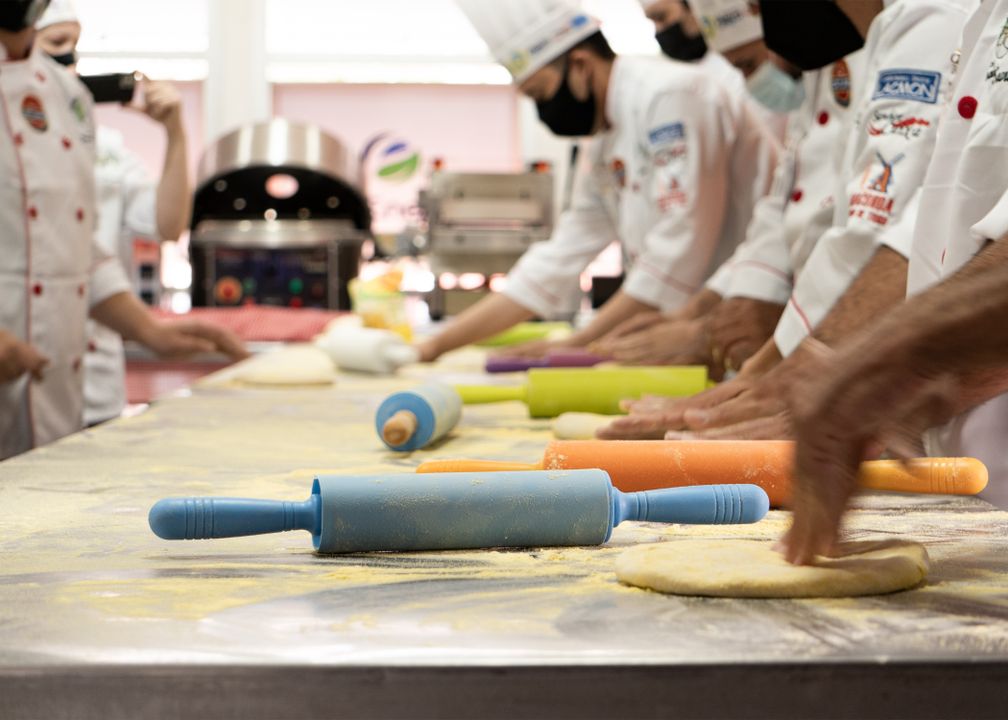
Goal: “I want to explore baking before committing.” Choose a workshop. Spend one day in a professional kitchen, learn one focused skill, and decide whether you want more. Low risk, immediate feedback.
Goal: “I want to start selling from home within 3–6 months.” Choose a short course (1–4 weeks). You’ll learn 20–40 professional techniques, ratios, and product presentation skills enough to build a real menu and price confidently.
Goal: “I want to build a serious baking brand or open a café someday.” Choose a foundation program (6 months). It covers everything a short course does, plus bread science, chocolate work, eggless and Jain-adapted techniques, and the business thinking that separates a baker from a brand.
Goal: “I want to work in a hotel, restaurant, or 5-star property.” Choose a diploma (1–2 years). Hotels don’t hire without a recognised qualification. There’s no shortcut here.
One pattern stands out consistently in enrollment data: students who are clear about their 12-month goal before joining succeed faster, regardless of which format they choose. But there’s a more specific observation worth sharing. Students who enrol in a one-day workshop “just to try” but privately want to build a business almost always re-enrol in a foundation or short course within three months of that first workshop. The workshop didn’t fail them; it confirmed what they already suspected. If that sounds like you, it might be worth skipping straight to the format that matches your actual ambition.
Are One-Day Baking Workshops Worth Your Time?

India has over 100,000 semi-organised bakeries, and the unorganised sector produces 80% of all bakery products in the country (MOFPI / The India Watch, 2022). Most of the bakers running those operations learned through informal, hands-on exposure rather than multi-year degree programs. A structured one-day workshop is, for many people, the cleanest entry point into that world.
What a workshop actually gives you
One focused skill — and that’s deliberate, not a limitation. In a single session, you’ll work through a complete recipe, understand the science behind it, and leave with a product you made yourself. You also get time in a real professional kitchen, which matters more than it sounds. Knowing how a properly set-up baking station feels and functions changes how you think about your home setup.
You’ll receive a participation certificate. It won’t get you a hotel job, but it marks a real starting point. More practically, you’ll know within one day whether baking is something you want to pursue seriously.
What Florence Academy runs
Florence Academy workshops in Ahmedabad currently include sessions like the Croissant Workshop, Eggless Macarons Workshop, French Dessert Workshop, and Center Filled Chocolates Workshop. Each is a single focused day, not a sampler of five half-covered topics. The format is designed so you actually finish something.
Who workshops are (and aren’t) for
Workshops work well for curious beginners, experienced home cooks who want to cross into baking, and professionals looking to add one specific technique to their repertoire. They’re also a sensible gift for someone who’s mentioned wanting to learn.
They’re not the right choice if you already know you want to earn from baking. Workshops don’t give you the recipe volume, ratio knowledge, or troubleshooting skills that a selling business needs. If income is the goal, start at the next level.
Citation Capsule: India’s bakery retailing sector is growing at 10.9% CAGR between 2024 and 2030, with the government’s PMFME scheme allocating USD 1.2 billion to support 2,017 bakery units nationally (GlobeNewswire / Research Report, May 2025). This structural growth makes even short-format baking training commercially relevant.
Check the Florence Academy workshop schedule for upcoming session dates in Ahmedabad.
Which Short Baking Course Gets You Selling the Fastest?

In 2025, Cakesify found that trained home bakers in the growing stage, those 6 to 18 months into their business, earn between ₹20,000 and ₹55,000 per month in net profit (Cakesify, 2025). A 4-week short course is the fastest credible path from “I bake for family” to “I bake for income.” It covers enough technique and product range to actually price and sell with confidence.
What you learn in a short course
Across 20–40 professional techniques, a short course covers the things that separate home baking from professional production. You’ll work on ratios, not just recipes, because ratios let you adapt and scale. You’ll learn what goes wrong and why: a sunken sponge, a broken ganache, a mousse that won’t set. And you’ll spend time on product presentation, because how something looks determines what you can charge for it.
Florence Academy’s short course options
Two programs serve this range well. The Whisk & Wonder course (1 week) is the sharper option — a focused week on core baking skills that leaves you with a clear starting menu. The Whipped Wonder course (4 weeks) goes deeper, covering a broader product range and giving you the week-on-week repetition that builds real muscle memory. Both are 100% vegetarian and include Jain-adapted techniques.
Who short courses work for, and who they don’t
Short courses suit people with a real intention to sell. If you’ve already been baking at home, have some idea of what you want to offer, and need structured professional training to get to market, a 1–4 week course covers that ground efficiently. It also suits people doing a career change who want fast practical skills without committing to a multi-month program yet.
It’s not the right fit if you eventually want to work in a hotel or restaurant. Those employers want a recognised diploma, and a short course completion certificate won’t satisfy their HR requirements. It’s also not enough if you’re planning to open a physical café: that requires a broader skill base than a 4-week program can deliver.
Citation Capsule: According to Cakesify’s 2025 analysis of Indian home bakery income data, established home bakers with 18 or more months of business experience earn between ₹55,000 and ₹3 lakh+ per month in net profit. The same report shows beginners (0–6 months) earning ₹8,000–₹20,000/month, confirming that income scales sharply with time and structured skill development (Cakesify, 2025).
Home Baker Monthly Income by Business Stage
India, 2025 · Source: Cakesify.com
| Beginner 0–6 months |
|
₹8,000–₹20,000/mo | ||
| Growing 6–18 months |
|
₹20,000–₹55,000/mo | ||
| Established 18+ months |
|
₹55,000–₹3 Lakh+/mo |
Ready to learn from expert chefs? Explore Courses at Florence Academy →
What Does a 6-Month Baking Foundation Program Actually Teach You?
A structured 6-month foundation program covers 80–120+ recipes across every major baking discipline, and the data on outcomes is notable. In 2026, Truffle Nation found that 68% of home bakery entrepreneurs said structured training directly accelerated their income growth, while diploma holders earned a 23% salary premium over untrained bakers in hotel settings (Truffle Nation, 2026). A 6-month program sits right between a short course and a diploma, covering serious ground without a 2-year commitment.
What the Bakery Foundation Program covers
The Bakery Foundation Program at Florence Academy runs through breads, cakes, pastry, chocolate, and plated desserts. It’s not a sampler: each discipline gets enough time to build genuine fluency. You’ll work through eggless and Jain-adapted versions of most recipes, which is particularly relevant in Gujarat where the majority of customers expect eggless as the default.
The Jain and vegetarian angle — and why it matters here
Florence Academy’s curriculum is 100% vegetarian and Jain-adapted. This isn’t a small footnote. It’s genuinely uncommon. Most professional baking programs treat eggless techniques as a side note or elective. At Florence Academy, they’re built into the core curriculum from day one. If you’re training to sell in Gujarat, Rajasthan, or any market with a large Jain and vegetarian customer base, this is a meaningful practical advantage over graduates of most other programs.
Who this format suits
You’re a good fit for the foundation level if you can’t commit to a full diploma but want more than a short course delivers. This includes aspiring café owners who need broad menu capability, home bakers who want to build a recognisable brand rather than just filling orders, and anyone who wants a clear pathway toward a diploma later without starting over.
Outcomes at this level
Foundation graduates can price at a professional tier, take on freelance catering contracts, and compete with established home bakers in their city on product quality. The credential also carries weight with suppliers and potential investors when you’re ready to scale.
A consistent pattern across Florence Academy’s foundation cohorts: students who complete the 6-month program typically report receiving 20–35 custom cake and dessert orders per month within 6 months of graduation. That’s not a guarantee. It reflects students who actively build an Instagram presence during their course and price correctly from the start, but it suggests the skill-to-market timeline is shorter than most people expect.
Citation Capsule: In 2026, Truffle Nation’s analysis of bakery training outcomes found that 68% of home bakery entrepreneurs credited structured baking training with accelerating their income growth. The same study reported that diploma holders earn 23% more than untrained bakers in hotel and hospitality settings (Truffle Nation, 2026). Foundation programs bridge these two outcomes effectively.
See the full Bakery Foundation Program details including curriculum, duration, and upcoming intake dates.
When Does a Baking Diploma Become the Only Option That Works?
India’s food services sector employed 8.55 million people in 2024 and is projected to reach 10.32 million by 2028 (Business Standard / NRAI, July 2024). That growth means real hiring, but it also means more competition for every open pastry chef position at a hotel or restaurant. And hotels hire exclusively from recognised diploma programs. There’s no workaround: a participation certificate from a workshop won’t get past an ITC Hotels HR team.
Florence Academy diploma options
Three diploma tracks are available at Florence Academy, each with a different scope and duration.
The Diploma in Artisanal Bakery and Patisserie (1 year) covers 350+ recipes across every major baking and pastry discipline. It’s NSDC-recognised (NSDC Skill India, 2025) and built specifically for students who want professional pastry roles. This is the program most students choose when hotel or restaurant placement is the goal.
The MFBBA Course (1 year) offers an alternative pathway for students with specific interests in food business and bakery operations, combining production skills with foundational business knowledge.
The Diploma in Food and Beverages (2 years) is the most comprehensive option. It carries NSDC, AHLEI, and THSC certification — three recognised bodies that carry real weight with top-tier hospitality employers across India and internationally. Learn more about Florence Academy’s certifications and accreditations on the About Us page. If you’re targeting a five-star property or want international flexibility, the 2-year program opens doors the 1-year program doesn’t.
What Florence Academy brings to diploma training
The faculty difference matters at this level. Chef Monila Surana (Managing Partner, 18 years) and Chef Hina Gautam (Food Consultant, 30+ years) bring complementary specialisations — culinary education depth combined with competition-judging and consulting experience — that give students exposure to different professional working styles, which is exactly what a real kitchen demands.
The 2:1 student-faculty ratio is worth noting. It’s not a common number in culinary education, and it means students get actual corrections on actual technique in real time, not general feedback to a room of 20.
Florence Academy’s placement partners include ITC Hotels, Marriott, and Patang Restaurant. These aren’t aspirational names on a brochure: they reflect actual hiring relationships built over years of consistent graduate quality.
Citation Capsule: In 2026, Truffle Nation and Glassdoor data showed that certified pastry chefs in India earn 20–40% higher starting salaries than self-taught counterparts. Entry-level roles start at ₹12,000–₹18,000/month; mid-level (3–5 years) reaches ₹35,000–₹60,000/month; executive chefs with 10+ years earn ₹1.2–₹2.5 lakh/month (Truffle Nation, 2026).
Pastry Chef Monthly Salary by Experience Level
India, 2026 · Source: Truffle Nation / Glassdoor
| Entry 0–2 years |
|
₹12K–₹18K/mo | ||
| Junior 1–3 years |
|
₹20K–₹35K/mo | ||
| Mid-Level 3–5 years |
|
₹35K–₹60K/mo | ||
| Senior 5–10 years |
|
₹60K–₹1.2L/mo | ||
| Executive 10+ years |
|
₹1.2L–₹2.5L/mo |
View the Diploma in Artisanal Bakery and Patisserie programme details and current intake schedule.
Which Format Wins for Your Situation?
Your goal determines your format, and your timeline determines which program within that format makes sense. Don’t pick a course because it sounds impressive or because someone else chose it. Pick it because it solves the specific problem you’re trying to solve in the next 12 months.
| Your situation | Best format | Florence Academy option |
|---|---|---|
| Never baked professionally | Workshop | Florence Workshops |
| Home baker, want to start selling | Short Course (4 wk) | Whipped Wonder |
| Serious about professional baking | Foundation (6 mo) | Bakery Foundation |
| Hotel or restaurant career | Diploma (1–2 yr) | Artisanal Bakery & Patisserie |
| Opening a café | Foundation + Café Menu | Bakery Foundation + Café Menu Course |
The students who progress fastest at Florence Academy aren’t necessarily the ones with prior baking experience. They’re the ones who chose their format based on a real 12-month goal rather than a vague interest in baking. A student who joins the foundation program knowing they want to start a custom cake business by month 8 will consistently outperform a more technically experienced student who enrolled without a clear direction. Clarity of intent is a better predictor of outcome than prior skill.
View all current baking courses and upcoming intake dates at Florence Academy.
Frequently Asked Questions
Which baking course is best for beginners in Ahmedabad?
For absolute beginners in Ahmedabad, a one-day workshop is the right starting point. It lets you try a professional kitchen without a large commitment. If you already know you want to sell baked goods within 6 months, start with a short course. Trained home bakers at the growth stage earn ₹20,000–₹55,000/month (Cakesify, 2025).
Browse the Florence Academy workshop schedule for beginner-friendly baking sessions in Ahmedabad.
How much does a baking course cost in India?
Baking courses in India range from ₹1,500–₹4,000 for a one-day workshop to ₹1.5–₹4 lakh for a 1–2 year diploma. Short courses (1–4 weeks) typically fall between ₹15,000 and ₹60,000. In 2026, Truffle Nation found that certified bakers earn 20–40% higher starting salaries than self-taught counterparts, making the cost easier to benchmark against real returns.
Can I start a home bakery business after a 4-week course?
Yes, and many do. A structured 4-week program gives you the recipe range, ratio knowledge, and product presentation skills needed to build a sellable menu. You can start a home bakery with as little as ₹8,000–₹15,000 in equipment if you own an oven (Restroworks / ClearTax / FSSAI, 2026). FSSAI Basic Registration for home bakers costs just ₹100/year for turnover under ₹12 lakh.
Are Florence Academy’s diploma programs recognised for hotel placement?
Yes. The Diploma in Artisanal Bakery and Patisserie is NSDC-recognised, and the 2-year Diploma in Food and Beverages carries NSDC, AHLEI, and THSC certification. Florence Academy has active placement relationships with ITC Hotels, Marriott, and Patang Restaurant. India’s food services sector is projected to employ 10.32 million people by 2028 (Business Standard / NRAI, 2024), making placement demand real and growing.
See the full Diploma in Artisanal Bakery and Patisserie details including placement partners and NSDC recognition.
Does Florence Academy offer Jain or eggless baking courses?
All Florence Academy programs are 100% vegetarian, and Jain-adapted techniques are built into the core curriculum across short courses, the foundation program, and diploma tracks. Eggless versions of cakes, pastry, and bread recipes aren’t offered as a separate module: they’re part of every relevant session. This is notably rare in professional culinary training in India and particularly practical for bakers working in Gujarat’s market.
The Right Baking Course Starts With Your 12-Month Goal
The decision isn’t complicated once you know your goal. Want to explore? Start with a workshop. Ready to sell? A short course covers what you need. Building something serious over the long term? The foundation program is your base. And if you want a hotel or restaurant career, only a diploma gets you through the door.
India’s bakery sector is growing faster than most industries right now, and trained bakers with recognised credentials are in real demand. The window to build something in this space is open. It won’t stay this wide forever.
Join 2,000+ students who’ve trained with expert chefs at Florence Academy, Ahmedabad. The right course is the one that matches what you actually want to do with your next 12 months.
Explore Courses at Florence Academy →
Chat with us on WhatsApp — we respond fast.
Phone: +91 6351665305 | +91 8320715588
About the Authors
Written by the faculty team at Florence Academy of World Cuisines. Chef Monila Surana (Managing Partner, 18 years of culinary education experience) leads curriculum design and all student-facing programs. Chef Hina Gautam (Food Consultant, 30+ years; founder of JustCook culinary institute; cooking show personality and competition judge) brings international competition and consulting experience to every programme. Combined: 48+ years of professional culinary education. Learn more about our faculty →


