
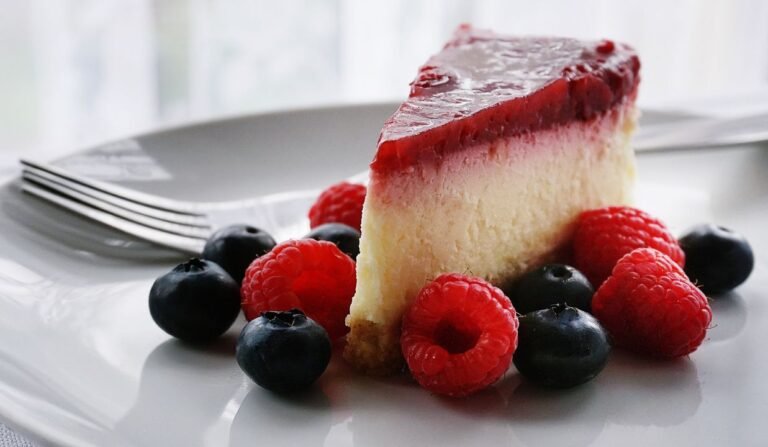
Sharad Navratri 2026 begins September 22 and runs for nine nights, ending September 30. It’s one of the most widely observed festivals in India, with an estimated 100 million or more people observing some form of fasting across all nine days. For many, that fasting is not just a spiritual practice. It’s also a genuine culinary challenge: follow a set of ingredient restrictions that rules out most everyday staples, and still eat well, eat enough, and maintain energy through a full working day.
This guide covers everything you need. Which foods are permitted. Which are not. Where the nutritional pitfalls are and how to avoid them. And 10 complete Navratri fasting recipes drawn from across India’s regional fasting traditions.
Gujarat’s vegetarian food heritage →
Key Takeaways
– Sharad Navratri 2026 runs September 22 to September 30 (9 nights).
– Permitted grains include sabudana, rajgira, kuttu, singhara, and sama ke chawal. Regular wheat and rice are not allowed.
– Sabudana is 88g carbohydrate per 100g with near-zero protein (USDA FoodData Central). Pairing it with paneer, curd, or makhana at every meal is essential for nutritional balance.
– Rajgira (amaranth flour) is the most nutritionally complete Navratri grain: 14g protein per 100g, with a full amino acid profile.
– All 10 recipes below are strictly vegetarian, no onion, no garlic, and use sendha namak throughout.
When Is Navratri 2026 and What Are the Fasting Rules?
Sharad Navratri 2026 begins September 22 and ends September 30, with Vijayadashami (Dussehra) falling on October 1. According to Drik Panchang, the festival starts at the Pratipada tithi, so the precise start time varies by city. Navratri fasting is observed by an estimated 100 million people across India, making it one of the largest dietary observances anywhere in the world.
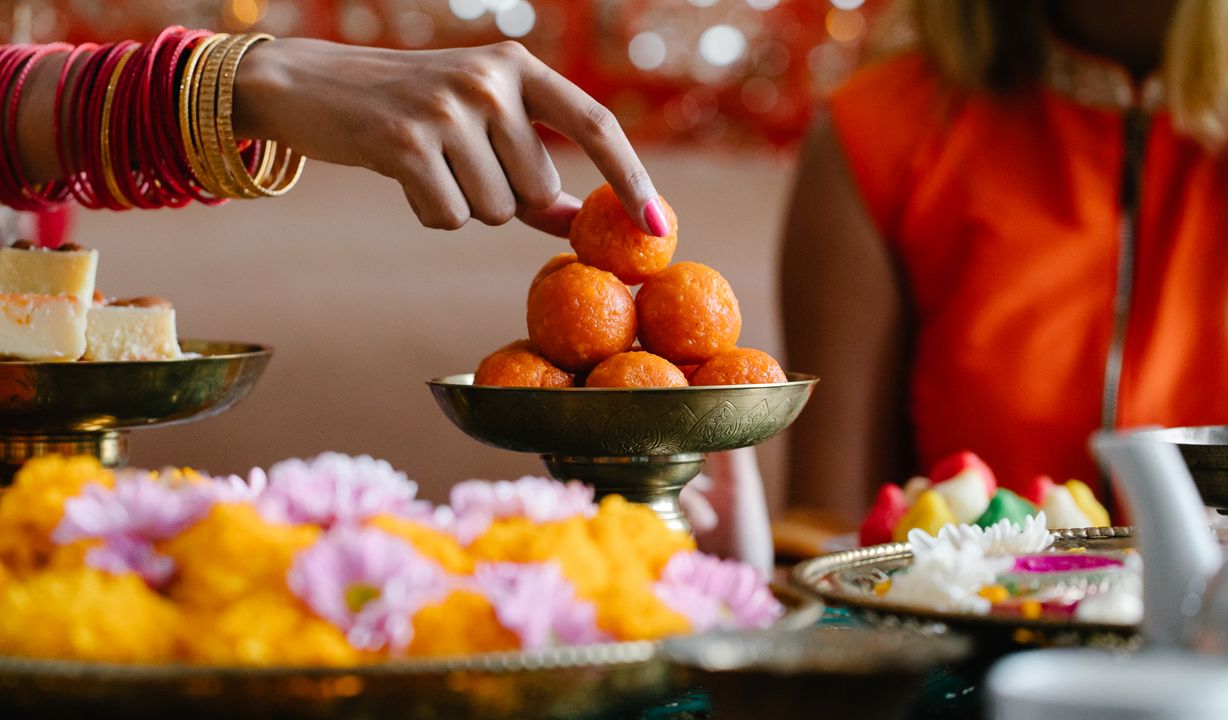
The rules vary by regional tradition, but most communities agree on the core permitted and restricted categories. Here’s a practical breakdown.
What You Can Eat During Navratri Fasting
Permitted grains and starches: Sabudana (tapioca pearls), sama ke chawal (barnyard millet), rajgira atta (amaranth flour), singhara atta (water chestnut flour), kuttu atta (buckwheat flour), and makhana (foxnuts).
Permitted vegetables: All vegetables except root vegetables in most traditions. Potato is widely accepted. Cucumber, tomato, pumpkin, raw banana, and leafy greens (excluding some regional exceptions) are all fine.
Permitted dairy: Milk, curd, paneer, ghee, cream. Dairy is not just permitted. It’s the primary protein source for most Navratri observers, so use it generously.
Permitted seasonings: Sendha namak (rock salt only), cumin (jeera), green chilli, fresh coriander, black pepper, ginger, cardamom, cinnamon, cloves.
All fruits: Permitted and encouraged, particularly for maintaining hydration and electrolytes.
What You Cannot Eat During Navratri Fasting
Not permitted: Regular wheat flour (atta and maida), white rice, all lentils and legumes (dal, rajma, chana), onion, garlic, table salt (iodised salt), most processed foods, meat, eggs.
Regional variations worth knowing: Some Jain families avoid all root vegetables including potato. Some communities also restrict certain leafy greens. When in doubt, follow your family’s tradition or consult with a community elder.
Jain cooking without root vegetables →
What Are the Most Nutritious Navratri Fasting Foods?
The nutritional profile of Navratri fasting ingredients varies dramatically, and most people don’t realise this until they hit an energy slump around day three. Rajgira (amaranth) delivers 14g protein per 100g with a complete amino acid profile, making it the most nutritionally dense grain in the Navratri pantry (USDA FoodData Central, 2024). Understanding what each ingredient contributes helps you build meals that actually sustain you.
The Key Navratri Ingredients and What They Provide
Sabudana (tapioca pearls) provides 88g of carbohydrate per 100g and almost zero protein (USDA FoodData Central). It’s pure, fast-releasing energy. Good for a quick breakfast or a pre-exercise snack. Not good as the base of three meals a day unless you’re pairing it with protein sources every single time.
Rajgira (amaranth) is the standout. At 14g protein per 100g with high calcium, iron, and a complete amino acid profile, it’s genuinely one of the more nutritious grains available. Most people use it only for rotis, but it works in halwa, laddoos, and even as a coating for shallow-fried preparations.
Makhana (foxnuts) gives you 10g protein per 100g, plus magnesium and calcium. They’re also light, easy to digest, and work well as a snack between meals. Roasted makhana with sendha namak keeps well for two or three days in an airtight container.
Kuttu (buckwheat) provides 13g protein per 100g and is rich in manganese and copper. Despite the name, it’s not wheat. It’s completely gluten-free. It makes dense, satisfying rotis and an excellent pakora batter.
Paneer delivers 18-20g protein per 100g. For most Navratri observers who aren’t eating lentils or meat, paneer is the single most important food for meeting daily protein needs. Use it at least once per day.
At Florence Academy’s annual Navratri cooking workshops, run every year for 12 consecutive years, students track their Navratri food intake as part of the curriculum. The consistent finding: the average Navratri day runs at roughly 70% carbohydrates and only 8-12% protein. The ICMR-NIN recommended dietary allowance for protein is 15-20% of total calories. The fix is not complicated. Add one paneer-based preparation to every meal and the numbers shift into the recommended range.
The Most Common Navratri Nutritional Mistake
Most people over-rely on sabudana khichdi and kuttu pakora, which are both high-carb and high-fat. The result is energy spikes followed by crashes, and hunger returning faster than expected. The correction: add curd and makhana to breakfast, a paneer preparation to lunch, and a rajgira or kuttu roti at dinner. That simple adjustment distributes nutrients much more evenly across the day.
Traditional Gujarati fasting recipes →
What Are the 10 Best Navratri Fasting Recipes?
All 10 recipes below are strictly vegetarian, use no onion, no garlic, and use sendha namak throughout. They cover breakfast, lunch, dinner, and snacks, and draw from multiple regional traditions.
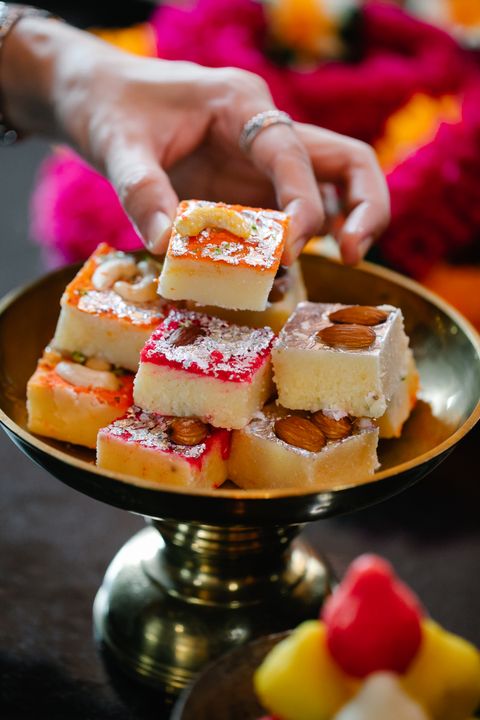
: Chef Monila Surana, who has taught full-day kitchen workshops throughout Navratri for 18 years, notes that the meal combination which holds up best through long standing hours is samak rice pulao with dahi aloo at lunch (complete in 20 minutes) and makhana curry with rajgira roti at dinner. It provides enough complex carbohydrate and protein to maintain focus through six or seven hours of kitchen work, without the heaviness of a deep-fried meal.
Recipe 1: Sabudana Khichdi
Soak 200g sabudana 4-6 hours until soft, then drain completely and separate the grains. Heat ghee in a heavy pan, add jeera until it splutters, then add crushed peanuts, soaked sabudana, sendha namak, green chilli, and chopped potato (optional). Cook on medium heat for 5-7 minutes, stirring gently, until grains turn translucent and non-sticky. The single most important technique: sabudana must be bone-dry before it hits the pan. Any remaining water makes it gummy and dense.
Recipe 2: Rajgira Roti (Amaranth Flatbread)
Mix 200g rajgira atta with sendha namak and enough warm water to form a soft, slightly sticky dough. Amaranth has no gluten, so the dough is far more delicate than wheat. Roll between two sheets of parchment paper rather than dusting with flour. Cook on a dry tawa for 2-3 minutes per side over medium heat, pressing lightly with a folded cloth. Pairs well with paneer sabzi or a bowl of curd.
Recipe 3: Kuttu Pakora
Make a thick batter with 150g kuttu atta, sendha namak, green chilli, fresh coriander, and cold water. The batter should coat a spoon thickly. Dip sliced potato or paneer cubes in the batter and deep fry in hot oil until golden. This is the most popular Navratri street food across North India. When paired with a bowl of curd, it works as a complete meal rather than just a snack.
Recipe 4: Makhana Curry
Pan-roast 100g makhana in a dry pan until crisp and lightly golden. In a separate pan, make a sauce with blended tomato, whisked curd, fresh cream, sendha namak, jeera, and coriander. No onion. No garlic. Add the roasted makhana, cover, and simmer for 10 minutes until the sauce thickens and the makhana softens slightly. Serve with samak rice or rajgira roti. This is one of the more protein-rich Navratri main dishes.
Recipe 5: Samak Rice Pulao
Rinse sama ke chawal (barnyard millet) thoroughly. Heat ghee in a heavy pot, add jeera and curry leaves, then add the rinsed millet, cashews, raisins, and sendha namak. Add water in a 1:2 ratio (millet to water). Cover and cook on low heat for 15 minutes. The millet absorbs everything cleanly and cooks faster than regular rice. Light, easy to digest, and filling enough for a main meal.
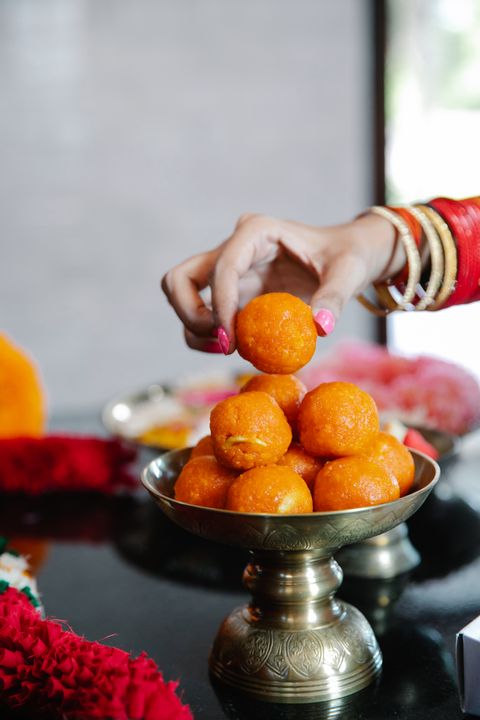
Recipe 6: Paneer Tikka (Navratri Version)
Cut paneer into 4cm cubes. Marinate in thick whisked curd, sendha namak, red chilli powder, coriander powder, and a spoon of ghee. No onion. No garlic. Let it marinate for at least 30 minutes. Cook on a hot tawa, grill, or in a tandoor until charred at the edges. This is the highest-protein option in the entire Navratri recipe list. Serve with sliced cucumber and a wedge of lemon.
Recipe 7: Dahi Aloo (No Garlic)
Boil potatoes until just tender, peel and cut into rough chunks. Whisk curd with sendha namak, jeera powder, green chilli, and fresh coriander. Toss the warm potatoes through the curd mixture. This is assembled cold, with no cooking after the potatoes are ready. It takes 15 minutes if you have pre-boiled potatoes. It’s cooling, refreshing, and genuinely good, especially on the warmer days of September when the fast feels demanding.
Recipe 8: Navratri Thalipeeth
Combine rajgira atta, grated raw potato, sendha namak, green chilli, and jeera in a bowl. Mix with enough water to form a soft, slightly sticky dough. Take a ball of dough, place it on a lightly oiled tawa, and flatten it directly with wet fingers into a round about 8mm thick. Cook on medium heat with ghee on both sides until golden and cooked through. A complete Maharashtrian Navratri meal in itself.
Recipe 9: Singhara Atte Ka Halwa
Roast 100g singhara atta (water chestnut flour) in 4 tablespoons ghee over low heat, stirring constantly, for 5-7 minutes until the flour turns lightly golden and smells nutty. Add 400ml warm milk and 5 tablespoons sugar, stirring vigorously to prevent lumps. Cook over medium heat until the mixture pulls away from the sides of the pan. Add cardamom. Set in 15 minutes. Naturally gluten-free and grain-free, it works as both a dessert and a quick-energy snack.
Recipe 10: Fruit Chaat (Navratri Fasting Snack)
Chop seasonal fruits: mango, banana, apple, pomegranate seeds, and green grapes. Toss with sendha namak, roasted jeera powder, and a squeeze of fresh lemon juice. This is the simplest preparation in this entire list. It’s also, arguably, the most important one. During nine days of fasting, maintaining hydration and electrolytes matters. Fruit chaat, eaten mid-morning or in the afternoon, keeps both in check without requiring any cooking at all.
: Navratri fasting cuisine is one of the most creatively constrained culinary traditions in India. No regular grains, no legumes, no onion, no garlic, no table salt. That constraint has produced an entire distinct culinary language: kuttu, rajgira, sama, singhara, sabudana. These are not substitute ingredients cobbled together to fill a gap. They’re a food tradition that’s at least 2,000 years old and produces genuinely delicious results when cooked with proper technique. The mistake most home cooks make is treating Navratri fasting as a period of culinary deprivation. It isn’t. It’s a completely different cuisine with its own rules, its own techniques, and its own flavours.
Janmashtami eggless prasad recipes →
How Do You Plan a Full Day of Navratri Fasting Meals?
Meal planning is the single most effective way to maintain energy and nutritional balance through all nine days of Navratri. Without a plan, most people default to whatever is fastest, which usually means heavy reliance on sabudana and fried foods. A structured day distributes carbohydrates, protein, and fruit more evenly, which prevents the afternoon energy slump that many observers report around day four or five.
Here’s a practical full-day meal plan that works for adults with a full working schedule.
- 7:00–8:00 am — Breakfast — Rajgira or kuttu cheela with fresh fruit + warm water with lemon
- 10:00–11:00 am — Mid-Morning — Roasted makhana or sabudana khichdi (small portion)
- 12:00–1:00 pm — Lunch — Sama rice pulao with paneer curry or dahi + singhara atta roti
- 3:00–4:00 pm — Afternoon Snack — Fresh fruit chaat or yoghurt with honey
- 7:00–8:00 pm — Dinner — Kuttu ki puri + potato-paneer dry sabji + warm milk with cardamom
Source: Florence Academy Navratri workshop curriculum
Full-Day Navratri Meal Plan
Breakfast (7-8am): Sabudana khichdi + a bowl of curd + one piece of fruit. The curd adds protein to offset sabudana’s carbohydrate load.
Mid-morning (10-11am): A small bowl of plain roasted makhana + one banana. Quick to eat, provides steady energy.
Lunch (12-1pm): Samak rice pulao + dahi aloo + fruit chaat. This combination takes 20 minutes to prepare if potatoes are pre-boiled. It’s complete, light, and easy to digest.
Afternoon (3-4pm): Singhara atte ka halwa (small portion) or a glass of warm milk with cardamom. Prevents the late-afternoon energy drop.
Dinner (7-8pm): Makhana curry + rajgira roti. This is the highest-protein meal of the day. The makhana curry delivers consistent protein and the rajgira roti adds complex carbohydrate.
Throughout the day: Coconut water, fresh fruit juices, plain milk, and water. Fasting reduces your food intake, and hydration becomes more important, not less.
Ready to learn from expert chefs? Explore Courses at Florence Academy
Frequently Asked Questions
When is Navratri 2026?
Sharad Navratri 2026 begins September 22 and ends September 30 (Navami). Vijayadashami (Dussehra) follows on October 1. There are four Navratri periods each year. The most widely observed is Sharad Navratri in September-October. Chaitra Navratri in spring (March-April) is also observed by many communities. Check Drik Panchang for the precise start time based on the Pratipada tithi in your city.
Traditional Gujarati fasting recipes →
Is potato allowed during Navratri fasting?
In most Hindu Navratri fasting traditions, potato is permitted. It’s a root vegetable but is widely accepted across most regions and communities. The exception: Jain families observing strict practices avoid all root vegetables including potato. If following a Jain interpretation of Navratri fasting, substitute potato with raw banana, arbi (taro root), or simply increase the paneer and makhana in your meals.
What is sendha namak and why is regular salt not used during Navratri?
Sendha namak is rock salt or Himalayan pink salt. It’s unprocessed and non-iodised, which places it in the sattvic (pure) category of Ayurvedic and Hindu ritual food classification. Regular table salt is iodised through an industrial process, which takes it outside the permitted ingredients for most Navratri fasting traditions. Sendha namak tastes slightly milder and less sharp than iodised salt. Use it in the same quantities as you would regular salt.
Can you eat sabudana every day of Navratri?
You can, but nutritionists and the ICMR-NIN dietary guidelines would suggest you should not make it your primary food source. Sabudana is 88g carbohydrate per 100g with near-zero protein. Eating it at every meal without protein pairing causes energy spikes and crashes and leaves you short of your daily protein requirement. Vary your Navratri meals: sabudana for breakfast, rajgira or kuttu at lunch, samak or makhana-based dishes at dinner.
Navratri 2026: What to Take Away from This Guide
Nine nights of fasting doesn’t have to mean nine nights of nutritional compromise. The Navratri pantry is genuinely rich: rajgira, kuttu, sama, singhara, sabudana, makhana, paneer, curd, ghee, and all the fruits and permitted vegetables you can eat. The constraint is real, but it’s manageable when you understand what each ingredient contributes and how to combine them.
The three things that make the biggest difference: pairing sabudana with protein at every meal, using rajgira and kuttu as your main grain sources at lunch and dinner rather than relying on fried snacks, and keeping fruit and makhana within reach for snacking.
The 10 recipes in this guide cover every meal of the day. Start with sabudana khichdi and rajgira roti if you’re new to Navratri cooking. Add makhana curry and paneer tikka as you get more comfortable. And remember that this isn’t substitute cuisine. It’s its own tradition, with its own techniques, and it rewards cooks who treat it that way.
Have questions? Chat with us on WhatsApp – we respond fast.
Chef Monila Surana has 18 years of culinary teaching experience at Florence Academy of World Cuisines, Ahmedabad. The academy runs a fully vegetarian and Jain-friendly curriculum and has trained 2,000+ students.


