

Gujarat’s Navratri is unlike any other festival in India. For nine nights every September, 40+ crore Hindus across the country observe the festival (Ministry of Culture, Government of India), and Gujarat’s celebration sits at the centre of it all. Since 2023, the Garba of Gujarat has held UNESCO Intangible Cultural Heritage status — one of the few regional traditions in India to receive that recognition (UNESCO ICH, 2023).
The dancing is what most people know. But what actually makes Navratri remarkable from a culinary perspective is the food. The rules are strict: no grains, no onion, no garlic, no meat, no processed salt. What’s left is a cuisine of remarkable depth — fasting food that has fed nine nights of intense physical activity for generations.
Navratri 2026 begins 22 September. That gives you ten weeks to practise these 10 essential dishes before garba season arrives.
By Chef Monila Surana, Managing Partner and Lead Culinary Educator, Florence Academy of World Cuisines, Ahmedabad — 18 years of professional culinary education.
Gujarat’s Jain food culture and vegetarian traditions →
Key Takeaways
– Navratri 2026 starts 22 September — Gujarat’s garba tradition is UNESCO-recognised (inscribed 2023)
– Navratri fasting prohibits all grains, onion, garlic, and processed salt; permitted ingredients include sabudana, rajgira, kuttu, singhara, makhana, and sendha namak
– Rajgira (amaranth flour) contains approximately 14g protein per 100g — the highest of the four main fasting flours (ICMR-NIN)
– Fasting food in Gujarat was designed to sustain 9 nights of dancing, not restrict the body
– Practise these 10 recipes now so execution is confident and automatic when the festival arrives
What Are the Navratri Fasting Rules in Gujarat?
Navratri fasting is observed by tens of millions of people across India, but Gujarat’s version is shaped by both Hindu and Jain influences that make it distinct. The core prohibition covers all grains: wheat, rice, corn, jowar, bajra, and regular dal are all excluded. Onion and garlic are also prohibited — aligning Navratri fasting closely with Jain dietary principles that are deeply embedded in Gujarat’s food culture.
Jain root vegetable substitutes in the professional kitchen →
The concept behind this approach is called phalhari fasting — fasting that nourishes rather than starves. The permitted ingredient list is generous enough to build satisfying, flavourful meals. It includes:
- Sabudana (tapioca pearls): the most versatile Navratri ingredient
- Singhara atta (water chestnut flour): earthy and dense, used for puris and halwa
- Rajgira atta (amaranth flour): the most nutritionally complete fasting flour
- Kuttu atta (buckwheat flour): nutty in flavour, excellent with ghee
- Sendha namak (rock salt only): processed table salt is prohibited
- Makhana (foxnuts / lotus seeds): roasted or simmered in milk
- Fruits, milk, paneer, dry fruits, sweet potato: permitted by most families
- Potato: permitted by many (but not all) Gujarati families
The sendha namak rule matters more than most people realise. Every recipe in this list uses sendha namak. Keep a separate container in your kitchen now, and start cooking with it before the festival, so the slightly milder flavour is familiar when it counts.
Citation Capsule: Gujarat’s Navratri garba tradition was inscribed on UNESCO’s Representative List of Intangible Cultural Heritage of Humanity in December 2023 (UNESCO ICH, 2023). The festival is observed by 40+ crore Hindus across India (Ministry of Culture, Government of India), with Gujarat’s nine-night celebration recognised as one of the world’s largest annual folk dance events. Fasting during Navratri follows the phalhari principle — eating foods that sustain energy, not merely restrict intake.
Which Ingredients Replace Grains During Navratri?
The four main fasting flours each behave differently in the kitchen. Learning their individual properties now saves a lot of wasted batches during the festival itself.
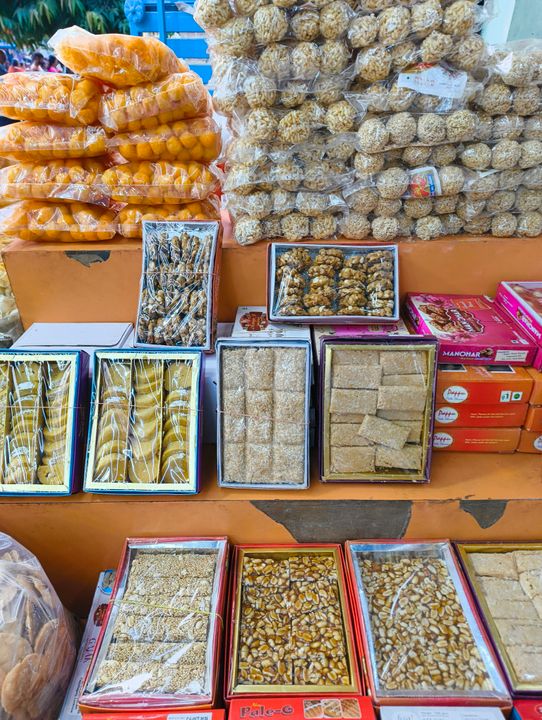
Sabudana (Tapioca Pearls)
Sabudana is tapioca starch pressed into small pearls. It soaks up water quickly and cooks fast — both strengths and potential problems. Soak for 4-6 hours minimum, then drain completely in a colander for at least 30 minutes before cooking. If the pearls retain moisture when they hit a hot pan, they clump together into an unworkable mass. Dry pearls separate into individual beads, coating evenly with ghee and peanuts. Sabudana is primarily carbohydrate (roughly 88g per 100g), which makes it an excellent quick-energy source for garba dancers.
Singhara Atta (Water Chestnut Flour)
Singhara atta has a distinctive earthy, slightly sweet flavour. It produces dense, slightly sticky doughs — ideal for puris that hold their shape in hot oil, and for halwa where a cohesive texture is needed. It doesn’t work well as a roti flour: too dense to roll thin and too heavy once cooked. Use it where the recipe specifically calls for it.
Rajgira Atta (Amaranth Flour)
Rajgira is the nutritional standout. According to ICMR-NIN (National Institute of Nutrition), amaranth contains approximately 14g protein per 100g — the highest protein content of the four major fasting flours. It’s also high in calcium and iron, making rajgira laddoos and rotis genuinely nutritious rather than just permitted. The flour has a mild, slightly grassy flavour and takes well to jaggery and cardamom.
Kuttu Atta (Buckwheat Flour)
Buckwheat has a bold, nutty flavour that pairs well with ghee and sendha namak. It’s gluten-free and absorbs fat readily. Kuttu puris puff up well in hot oil and have a more complex taste than singhara. The flour can turn bitter if overcooked, so watch timing carefully.
Citation Capsule: Rajgira (amaranth) contains approximately 14g protein per 100g of flour, according to nutritional data published by the Indian Council of Medical Research – National Institute of Nutrition (ICMR-NIN). This makes it the highest-protein fasting flour used during Navratri — higher than sabudana (roughly 0.2g/100g), singhara atta (approximately 3.5g/100g), and kuttu atta (approximately 9g/100g). For people fasting across 9 days with significant physical activity, rajgira-based preparations offer genuine nutritional support.
10 Navratri Recipes to Practise Before the Festival
Most people treat Navratri fasting food as a compromise. The nutritional reality tells a different story. Rajgira delivers 14g protein per 100g (ICMR-NIN). Makhana is rich in calcium, phosphorus, and kaempferol — a flavonoid with anti-inflammatory properties. Sabudana provides fast-release carbohydrates ideal for sustained physical activity. Gujarat’s fasting cuisine wasn’t designed to restrict the body. It was designed to sustain 9 nights of dancing. The technique, not the ingredients, is what separates good Navratri cooking from great Navratri cooking. These 10 recipes cover the full range.
1. Sabudana Khichdi
The most iconic Navratri dish in Gujarat. Soak tapioca pearls for 6 hours, then drain completely in a colander for 30+ minutes. Cook in a heavy-bottomed pan: heat ghee, add cumin seeds and let them splutter, add chopped green chilli, then the drained pearls. Toss constantly on medium flame. Add crushed roasted peanuts and sendha namak. Cook until pearls turn translucent and stop sticking together.
The key technique: pearls must be completely dry before hitting hot ghee. Any surface moisture causes clumping. The peanuts should be roughly crushed, not powdered — they provide texture and protein that the pearls lack.
Chef Monila grew up eating sabudana khichdi at 6am before early-morning garba in Ahmedabad. Her family used a peanut ratio nobody else did: two full cups of crushed roasted peanuts for every one cup of soaked sabudana, cooked in generous ghee with extra green chilli. The result was more substantial and more flavourful than the standard recipe. She has made this the teaching ratio at Florence Academy. Students who try it the first time almost always ask why their home version tasted so flat — the answer is usually too little peanut and too little ghee.
2. Kuttu ki Puri
Knead kuttu atta with mashed potato (if your family permits it), sendha namak, and a little water to a firm dough. Do not over-knead — kuttu dough toughens quickly. Roll between two sheets of plastic film, not on a dry surface, because the dough will crack and stick to bare marble. Roll to medium thickness. Deep fry in ghee or peanut oil in batches — the puris should puff up immediately if the oil is hot enough (test with a small piece first). Drain on absorbent paper and serve immediately.
3. Rajgira Roti
Mix rajgira atta with warm water and a small amount of ghee. Rest the dough for 10 minutes before rolling. Roll to approximately 5mm thickness — any thinner and the roti cracks along the edges as you transfer it. Cook on medium flame on a flat tawa. Press gently with a folded cloth as it cooks; do not press hard. Apply ghee on both sides while warm. Rajgira roti does not puff like wheat roti, but it should be soft and pliable when eaten fresh. It hardens quickly as it cools, so serve immediately.
4. Sabudana Vada
Drain soaked sabudana very dry — even drier than for khichdi, because the patties go into oil rather than a pan. Mix with boiled mashed potato, crushed roasted peanuts, finely chopped green chilli, fresh coriander, and sendha namak. Shape into small flat patties. Do not add water. Deep fry in hot oil on medium-high flame until golden and crisp on both sides.
The safety note: wet sabudana in hot oil splatters aggressively. If your vadas are splattering, the pearls were not dry enough. Drain longer next time. This is the most common technique failure in Navratri cooking.
5. Singhara Halwa
Roast singhara atta in ghee on low-medium flame, stirring continuously, for approximately 8 minutes until the flour turns a slightly darker colour and smells nutty — the same technique as besan halwa. In a separate pan, heat water and dissolve sugar to make a light syrup. Add the warm syrup to the roasted flour gradually, stirring constantly to prevent lumps. Cook until the mixture pulls away from the pan sides. Add cardamom and a pinch of saffron. Serve warm.
6. Makhana Kheer
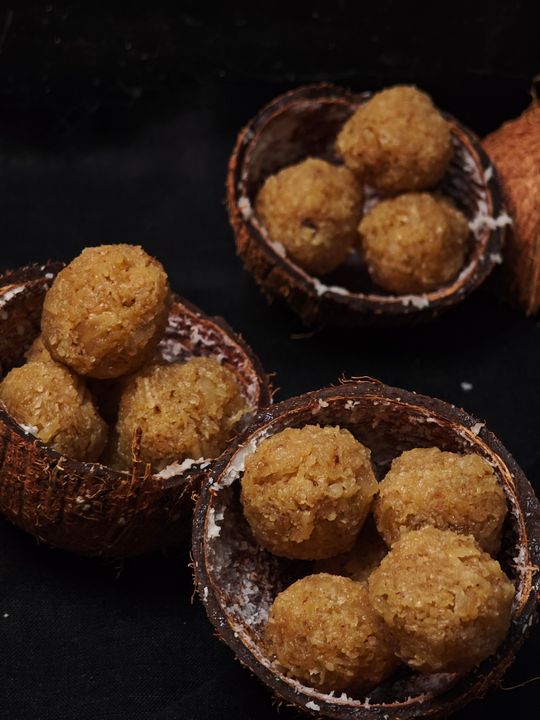
Makhana (foxnuts / lotus seeds) are the quintessential Navratri ingredient — light, crunchy, and nutritionally dense. Dry roast makhana in a teaspoon of ghee in a wide pan until they turn crisp and slightly golden (about 5-6 minutes). Allow to cool slightly, then roughly break them into halves. Simmer full-fat milk in a heavy-bottomed pot, add the broken makhana, and cook on low flame for 20 minutes until the milk reduces and the makhana softens. Add sugar, cardamom powder, and a few saffron strands soaked in warm milk. Stir well and serve warm or at room temperature.
7. Khamang Kakdi (Cucumber Raita)
This simple preparation works as both a side dish and a palate cleanser during a multi-dish Navratri meal. Peel and finely dice cucumber. Mix with roasted crushed peanuts, sendha namak, finely chopped green chilli, and fresh coriander leaves. For a non-strict version, add fresh curd and a pinch of sugar. For a strict vrat version, skip the curd entirely. The acid from the cucumber and the crunch of the peanuts carry the dish without any additional dressing.
8. Aloo Jeera (Navratri Style)
Simple but unforgiving. Use good-quality waxy potatoes (they hold their shape better than floury varieties). Boil, peel, and cube them evenly so they cook uniformly. Heat generous ghee in a pan, add cumin seeds, and let them splutter for 30 seconds. Add the potato cubes, sendha namak, and finely chopped green chilli. Toss to coat. Cook on medium heat until the potatoes develop a light crust on the outside. Finish with fresh coriander. The flavour depends entirely on the quality of the ghee and the freshness of the cumin — this is not a dish where shortcuts work.
9. Fruit Chaat
Seasonal fruits, cut on the day of serving. Combine whatever is available in September: pomegranate seeds, banana, apple, papaya, and grapes all work well together. Toss with sendha namak, dry-roasted cumin powder, and fresh lemon juice. The lemon acid brightens the natural sweetness of the fruit and prevents browning. Do not prepare this more than 2 hours ahead — the fruit releases water and the chaat becomes watery. Cut and dress at the last moment for best texture.
10. Rajgira Laddoo
Dry roast rajgira atta in ghee on low flame until fragrant, stirring constantly (approximately 10-12 minutes). In a separate pan, heat jaggery with a small amount of water to make a soft-ball syrup. Mix the warm roasted flour into the jaggery syrup along with ghee and cardamom powder. Stir rapidly. While the mixture is still warm (not hot), roll into round laddoos with greased palms. If the mixture doesn’t bind, add a little more ghee and try again. If it’s too soft to shape, let it cool for another minute. Work quickly: once the mixture cools completely, it becomes too stiff to roll.
Culinary Foundation Programme covering Indian regional cooking techniques →
Ready to learn from expert chefs? Explore Courses at Florence Academy →
Why Navratri Fasting Food Is More Nutritious Than It Looks
The common assumption is that fasting food means nutritionally thin food. For Navratri in Gujarat, this is simply not accurate. The four permitted flours and key fasting ingredients deliver a surprisingly complete nutritional profile when used together.
Rajgira provides 14g of protein per 100g and is one of the few plant foods containing all essential amino acids (ICMR-NIN). Makhana is high in calcium, phosphorus, and magnesium — useful for anyone engaging in intense physical activity across nine nights. Sabudana’s fast-digesting carbohydrates make it genuinely suited to pre-garba eating, providing quick energy without heaviness.
Sendha namak, while lower in iodine than table salt, contains trace minerals including potassium and magnesium. Its use during fasting has both a spiritual rationale (it is unprocessed and considered sattvic) and a practical one: its mild flavour means fasting food requires less salt overall to taste balanced.
The cuisine is also almost entirely grain-free and naturally gluten-free. In a modern dietary context, this is not incidental. Gujarat’s Navratri fasting cuisine predates the concept of gluten-free eating by centuries, but the nutritional logic is consistent: the four main fasting flours digest more easily and at different rates than wheat, producing a more stable energy pattern across a full day of fasting and dancing.
Citation Capsule: According to ICMR-NIN nutritional data, rajgira (amaranth) flour contains approximately 14g protein per 100g and is considered a complete protein source — containing all essential amino acids. Sabudana (tapioca) provides approximately 88g carbohydrates per 100g with near-zero fibre, making it a rapid energy source well-suited to physical activity. Together, these two staple Navratri ingredients support both sustained energy and protein intake during nine days of fasting and garba dancing.
Frequently Asked Questions
When is Navratri 2026?
Navratri 2026 begins on 22 September and runs for nine nights, ending on 30 September. Dussehra falls on 2 October 2026. In Gujarat, this is the most celebrated period of the year. Garba performances run every night, and fasting food is prepared fresh daily across the nine-day period by most observing families.
Can you eat rice during Navratri fasting?
Traditional Navratri fasting prohibits regular rice (chawal). Some families permit sama rice, also called barnyard millet or vrat ke chawal. This is a grain-like seed, not classified as a cereal under standard Hindu fasting rules. Sabudana (tapioca) is the most common rice substitute across Gujarat, providing comparable starch and rapid energy without breaking the fast.
What is sendha namak and why is it used during Navratri?
Sendha namak is rock salt (halite) — unprocessed, unrefined salt from underground mineral deposits. It’s used during Navratri because standard table salt is iodised and industrially processed, which most Hindu fasting traditions classify as prohibited. Sendha namak is considered sattvic (spiritually pure). Its flavour is slightly milder than table salt. Always cook with it during practice so your seasoning instincts are calibrated before the festival.
What is the difference between Navratri fasting in Gujarat vs North India?
Gujarat’s Navratri is festival-oriented above all else: garba and dandiya dancing dominate, and fasting food is specifically designed to sustain nine nights of physical activity. North Indian Navratri fasting tends to be stricter — some families eat only one meal per day. Both traditions exclude grains and onion-garlic. Gujarat’s repertoire leans heavily on sabudana preparations and farsaan-style snacks. North India uses more kuttu and makhana as the central ingredients. Learn more about Gujarat’s unique food culture →
Start Practising Now — Not in September
Ten weeks is the right amount of time to get these recipes right. Sabudana khichdi looks simple but takes 2-3 attempts to get the pearl texture correct. Rajgira roti cracks if rolled too thin and toughens if overworked. Singhara halwa requires continuous stirring and timing that only comes with practice.
The best Navratri cooking comes from cooks who have made these dishes so many times that the techniques are automatic. The festival shouldn’t be your first attempt at kuttu ki puri. Make it in July. Make it again in August. By the time September arrives, you’ll be cooking with confidence.
Gujarat’s Navratri food tradition has sustained generations of families through nine days of devotion and dancing. These 10 recipes are the foundation of that tradition. They deserve to be cooked well.
Have questions? Chat with us on WhatsApp — we respond fast.


