
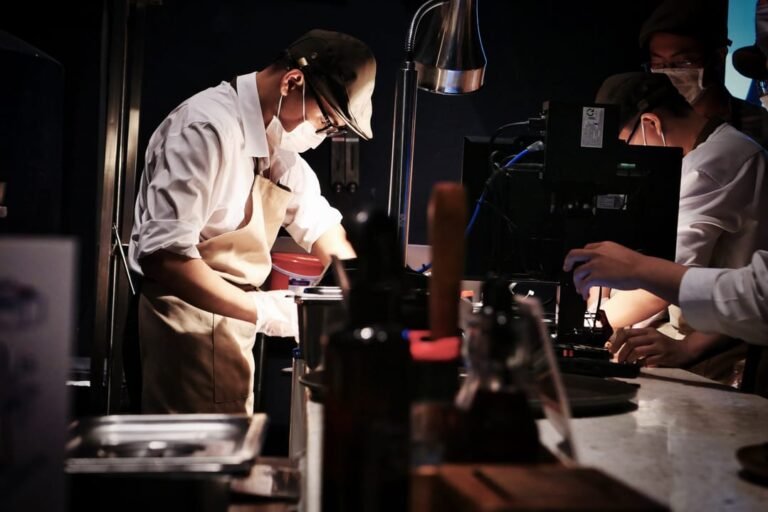
Ahmedabad’s Ganesh Chaturthi celebrations this year begin on September 14, 2026, opening ten days of Ganeshotsav that end with idol immersion on September 25. Across Gujarat, the festival is marked at home altars as much as in public pandals, and at the centre of nearly every one of them sits the same Ganesh Chaturthi modak, made the same way it has been for centuries.
Key Takeaways
– Ganesh Chaturthi 2026 runs September 14 to 25, ending with Anant Chaturdashi immersion.
– Sculptures show Ganesha with modak as early as the 6th century CE (art historian Saili Palande Datar, via Down To Earth).
– Modak’s coconut-jaggery filling needs no adaptation for a Jain or strict vegetarian table.
– Gujarat balances household worship with public events, unlike Maharashtra’s large-scale pandal spectacle.
What Is Ganesh Chaturthi Modak, and Why Is It Ganesha’s Favourite Sweet?
Ganesha is called Modakapriya in Sanskrit: the one who loves modak. That’s not a modern nickname. Sculptures depicting Ganesha with what appears to be modak date back to at least the 6th century CE, according to art historian Saili Palande Datar. The artwork at the Ellora caves, carved between 600 and 1000 CE, shows the same association (Down To Earth, 2024).
The core recipe hasn’t changed much in that time. A rice-flour dough wraps a filling of fresh coconut and jaggery, traditionally made with a local sticky rice variety on Maharashtra’s coast. Datar describes the steaming method itself as old, not a recent refinement layered onto an ancient sweet.
Modak isn’t the only festival sweet built around this kind of steamed, no-egg simplicity. Florence Academy’s Janmashtami prasad recipes cover a similar family of traditional offerings, made the same way for generations rather than adapted for modern kitchens.
What Makes Ukadiche Modak Different From Other Indian Sweets?
The technique, not the ingredients. Most Indian sweets are fried, boiled in syrup, or set with milk solids. Ukadiche modak, the original steamed version, is neither.
The rice-flour dough is scalded, kneaded while hot, then hand-shaped into a pleated shell around the coconut-jaggery filling before steaming (Wikipedia, retrieved 2026-09-08). That hand-pleating step is a genuine skill, closer to dumpling-folding than to anything in Western pastry.
A fried version exists too, made with a wheat-based dough instead of rice flour, which trades the delicate pleated shell for a sturdier, longer-lasting sweet. Both are legitimate modak. They’re just built for different purposes: ukadiche for the day of worship, fried for keeping a few days longer.
Our finding: In Florence Academy’s kitchens, this technique breaks into four teachable stages, and Chef Monila Surana notes that first-time students almost always stumble at the third one, the pleating, not the cooking.
- Scald the flour. Stir rice flour into boiling water with a little ghee and salt, then cover it to steam through rather than simply mixing it with cold water.
- Knead while hot. Knead the dough immediately, while it’s still too hot to handle comfortably with bare hands, since it turns stiff and cracks once it cools.
- Pleat the shell. Flatten a small ball into a disc and pleat it around the edge by hand, the step that separates a clean modak from a lopsided one.
- Fill, close, and steam. The filling goes in the centre, the pleats gather and seal at the top, and the shaped modak steams for roughly 10 minutes until translucent.
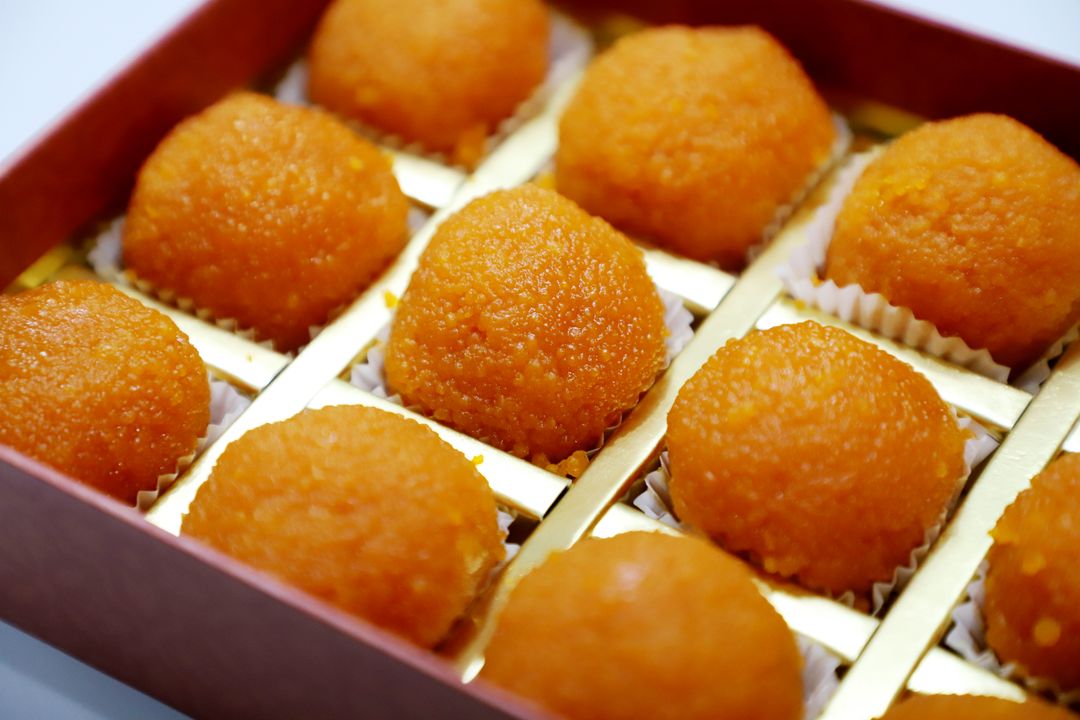
Modak Goes by a Different Name in Nearly Every Region
The sweet travelled with Ganesha worship across India, and its name changed at every border it crossed. What stayed constant was the coconut-jaggery filling at the centre.
| Region | Local name | Language |
|---|---|---|
| Maharashtra | Modak | Marathi |
| Konkan coast | Nevri | Konkani |
| Odisha | Mandaa | Odia |
| Karnataka | Kadubu | Kannada |
| Tamil Nadu | Kozhukattai | Tamil |
Gujarat doesn’t have a separate regional name of its own; here, modak is simply modak, brought into the state’s Ganeshotsav celebrations as Maharashtra’s most recognisable festival sweet, alongside Gujarat’s own established mithai traditions.
How Does Gujarat Celebrate Ganesh Chaturthi Differently From Maharashtra?
Less spectacle, more household. Maharashtra, particularly Mumbai and Pune, is famous for massive public pandals: towering idols, elaborate processions, and crowds that turn immersion day into a citywide event. Gujarat’s celebration runs on a different balance.
Gujarat celebrates the festival both privately and publicly, with major public events concentrated in Ahmedabad and Surat. Families prepare modak, fruit, and coconut as home offerings, and grand processions accompany idol immersion on the festival’s final day (The Federal, 2025). Public and household worship sit side by side here, rather than the public spectacle dominating the way it does further south.
That household emphasis shapes the food side of the festival too. Where a Mumbai pandal might serve modak to hundreds of visitors a day, a Gujarati home celebration usually means a smaller batch, made by one or two family members. It’s meant for the household altar and a handful of guests, not a public crowd.
Can You Make Modak Without a Modak Mould?
Yes, and purists would argue you should. Metal and silicone modak moulds are widely sold and genuinely useful for a consistent, quick shape, especially for a first attempt or a large batch. They press the dough into a uniform pleated form in seconds, no hand-shaping skill required.
Hand-pleating takes longer and produces less uniform results at first, but it’s the technique actually being described whenever a recipe calls for “ukadiche modak” in its traditional form. A mould gets you a modak that looks right.
Hand-pleating is what the 6th-century sculptures were actually depicting. Neither is wrong. One is faster, and one is the craft itself.
Ready to learn from expert chefs? Explore Courses at Florence Academy →
Why Are More Gujarati Families Choosing Clay Idols Over Plaster of Paris?
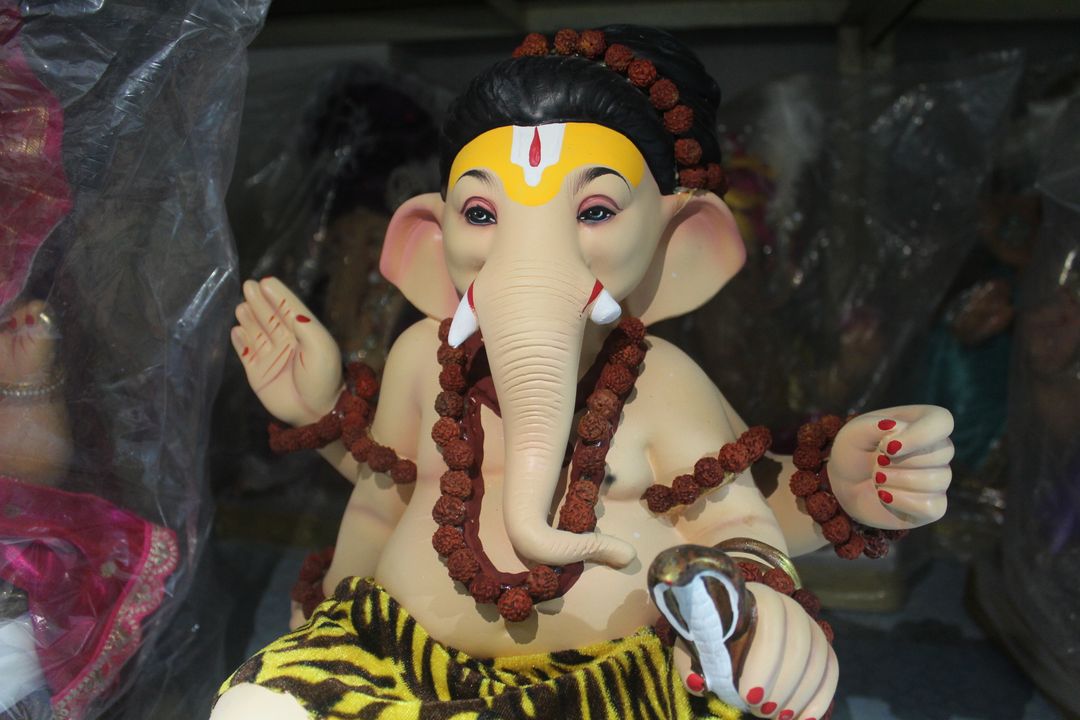
Because the immersion ritual only works if the idol actually dissolves. Traditional clay idols dissolve within about 45 minutes in water, while Plaster of Paris idols can remain intact for months, according to research cited by Down To Earth (Down To Earth, 2024).
The pollution difference is measurable, not theoretical. One study found heavy metal concentrations in Bhopal’s Upper Lake rose by 750% after immersion season. Separate testing in Bengaluru recorded copper levels 200 to 300 times higher in post-immersion sediment (Down To Earth, 2024).
| What to compare | Plaster of Paris | Natural clay |
|---|---|---|
| Time to dissolve | Several months | About 45 minutes |
| Water impact | Heavy metals, synthetic paint residue | Biodegradable, minimal residue |
| Physical risk | Can jam waterworks and intake wells | Breaks down cleanly |
| Paint compatibility | Needs synthetic paint to adhere | Takes natural, water-based dyes well |
Central guidelines have called for a Plaster of Paris ban since 2020. Individual states handle enforcement, though, so household choice still matters more than regulation in most of Gujarat. A clay idol at a home altar is a small, practical way to keep the ritual’s actual purpose, a clean return to the water, intact.
Ganeshotsav also marks the unofficial start of Gujarat’s festival season, which runs straight through to Navratri a few weeks later. The two festivals share more kitchen logic than their food suggests at first glance: both lean on simple, traditional preparations that a home cook already knows, made in volume for a household or a mandal rather than reinvented each year.
Is Modak Already Jain- and Vegetarian-Friendly?
Yes, and without a single substitution. This is unusual among Indian festival sweets. Coconut, jaggery, cardamom, and rice flour: nothing in the traditional filling touches onion, garlic, or a root vegetable, which is exactly the category of ingredient a Jain kitchen has to plan around for most other dishes.
That makes modak one of the rare festival sweets that travels across a genuinely mixed Gujarati table unchanged. It sits comfortably next to the state’s own Jain-adapted vegetarian food traditions without needing the kind of careful ingredient-swapping that dishes built around onion, garlic, or root vegetables usually require.
For a household hosting a genuinely mixed table this Ganeshotsav, that’s worth knowing before the menu gets planned. A savoury Ganeshotsav spread might need real thought about who’s Jain and who isn’t; the modak plate never does.
Frequently Asked Questions
When is Ganesh Chaturthi in 2026?
Ganesh Chaturthi 2026 falls on Monday, September 14, and marks the start of the ten-day Ganeshotsav. The festival concludes with Anant Chaturdashi and idol immersion on September 25, 2026.
Why is modak specifically associated with Ganesha?
Ganesha is called Modakapriya in Sanskrit, meaning one who loves modak. Sculptures depicting Ganesha with what appears to be modak date back to at least the 6th century CE, and artwork at the Ellora caves from 600 to 1000 CE shows the same association.
What is the difference between ukadiche modak and fried modak?
Ukadiche modak is the steamed version, made from a rice-flour dough filled with coconut and jaggery, and is usually served warm with ghee. Fried modak uses a wheat-based dough instead and is deep-fried, giving it a longer shelf life but a different texture entirely.
Is modak naturally suitable for a Jain or strict vegetarian kitchen?
Yes, without any adaptation. The traditional filling of coconut, jaggery, and cardamom involves no onion, garlic, or root vegetables, which makes modak one of the few festival sweets that needs no substitution to fit a Jain or strict vegetarian table.
How is Ganesh Chaturthi in Gujarat different from Maharashtra?
Maharashtra, especially Mumbai and Pune, is known for massive public pandals with towering idols and elaborate processions. Gujarat’s celebration, centred on Ahmedabad and Surat, balances household worship with public events rather than emphasizing large-scale spectacle.
Conclusion
Modak carries more history into a Ganeshotsav table than almost any other festival sweet on the calendar:
- Genuinely ancient: depicted with Ganesha in sculpture since at least the 6th century CE.
- A real technique, not just a recipe: the pleated, hand-shaped shell is a skill in its own right.
- Already Jain- and vegetarian-friendly: no substitution needed for Gujarat’s mixed tables.
- Locally balanced: Gujarat pairs household worship with public celebration, distinct from Maharashtra’s scale.
Whichever region’s name you know it by, Ganesh Chaturthi modak has stayed recognisably itself for well over a thousand years.
About the author: Chef Monila Surana is Managing Partner and lead culinary educator at Florence Academy of World Cuisines, Ahmedabad, with 18 years of experience running professional kitchens and designing culinary curriculum.
Want to build real technique behind traditions like this one? Our Culinary Foundation Program covers Indian regional cooking and hand-shaping techniques with expert chefs in Ahmedabad. Join 2,000+ students who’ve trained with us.
Call us at +91 6351665305 | +91 8320715588
Have questions? Chat with us on WhatsApp — we respond fast.


