

Best Cooking Academy in Ahmedabad: 6 Things to Check Before You Enrol (2026)
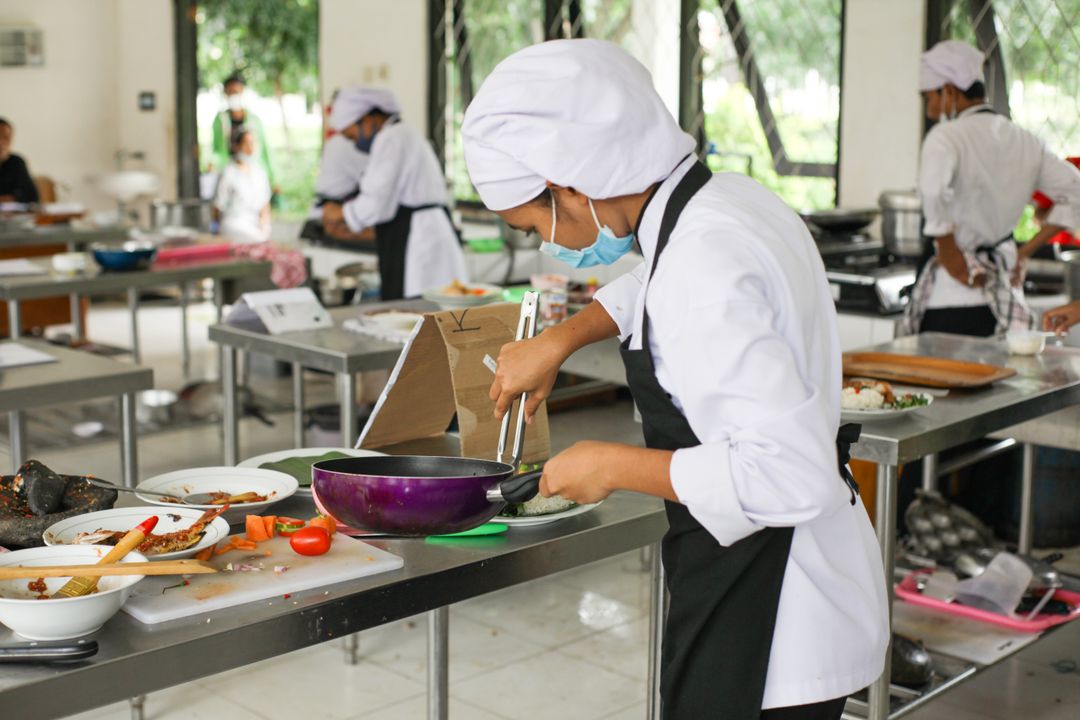
There are over 490 culinary arts colleges and cooking academies across India, and Ahmedabad has several options at different price points, formats, and specialisations. That’s genuinely useful, but it also makes the decision harder than it should be. Which academy actually trains you well? Which one’s accreditation means something? Which one has faculty who’ve worked in real professional kitchens?
This guide covers 6 specific things to evaluate before enrolling in any cooking academy in Ahmedabad in 2026. It works whether you’re comparing three options or trying to decide if Florence Academy is the right fit for you specifically.
Key Takeaways
– India’s food services sector adds 1.77 million jobs by 2028 — 8.1% growth that’s driving demand for accredited culinary training (NRAI via Business Standard, 2024)
– The 6 criteria that separate great cooking academies from average ones: accreditation, faculty depth, hands-on ratio, student-faculty ratio, placement record, and curriculum specialisation
– Florence Academy holds NSDC, AHLEI, and THSC accreditation on its 2-year diploma, with a 2:1 student-faculty ratio and active placement ties to ITC Hotels and Marriott
– 100% vegetarian and Jain-adapted curriculum, genuinely uncommon among professional culinary institutes in India
What Should You Actually Look for in a Cooking Academy in Ahmedabad?
India’s food services sector is projected to employ 10.32 million workers by 2028, up from 8.55 million in 2024 — an 8.1% growth rate that has brought more culinary institutes into the market to meet rising demand (National Restaurant Association of India, via Business Standard, July 2024). More academies means more variation in quality — not all of it obvious from a website or brochure.
Six criteria consistently separate academies that produce job-ready graduates from those that don’t:
1. Accreditation from recognised bodies. Not all certificates carry the same weight with employers. NSDC (National Skill Development Corporation), AHLEI (American Hotel and Lodging Educational Institute), and THSC (Tourism and Hospitality Skill Council) are the three credentials that top Indian hospitality employers actually look for on a graduate’s transcript.
2. Faculty with genuine professional kitchen experience. Instructors who’ve cooked in hotel kitchens, managed kitchen brigades, or run professional culinary operations teach fundamentally differently from instructors who haven’t. The gap shows in how technique is corrected and how pressure is handled.
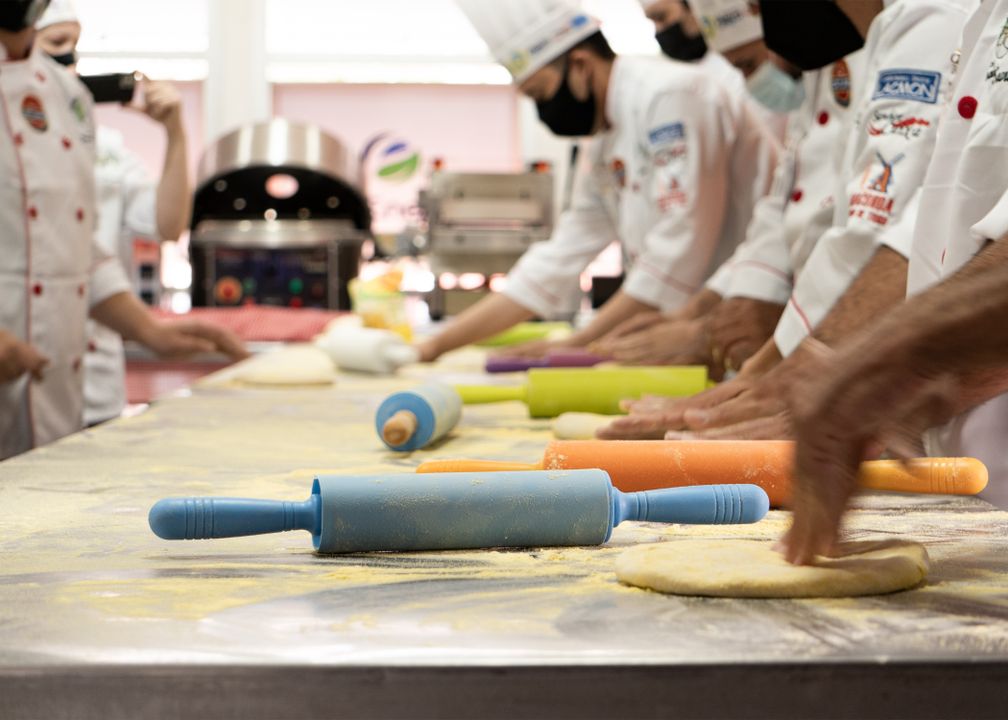
3. A high hands-on ratio. Professional baking and culinary skills aren’t built in a lecture hall. Any serious cooking academy should put students at the stove, in front of the dough, and behind the knife from day one. A minimum 70% practical training target is the benchmark the best institutes aim for.
4. A low student-to-faculty ratio. The difference between a 2:1 ratio and a 15:1 ratio isn’t just a number. At 15:1, students rarely get individual correction on technique. At 2:1, every student gets real-time feedback every session.
5. A documented placement record. A good academy can tell you which companies hire their graduates and how many. Vague language about “placement support” is a red flag. Specific partners and graduate outcomes are the right answer.
6. Curriculum depth in your chosen specialisation. A general cooking course is different from a bakery diploma, which is different from a Jain cuisine programme. Make sure the academy’s strength aligns with your actual career goal.
Citation Capsule: India’s food services sector will employ 10.32 million workers by 2028, up from 8.55 million in 2024 — an 8.1% annual growth rate (NRAI, via Business Standard, July 2024). This sustained demand makes 2026 a strong time to enter professional culinary training — and makes accreditation the most practical filter for choosing which academy is worth your investment.
Does Accreditation Actually Matter? What NSDC, AHLEI, and THSC Mean for Your Career
Accreditation is the single most under-researched criterion for students choosing a cooking academy in Ahmedabad, and it’s also the one with the clearest salary impact. In 2026, diploma holders from NSDC-recognised institutes typically enter professional kitchens at Commis Grade 1 (₹15,000–₹18,000/month), skipping the two lowest entry grades that non-certified graduates must work through. That’s not a marginal difference: it’s a ₹3,000–₹5,000/month gap from the first month of employment, based on prevailing hotel kitchen salary bands reported across Indian hospitality HR surveys.
What the three key bodies actually signify:
NSDC (National Skill Development Corporation): A Government of India initiative that certifies vocational training programmes against national competency standards. Hotels and restaurants recognise NSDC certification as a baseline quality indicator when hiring.
AHLEI (American Hotel and Lodging Educational Institute): The global hospitality industry’s educational standard-setter. AHLEI certification on a culinary diploma signals alignment with international hospitality benchmarks, relevant for students targeting five-star hotel careers or eventually working internationally.
THSC (Tourism and Hospitality Skill Council): The sectoral skill council responsible for setting competency standards for India’s tourism and hospitality workforce. THSC certification specifically validates training against industry-defined skill requirements.
Florence Academy’s 2-year Diploma in Food and Beverages carries all three: NSDC, AHLEI, and THSC. The 1-year Diploma in Artisanal Bakery and Patisserie holds NSDC recognition. No other culinary institute in Ahmedabad currently holds this combination.
Citation Capsule: India’s food services sector is projected to employ 10.32 million people by 2028, up from 8.55 million in 2024, an 8.1% growth rate that creates sustained demand for trained culinary professionals (National Restaurant Association of India, via Business Standard, July 2024). As the pipeline of candidates grows, employers are using recognised accreditations to filter applications, making certified programmes from NSDC-recognised institutes a practical differentiator.
Is the Faculty Teaching from Real Professional Kitchen Experience?
This is the criterion most students overlook when evaluating cooking academies, and it’s often the most important one. A faculty member who has worked as an Executive Chef in a five-star kitchen will correct your knife grip, sauce consistency, and presentation in ways that classroom-trained instructors simply can’t. The difference is most visible in baking and pastry, where small technical deviations compound into failed products.
That distinction matters in practice, not just in theory. Florence Academy’s faculty hold a combined 48+ years of professional culinary experience across its leadership team.
Chef Monila Surana (Managing Partner, 18 years): Academy founder and lead culinary educator with deep experience in professional kitchen training and curriculum design. She runs day-to-day operations and oversees every course at Florence Academy.
Chef Hina Gautam (Food Consultant, 30+ years): Founder of the JustCook culinary institute, cooking show personality, and competition judge. Her background spans professional cooking, culinary consulting, and food media.
Unlike most culinary institutes that separate technique from presentation, Florence Academy’s curriculum teaches both simultaneously — because in a professional kitchen, plating and execution happen at the same time. Chef Monila’s education-led approach combined with Chef Hina’s competition and consulting experience produces graduates who adapt faster to real kitchen environments without the adjustment period that typically follows formal culinary education.
Citation Capsule: Florence Academy’s culinary faculty hold a combined 48+ years of professional experience across restaurant kitchens, culinary education, and food consulting. This depth of real-world experience gives the academy’s curriculum a professional context that most cooking institutes in Ahmedabad cannot replicate (Florence Academy, 2026).
What Should Placement and Career Support Actually Look Like?
Placement support at a cooking academy isn’t just about having a list of company names on the website. It’s about active hiring relationships, graduate tracking, and whether the companies on that list are actually hiring graduates on an ongoing basis. How do you verify this? Ask the academy directly: which companies hired your last 10 graduates, and in which roles?
Florence Academy’s documented placement partners include ITC Hotels, Marriott, and Patang Restaurant. These aren’t aspirational names placed on a brochure. They reflect real hiring relationships built through consistent graduate quality over multiple years.
India’s food services sector employed 8.55 million people in 2024 and is projected to reach 10.32 million by 2028 (Business Standard / NRAI, July 2024). That growth means hotels and restaurants are actively hiring. But they’re selective: they hire from institutes they trust, not from generic culinary training providers.
At Florence Academy, the placement relationship works in both directions. Chef Monila notes that ITC and Marriott’s kitchen managers have been clear about what they expect from a new Commis in the first 30 days, and that feedback is built directly into the programme’s final-semester assessment criteria. This isn’t theoretical career counselling: it’s calibrated preparation for specific employer expectations, updated each year based on direct hiring partner input.
The academy’s 2:1 student-faculty ratio means students receive the kind of technique correction and individual feedback that makes the difference when they walk into a hotel kitchen interview. A student who can execute under pressure with precise results stands out immediately.
Citation Capsule: India’s food services sector is projected to grow from 8.55 million employees in 2024 to 10.32 million by 2028, at an 8.1% growth rate, according to the National Restaurant Association of India. This sustained expansion creates consistent demand for trained culinary graduates from accredited institutes, with five-star hotel chains remaining the most structured and highest-paying entry pathway (Business Standard / NRAI, 2024).
Ready to enrol? Explore All Courses at Florence Academy →
Why Florence Academy’s Vegetarian and Jain Curriculum Is a Practical Career Advantage
Beyond accreditation and faculty, there’s one criterion that rarely appears on generic “how to choose a cooking academy” lists, but in Gujarat, it arguably should come first. Gujarat is one of India’s most predominantly vegetarian states, with a large and active Jain community whose dietary requirements go significantly beyond standard vegetarian cooking. Cooking without root vegetables (no onion, garlic, potato, carrot) while producing professional-quality food is a specialist skill, and it’s rare in trained culinary professionals.
Florence Academy’s curriculum is 100% vegetarian and Jain-adapted across every programme: short courses, foundation programmes, and diplomas. Eggless baking techniques, Jain-compliant dessert production, and vegetarian French pastry are core modules, not electives.
What does this mean practically?
If you’re training to work as a chef at an Ahmedabad hotel (most of which serve a predominantly vegetarian guest base), your Jain culinary competence is directly relevant to your employability. If you’re opening a home bakery or café in Gujarat, the ability to market “Jain-friendly” as a genuine menu differentiator (rather than just a label) is a real business advantage.
Most culinary institutes in India, including well-regarded national institutions, treat eggless techniques as an add-on or elective. At Florence Academy, they’re built into the foundation of every relevant course. That’s an unusual curriculum decision, and in the Gujarat market, it’s the right one.
See the full Artisanal Bakery and Patisserie Diploma for a complete breakdown of eggless and Jain baking modules covered in the programme.
Which Florence Academy Programme Matches Your Goal?
The right programme depends entirely on what you want to be doing in 12 months. Here’s a direct mapping:
| Your Goal | Best Programme | Duration | Key Outcomes |
|---|---|---|---|
| Explore cooking before committing | Workshop | 1 day | Confidence, 1 focused skill |
| Start a home bakery in Gujarat | Whipped Wonder | 4 weeks | 20–40 professional techniques, sellable menu |
| Build serious baking skills | Bakery Foundation | 6 months | 80–120+ recipes, eggless specialisation |
| Hotel or restaurant career | Artisanal Bakery & Patisserie Diploma | 1 year | 350+ recipes, NSDC cert, placement support |
| Professional chef career (full scope) | Diploma in Food & Beverages | 2 years | NSDC + AHLEI + THSC, broad culinary + F&B |
| Open a café | Culinary Foundation + Café Menu Course | 6 months + short | Menu development, costing, operations |
Not sure which fits best? The Florence Academy contact page connects you directly with the admissions team for a programme recommendation based on your specific situation. Most students who are torn between the Bakery Foundation and the Artisanal Diploma should default to the diploma: the NSDC certification recouped in salary uplift typically covers the fee difference within the first six months of employment at Commis Grade 1.
Frequently Asked Questions
Is Florence Academy the best cooking academy in Ahmedabad?
Florence Academy is Ahmedabad’s only culinary institute with NSDC, AHLEI, and THSC accreditation on its 2-year diploma programme, a 2:1 student-faculty ratio, and active placement partnerships with ITC Hotels, Marriott, and Patang Restaurant. With 2,000+ students trained and 48+ years of combined faculty experience across our lead faculty team, it consistently meets every criterion that separates a serious culinary institute from a casual cooking school.
What are the fees for courses at Florence Academy Ahmedabad?
Florence Academy’s courses range from ₹1,500–₹4,000 for one-day workshops, ₹15,000–₹60,000 for short courses (1–4 weeks), and ₹60,000–₹4 lakh+ for foundation and diploma programmes. For current batch fees and intake dates, visit the courses page or contact the admissions team directly at +91 6351665305.
Does Florence Academy offer cooking classes for beginners in Ahmedabad?
Yes. Florence Academy’s workshop programme includes beginner-friendly sessions on French desserts, croissants, eggless macarons, and chocolates. No prior kitchen experience is needed. The Florence Academy workshop schedule lists all upcoming dates and topics. Short courses like the 1-week Whisk and Wonder programme also suit complete beginners who want a structured introduction to professional baking.
What certifications do you get from Florence Academy?
Short courses and foundation programmes award completion certificates. The 1-year Diploma in Artisanal Bakery and Patisserie is NSDC-recognised. The 2-year Diploma in Food and Beverages carries NSDC, AHLEI, and THSC certification, three accreditations that carry real weight with top hospitality employers across India. India’s foodservice sector is projected to employ 10.32 million people by 2028 (NRAI, 2024), making the right certification increasingly important.
Can I get a job in a hotel after completing a course at Florence Academy Ahmedabad?
Hotel placement typically requires a recognised diploma (1 or 2 years), not a short course. Florence Academy’s diploma graduates have been placed at ITC Hotels, Marriott, and Patang Restaurant through the academy’s active hiring relationships. Certified diploma holders enter hotel kitchens at Commis Grade 1 (₹15,000–₹18,000/month), skipping the lowest entry grades. See diploma programme details and placement information for the full picture.
What the Best Cooking Academy in Ahmedabad Actually Looks Like
The best cooking academy in Ahmedabad isn’t the one with the most impressive website or the broadest list of courses. It’s the one that matches your specific goal, holds recognised accreditation, has faculty with real professional kitchen experience, and can point to graduates who got the jobs or built the businesses they trained for.
Florence Academy meets every criterion in this guide with documented evidence: 2,000+ trained students, three industry accreditations, a 2:1 student-faculty ratio, and active placement ties to India’s top hotel groups. For students in Ahmedabad and across Gujarat, it’s also the only institute that treats Jain and vegetarian cuisine as core curriculum, which is exactly what the Gujarat market demands.
Join 2,000+ students who’ve trained with expert chefs at Florence Academy, Ahmedabad.
Explore Courses at Florence Academy →
Chat with us on WhatsApp — we respond fast.
Phone: +91 6351665305 | +91 8320715588
About the Author
This guide was written by Chef Monila Surana (Managing Partner, 18 years of culinary education experience) at Florence Academy of World Cuisines. Learn more about the Florence Academy faculty team →


