

In 2021, Pew Research Center’s Religion in India survey found that 39% of Indian adults identify as vegetarian — and in Gujarat, that number climbs to 61.9%, one of the highest state-level rates in the country, based on SRS baseline survey data cited in Pew’s 2021 methodology. For home bakers and professional pastry chefs alike, eggless baking isn’t a workaround. It’s the default. Every cake sold in a Jain household, every mithai ordered for a Navratri party, every brownie delivered by an Ahmedabad home baker on Instagram — almost all of it is made without a single egg.
But eggless baking has a reputation for being tricky. Dense cakes, flat sponges, crumbly cookies. These problems aren’t caused by the absence of eggs. They’re caused by using the wrong substitute for the wrong recipe.
This guide fixes that. You’ll learn exactly what eggs do in baking, which of the 8 best substitutes replaces which function, and how Florence Academy’s 100% eggless professional curriculum approaches the whole thing.
See also: starting a home bakery in Gujarat and Jain cooking classes in Ahmedabad.
Key Takeaways
– 39% of Indian adults are vegetarian — in Gujarat, that rises to 61.9% (Pew Research / SRS, 2021/2014).
– India’s bakery market hit USD 15.05 billion in 2025, growing to USD 32.05B by 2034 (IMARC Group, 2025).
– The right egg substitute depends on what the egg was doing — binding, leavening, moisture, or emulsification.
– Dahi, condensed milk, and besan are the three most reliable India-native substitutes — available in every kitchen, with no imports required.
– Florence Academy’s entire baking curriculum is 100% eggless — no exceptions.
Why Do Eggs Matter in Baking — and Can You Actually Replace Them?
In 2025, India’s cake market reached USD 2.10 billion and is forecast to double to USD 4.42 billion by 2031, according to ResearchAndMarkets’ Cake Market in India 2026–2031 report — with rising demand for eggless formulations cited as a primary growth driver. The commercial case for eggless baking has never been stronger.
But to replace eggs well, you need to understand what they’re actually doing.
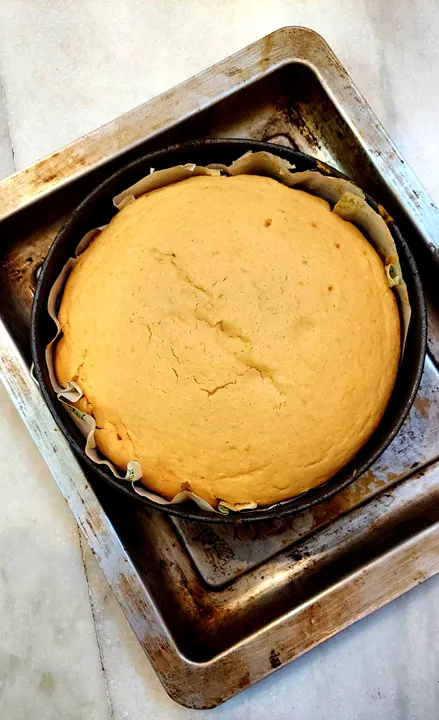
Eggs perform four distinct jobs in a bake:
1. Binding — egg proteins coagulate during baking, holding the structure together. Without binding, baked goods crumble or fall apart.
2. Leavening — beaten eggs trap air, which expands in the oven and lifts the bake. This is why egg-based sponges are light and airy.
3. Moisture — eggs are roughly 75% water, contributing to a tender crumb and preventing dryness.
4. Emulsification — egg yolks contain lecithin, which binds fat and water together. This is what makes cake batters smooth and gives baked goods their even crumb texture.
Most recipes use eggs for two or three of these functions simultaneously. The substitute you choose needs to match the specific functions your recipe requires — not just replace “one egg” with “one substitute.” That’s the insight that separates confident eggless bakers from frustrated ones.
What Are the 8 Best Egg Substitutes for Baking in India?
As of 2026, the global egg replacement ingredient market is growing at 6.8% CAGR in India — the fastest rate among major economies globally, according to Future Market Insights’ Egg Replacement Ingredient Market Report (May 2026). But the best substitutes for Indian bakers aren’t imported products. They’re already in your kitchen.
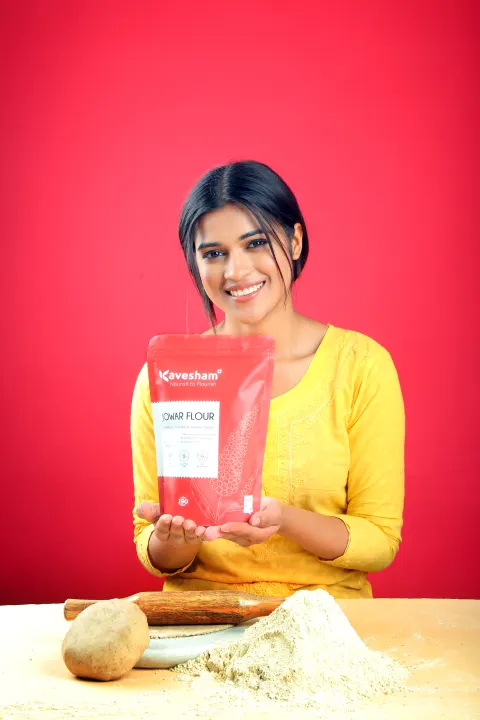
1. Dahi (Plain Yogurt/Curd) — The Indian Baker’s First Choice
Quantity: ¼ cup (4 tbsp) per egg
Functions: Moisture, binding, leavening (with bicarb)
Best for: Sponge cakes, cupcakes, brownies, tea cakes
Here’s what most baking guides skip: dahi isn’t just a moisture substitute. When you combine plain curd (mildly acidic, pH ~4.5) with baking soda (alkaline), they react to produce CO₂ bubbles — the same leavening mechanism eggs create via air incorporation during beating. The correct ratio is ½ tsp extra baking soda per ¼ cup dahi. Get this right, and your sponge rises. Get it wrong — too much bicarb, too little acid — and you’ll get a bitter aftertaste.
Use plain, unflavoured dahi at room temperature. Cold curd from the fridge doesn’t react as cleanly with the bicarb, and the CO₂ release is slower.
2. Condensed Milk (Sweetened) — The Milkmaid Method
Quantity: ¼ cup (4 tbsp) per egg
Functions: Moisture, binding, richness
Best for: Dense cakes, brownies, barfi-style sweets, chocolate fudge cake
Milkmaid-style condensed milk is India’s most-used baking shortcut — and for good reason. It adds moisture and binding simultaneously, the cake stays moist for days longer than standard recipes, and the sweetness is built in. The tradeoff: reduce your recipe’s added sugar by about 25% to compensate, otherwise the bake turns cloyingly sweet.
Don’t use condensed milk in recipes that need airy lift — it adds richness, not lightness.
3. Besan + Water — The Protein Binder
Quantity: 3 tbsp besan + 3 tbsp water, whisked smooth
Functions: Binding, protein structure
Best for: Cookies, dense cakes, scones, savory bakes
Besan (chickpea flour) is one of the most underrated egg substitutes in English-language baking guides. It’s high in protein, completely neutral in flavour when cooked (the raw besan taste cooks out), and creates a firm, cohesive structure in baked goods. Every Indian kitchen has it. Use it when you need binding more than lift — for biscuits, cookies, and anywhere the crumb needs to hold its shape.
4. Aquafaba (Chana Liquid) — The Meringue Maker
Quantity: 3 tbsp per whole egg | 2 tbsp per egg white
Functions: Aeration, emulsification, leavening
Best for: Meringues, eggless macarons, waffles, light sponges
Aquafaba is the liquid from a tin of chickpeas (chana). It contains proteins and starches that whip to stiff peaks — identical in behaviour to egg whites. A 2019 study in Food Hydrocolloids confirmed aquafaba’s protein-starch matrix enables foam formation and emulsification comparable to egg white. For the Florence Academy Eggless Macarons Workshop, aquafaba is the starting point for every macaron shell.
Drain a tin of chana, save the liquid, and refrigerate it for up to a week. Whip chilled aquafaba — it holds peaks better than room-temperature liquid.
5. Mashed Ripe Banana — The Sweetness Binder
Quantity: ¼ cup (approx. ½ medium banana) per egg
Functions: Moisture, binding
Best for: Muffins, pancakes, banana bread, brownies
Banana works well where you want a dense, moist crumb and don’t mind a slight fruity sweetness. It doesn’t lift, and it adds flavour — which is either a plus or a minus depending on the recipe. Use overripe bananas: the riper, the more moisture and sweetness they contribute, and the more easily they mash to a smooth paste.
6. Flaxseed Egg — The Nutty Binder
Quantity: 1 tbsp ground flaxseeds + 3 tbsp water, rest 5 minutes
Functions: Binding, moisture
Best for: Brownies, cookies, muffins, quick breads
Ground flaxseeds absorb water and form a gel with a slightly mucilaginous texture — which is exactly what you want for binding. The result is a dense, chewy crumb. Flaxseed adds a mild nutty flavour and a slightly darker colour to baked goods. It’s available in health stores across India and increasingly in supermarkets in major cities.
7. Vinegar + Baking Soda — The Leavener
Quantity: 1 tbsp white vinegar + 1 tsp baking soda per egg
Functions: Leavening only
Best for: Cupcakes, light sponge cakes, wacky cake
This works on pure chemistry: acid + alkali = CO₂ = lift. Add the vinegar and bicarb separately to your batter (not pre-mixed, or the reaction happens in the bowl rather than in the oven). This combination provides leavening but zero binding or moisture — don’t use it as a standalone substitute in recipes that need structural integrity.
8. Silken Tofu (Pureed) — The Dense-Cake Specialist
Quantity: ¼ cup pureed silken tofu per egg
Functions: Moisture, protein structure
Best for: Cheesecakes, dense chocolate cakes, puddings, brownies
Silken tofu is flavour-neutral and adds protein structure and moisture without any sweetness. It’s available in most metro supermarkets in India (Spencer’s, Nature’s Basket, BigBasket). For smaller cities and towns, it’s harder to source — use dahi or condensed milk as the more accessible alternative.
Which Egg Substitute Should You Use for Each Recipe Type?
The table below maps substitute to recipe type. When a recipe calls for multiple eggs, the same substitute scales proportionally — two eggs = double the quantity.
| Recipe Type | Best Substitute | Why |
|---|---|---|
| Sponge / layer cake | Dahi + ½ tsp extra bicarb | Leavening + moisture; tender crumb |
| Brownies | Condensed milk or flaxseed egg | Fudgy density; binding without lift |
| Cookies | Besan + water or flaxseed egg | Firm binding; holds shape when baked |
| Muffins | Banana or dahi | Moisture-forward; slight sweetness OK |
| Cupcakes | Dahi or vinegar + bicarb | Lift needed; light texture |
| Meringues / macarons | Aquafaba only | Must whip to peaks; nothing else works |
| Cheesecake | Silken tofu | Dense, smooth texture; protein structure |
| Quick breads / wacky cake | Vinegar + bicarb | Leavening-only job; no structure needed |
| Pancakes / waffles | Dahi or banana | Moisture and fluffiness; easy to adjust |
| Farali baking (kuttu/singhada) | Dahi | Most reliable with alternative flours |
At Florence Academy, the first substitute we introduce to every new student is dahi — not because it’s the most versatile (it is), but because it teaches the underlying principle: you’re replacing a function, not just swapping an ingredient. Once students understand the acid-bicarb reaction, every other substitute makes instinctive sense. Besan is the second: it demystifies binding. By the time students reach aquafaba, they already understand why it works differently.
What Causes Eggless Baking Problems — and How Do You Fix Them?
Most eggless baking failures come from one of five mistakes. They’re all fixable once you know what caused them.
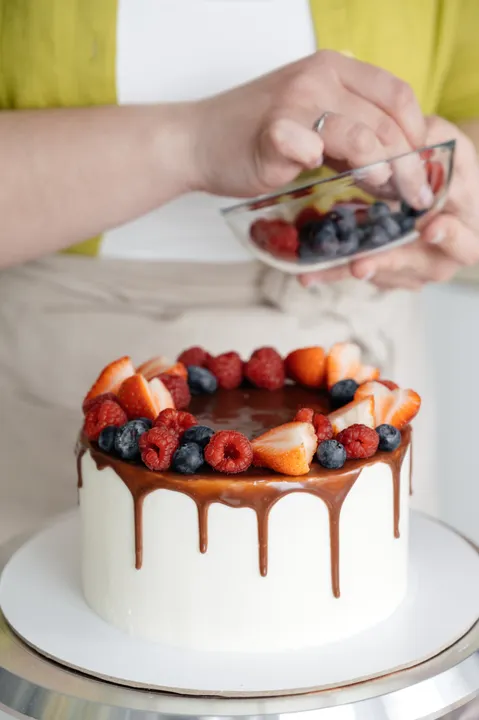
1. Dense, heavy texture
Cause: The substitute you used adds moisture and binding but no lift. Using only condensed milk or besan in a sponge recipe will produce a dense, heavy cake.
Fix: Add a leavening substitute alongside the binding substitute. Dahi + bicarb, or a small amount of vinegar + bicarb, combined with condensed milk for richness.
2. Cake doesn’t rise
Cause: Your bicarb reacted in the bowl before it hit the oven — usually because you mixed the acidic substitute and bicarb together before adding them to the batter.
Fix: Add the acidic substitute (dahi, vinegar) and the bicarb to the batter separately. Mix quickly and get the batter into the oven within 5 minutes of combining them.
3. Gummy or wet centre
Cause: Too much moisture substitute without enough structure. Banana and condensed milk both add significant liquid — if you use a full ¼ cup of each for a recipe that called for one egg, you’ve over-moistened the batter.
Fix: Reduce other liquids in the recipe (milk, oil) by 2-3 tbsp when using a high-moisture substitute like banana.
4. Bake falls apart when cut
Cause: Insufficient binding. Vinegar + bicarb provides only leavening — it adds no binding at all. Using it alone in a cookie or dense cake gives you crumble.
Fix: Use besan + water or flaxseed egg as the primary substitute in any recipe where binding matters (cookies, scones, dense loaves).
5. Metallic or soapy aftertaste
Cause: Excess baking soda without enough acid to neutralise it. This happens when you add ½ tsp extra bicarb to the dahi but the recipe already had significant bicarb.
Fix: Use ¼ tsp extra bicarb (not ½ tsp) when your recipe already contains 1+ tsp baking soda. The dahi provides enough acid for a smaller bicarb addition.
The most common problem we see at Florence Academy isn’t a wrong substitute — it’s mixing order. Students add dahi and bicarb to a pre-mixed batter, stir for three minutes while they finish other prep, then pour into the tin. By then, most of the CO₂ reaction has already happened. The batter goes into the oven already deflated. The fix isn’t a different substitute; it’s baking faster after the acid hits the alkali.
How Should You Adapt Your Baking for Jain Festivals and Navratri?
In 2025, the global egg replacement ingredient market reached USD 2.5 billion and is projected to hit USD 4.9 billion by 2035 at 6.1% CAGR, according to Allied Market Research’s Egg Replacement Ingredient Market report (GlobeNewswire, March 2025). In India, growth is faster than anywhere else — driven largely by the Jain community and Gujarat’s dominant vegetarian food culture.
For Jain bakers, eggs are already excluded. But festival seasons add additional constraints worth planning for.
During Paryushana (the 8–10 day Jain festival of penance): strict observers avoid root vegetables. For condensed milk, check the label for E-numbers or undisclosed stabilisers that may derive from prohibited sources. The safest substitutes during Paryushana are plain dahi, aquafaba (chana liquid is parboiled, not raw), and banana. Skip silken tofu and any commercial egg replacer with unverified ingredients.
During Navratri farali baking: the flour changes entirely. Standard maida is replaced with kuttu (buckwheat), singhada (water chestnut flour), or samo flour. These flours behave very differently — they’re denser, more absorbent, and have less gluten structure. The best egg substitute for farali baking is dahi, because its acid-bicarb reaction works even with low-gluten flours. Banana adds too much moisture to denser farali flours. Besan is itself a grain flour and is typically avoided during Navratri.
For a deeper look at cooking and baking for Jain dietary requirements, see our full guide on Jain cooking classes in Ahmedabad.
Frequently Asked Questions
Can I really get a fluffy cake without eggs?
Yes — and millions of Indian home bakers prove it every day. The key is matching the substitute to what the egg was doing. Dahi with baking soda produces CO₂ leavening comparable to beaten eggs. In 2025, India’s eggless cake premix market alone was valued at USD 787 million (ResearchAndMarkets, Eggless Cake Premix Market Report 2025–2030), reflecting how mainstream eggless baking has become in India.
What is the best egg substitute for cakes in India?
Dahi (plain yogurt/curd) is the most reliable egg substitute for cakes. Use ¼ cup per egg, combined with ½ tsp extra baking soda to trigger the acid-alkali leavening reaction. It’s available in every Indian kitchen, adds moisture without changing flavour, and produces a tender crumb in sponge cakes, cupcakes, and layered cakes.
Is eggless baking healthier than regular baking?
It depends on the substitute. Dahi adds protein and probiotics. Besan adds plant protein and iron. Banana adds potassium and natural sweetness. Flaxseed egg adds omega-3 fatty acids. Condensed milk adds significant sugar. In 2024, India’s vegan food market reached USD 1.47 billion (IMARC Group, India Vegan Food Market Report) — growing demand driven partly by health-conscious consumers choosing egg-free options.
What egg substitute works for meringues and macarons?
Aquafaba — the liquid from a tin of chickpeas — is the only substitute that whips to stiff peaks like egg whites. Use 2 tbsp per egg white, chilled. It works in meringues, eggless macarons, and waffles. Florence Academy’s Eggless Macarons Workshop covers aquafaba technique in full detail for students who want to master this application.
Where can I learn professional eggless baking in Ahmedabad?
Florence Academy of World Cuisines is Ahmedabad’s only culinary institute with a 100% eggless professional curriculum. The Bakery Foundation Program and MFBBA Course both cover eggless technique across cakes, pastry, and bread. Located on Judges Bunglow Road, opposite ITC Narmada. Call +91 6351665305 or visit florenceawc.com/courses.
Eggless Baking Is a Skill, Not a Limitation
Bakers in Gujarat have been making extraordinary cakes, mithais, and pastries without eggs for generations. The techniques exist. The substitutes are in your kitchen right now. What closes the gap between a flat, dense eggless sponge and a light, professional-quality one is understanding which substitute performs which job — and then practising until the combinations become instinct.
For pricing your baked goods or turning your eggless baking skill into a home business, start with Florence Academy’s structured programs. Explore all baking courses or contact us on WhatsApp — we’ll help you find the right starting point.
About the Author
Chef Monila Surana is the Managing Partner of Florence Academy of World Cuisines in Ahmedabad, with 18 years of culinary education experience and 2,000+ students trained. Florence Academy’s teaching team brings 48+ years of combined culinary experience — including Chef Hina Gautam (30+ years, founder of JustCook culinary institute, cooking show personality and competition judge). The academy’s 50+ courses are 100% vegetarian and Jain-adapted throughout, with eggless baking as a core curriculum pillar across every programme.
Florence Academy’s editorial team verifies all statistics for accuracy before publication. To report a discrepancy, contact us.


