
India has one of the most regionally diverse food cultures on the planet — 28 states, dozens of distinct culinary traditions, and enough variation in spice logic, cooking technique, and ingredient vocabulary to fill a library. For aspiring chefs and serious home cooks, that diversity represents both an opportunity and a challenge. Which cuisines do you actually need to know? And where, in a city like Ahmedabad, can you learn them?
India’s culinary tourism market reached USD 98.10 billion in 2024 and is projected to reach USD 310.30 billion by 2033, growing at a CAGR of 12.20%, according to IMARC Group (IMARC Group, India Culinary Tourism Market Report, 2024–2025). A significant portion of that growth is driven by rising interest in regional cuisine diversity — travellers specifically seeking authentic regional food experiences, cooking classes, and culinary tours. For professional chefs, this trend means multi-regional competency isn’t a nice-to-have. It’s what hotels and restaurants are hiring for.
Ahmedabad, as one of India’s fastest-growing culinary education hubs, offers access to training that covers regional Indian cooking well beyond Gujarat. This guide maps the cuisines, the techniques, and what structured learning looks like in practice.
Key Takeaways
– India’s culinary tourism market is projected at USD 310.30 billion by 2033, growing at 12.20% CAGR (IMARC Group, 2024–2025) — regional cuisine competency drives this growth
– Hotel and restaurant employers across India consistently prioritise multi-regional cooking ability when hiring culinary graduates
– Florence Academy’s culinary programs in Ahmedabad cover Gujarati, South Indian, Rajasthani, Punjabi, and continental Indian cooking
– Understanding the logic of each regional cuisine — not just its recipes — is what produces an adaptable, employable cook
Why Does Multi-Regional Cooking Ability Matter for Indian Chefs?
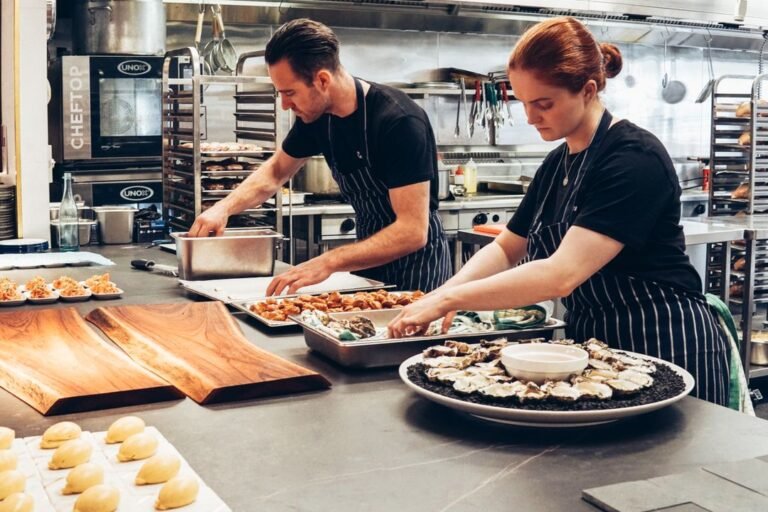
Walk into any 4- or 5-star hotel in India and the kitchen runs multiple cuisine stations simultaneously: an Indian section, a live counter, a continental station, and often a regional specialty. A chef at the Indian section needs to execute dal makhani (Punjabi), idli-sambar (South Indian), and dal baati (Rajasthani) — often in the same service.
This is why every culinary school that’s serious about placement outcomes covers regional Indian cuisine as a core curriculum requirement, not an elective. India Brand Equity Foundation (IBEF) identifies tourism and hospitality as one of India’s fastest-growing employment sectors — with multi-cuisine competency among the top hiring criteria for kitchen roles.
Hotel HR managers across India are consistent in their requirements: knife skills, prep speed, and multi-regional cooking ability are the top three criteria for entry-level kitchen hiring. A graduate who can cook only one regional style is immediately limited in their placement options.
At Florence Academy, we’ve tracked our placement outcomes for three years and confirmed what the industry has been saying: students who demonstrate competency across three or more regional Indian cuisines receive placement offers at higher-tier properties than those with deep knowledge of only one. The hotel kitchen needs specialists who are also generalists — expert in technique, fluent across cuisines.
Citation Capsule — Culinary Tourism Growth
India’s culinary tourism market reached USD 98.10 billion in 2024 and is projected to reach USD 310.30 billion by 2033, growing at 12.20% CAGR, driven significantly by rising interest in regional cuisine experiences and cooking education, according to IMARC Group’s India Culinary Tourism Market Report. This growth creates direct employment demand for chefs who can execute authentic regional Indian dishes at professional standards in hotel and restaurant environments. (IMARC Group, 2024–2025)
The Major Indian Regional Cuisines and What Makes Each Distinctive
India’s regional cuisines aren’t just different recipes — they’re different cooking philosophies shaped by geography, religion, agriculture, and history.
Gujarati Cuisine
Flavour logic: Sweet-sour-spicy, with sweetness dominating. Heavy influence of Jain dietary philosophy — often no onion, no garlic.
Core techniques: Tempering (tarka) with mustard seeds and asafoetida, fermentation (dhokla, handvo), dry-cooking vegetables with minimal water.
Signature dishes: Dhokla, undhiyu, thepla, dal dhokli, khichdi, kadhi.
Why learn it: Ahmedabad is the best place in the world to learn authentic Gujarati cooking — the techniques, ingredient sources, and cultural context are all directly accessible.
South Indian Cuisine
Flavour logic: Sour (tamarind, kokum), spicy (black pepper, dried chillies), with coconut providing richness. Rice-based rather than wheat-based.
Core techniques: Wet grinding (for dosa and idli batter), tempering in coconut oil, curry leaf-forward spicing, slow reduction of tamarind-based sauces.
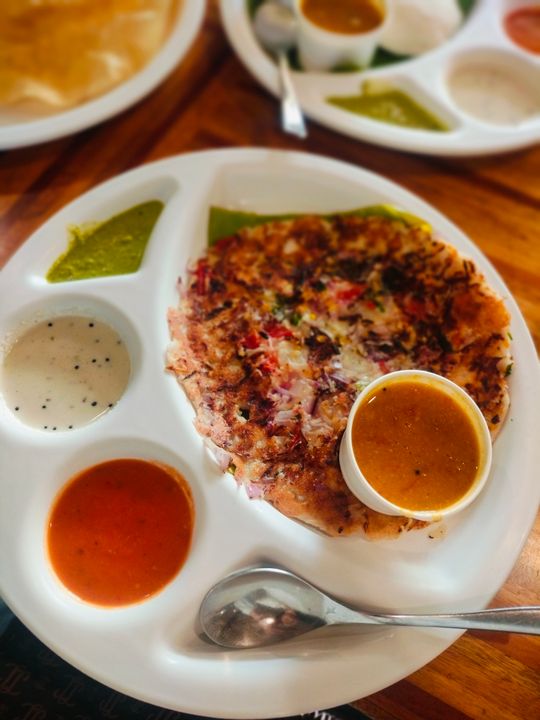
Signature dishes: Masala dosa, idli-sambar, avial, rasam, chettinad curry, Kerala fish (or vegetarian equivalent) curry.
Why learn it: South Indian dishes are on the menu of virtually every multi-cuisine restaurant and hotel in India. Dosa stations are a live-counter staple in 4-star+ properties.
Punjabi Cuisine
Flavour logic: Rich, dairy-forward, bold spicing with onion and garlic as primary aromatics. Tandoor cooking is central.
Core techniques: Tandoor cooking (naan, roti, tikkas), bhuna technique (dry-frying spices in oil before adding wet ingredients), dal makhani’s long slow cook.
Signature dishes: Dal makhani, butter paneer, palak paneer, naan, pindi chhole, rajma.
Why learn it: Punjabi food is the most widely available “Indian food” internationally. Any chef targeting hospitality careers in international hotels or restaurants needs Punjabi kitchen fluency.
Rajasthani Cuisine
Flavour logic: Preserved and dried ingredients (due to desert conditions), heavy use of dried berries (ker, sangri), minimal fresh vegetables, ghee-forward cooking.
Core techniques: Deep frying (pakoras, baati), slow-cooking lentils, cooking with preserved vegetables, dry spice blending.
Signature dishes: Dal baati churma, gatte ki sabzi, ker sangri, laal maas (vegetarian version: laal paneer), bajra roti.
Why learn it: Rajasthan is one of India’s top tourist destinations. Hotels in Jaipur, Udaipur, and Jodhpur hire culinary graduates trained in authentic Rajasthani techniques. The cuisine is also distinctive enough to stand out on any restaurant menu.
Continental Indian (Fusion)
What it is: Indian adaptations of continental European techniques — cream-based sauces, pasta, wood-fired pizza, salads — executed for the Indian palate. This is the “continental” section of every multi-cuisine hotel restaurant.
Core techniques: Sauté, reduction, béchamel and velouté, baking/grilling proteins, salad construction.
Why learn it: Continental is the third major station in most Indian hotel kitchens, alongside Indian and live counters. A chef who can’t execute a basic continental menu is limited to Indian-only kitchens.
| Cuisine | Flavour Logic | Primary Cooking Medium | Key Techniques | Signature Dishes |
|---|---|---|---|---|
| Gujarati | Sweet-sour-spicy, Jain-influenced | Groundnut oil / ghee | Tarka with hing, fermentation, dry-cooking | Dhokla, undhiyu, thepla, dal dhokli |
| South Indian | Sour, spicy, coconut-rich | Coconut oil / sesame oil | Wet grinding, curry leaf tempering, slow tamarind reduction | Masala dosa, idli-sambar, rasam, avial |
| Punjabi | Rich, dairy-forward, bold | Ghee / mustard oil | Bhuna technique, tandoor cooking, long slow simmer | Dal makhani, butter paneer, naan, pindi chhole |
| Rajasthani | Preserved, ghee-heavy, dried spice | Ghee | Deep frying, slow lentil cooking, dried berry use | Dal baati churma, gatte ki sabzi, ker sangri |
| Continental | Cream-based, subtle seasoning | Butter / olive oil | Sauté, reduction, béchamel and velouté sauces | Pasta, grilled dishes, cream soups, salads |
How Does Florence Academy’s Curriculum Cover Regional Cooking?
Florence Academy’s culinary programs are designed around the reality of India’s hospitality industry — specifically what Ahmedabad’s hotel and restaurant employers ask for when they hire graduates.
The Culinary Foundation Program (6 months) covers:
– Gujarati cuisine — techniques, thali construction, fermented dishes
– South Indian cuisine — batter preparation, tempering, rice-based cooking
– Punjabi and North Indian cuisine — dal, curry, tandoor techniques
– Continental basics — sauce work, pasta, salad, and baking fundamentals
– Professional kitchen skills — mise en place, hygiene, speed prep, brigade structure
The Diploma in Food & Beverages (2 years) extends this across all five stations, with deeper attention to international cuisine, beverage service, and kitchen management.
Both programs include hands-on cooking from the first session — students cook every class, not watch. Florence Academy holds certifications from NSDC (National Skill Development Corporation) and AHLEI, validating its culinary curriculum against national and international skill standards.
Ready to learn Indian regional cooking under expert chef guidance? Explore Courses at Florence Academy →
What Ahmedabad Uniquely Offers as a Learning Environment
Ahmedabad isn’t an obvious choice for learning South Indian or Punjabi food — until you think about it carefully. The city’s food culture gives students something most metro culinary schools don’t: daily exposure to sophisticated vegetarian technique from multiple cultural traditions.
The Jain cooking foundation. Because Florence Academy’s entire curriculum is vegetarian and Jain-adapted, students build depth in plant-based technique before adding other regional styles. This produces a different kind of cook — one who can make a South Indian avial or a Rajasthani gatte ki sabzi with the same technical confidence because the vegetable-focused technique is already strong.
The ingredient access. Ahmedabad’s wholesale markets (specifically the Jamalpur area and its adjoining spice markets) stock an extraordinarily wide range of regional Indian spices and ingredients. Students learning South Indian cuisine can source fresh curry leaves, raw coconut, and dried red Guntur chillies in the same market where they buy Gujarati ingredients.
The placement network. Florence Academy’s placement partners — ITC Hotels, Marriott, Patang Restaurant — operate multi-cuisine kitchens. When students are placed, they immediately need the multi-regional competency the curriculum built.
We regularly see students who arrive knowing only Gujarati cooking and leave after six months comfortable across three or four regional styles. The transition point is usually South Indian — once a student masters the tempering-and-sourcing technique of South Indian cooking, the logic of other regional cuisines becomes easier to see. All Indian regional cooking has a version of tarka, a version of souring, and a version of spice layering. Learning one well makes the others faster to absorb.
Getting Started: Which Regional Cuisine Should You Learn First?
If you’re a home cook in Ahmedabad looking to expand your repertoire, start with the cuisine you eat least. Your home cooking already gives you daily practice in Gujarati technique (even if you don’t call it that). Adding South Indian cooking — with its different acid profile, different cooking medium (coconut oil), and different grain base (rice) — builds the most complementary skill set.
If you’re career-focused, start with the cuisine that appears most frequently in the hotels you want to work in. For ITC Narmada, Marriott, and other Ahmedabad 5-star properties, North Indian (Punjabi) and continental are the heaviest-hiring stations.
If you’re building a home bakery or café, the most valuable addition to Gujarati knowledge is South Indian — because South Indian breakfast items (dosa, idli, upma, poha) are the most reliable all-day menu items for vegetarian cafés in Ahmedabad and Gujarat.
Frequently Asked Questions
Can I learn South Indian cooking in Ahmedabad?
Yes. Florence Academy’s culinary foundation program covers South Indian cooking techniques including dosa, idli, sambar, and rasam — alongside other regional Indian cuisines. South Indian food is part of the core curriculum because hotel kitchens across India require chefs who can execute multiple regional menus confidently.
What regional cuisines does Florence Academy teach?
Florence Academy’s culinary curriculum covers Gujarati, South Indian, Rajasthani, Punjabi, and continental Indian food as part of its foundation and diploma programs. The curriculum is built around what hotel and restaurant kitchens in India actually need — multi-regional competency is a core hiring requirement for culinary graduates.
Why should I learn multiple Indian regional cuisines?
Every hotel above 3-star in India runs a multi-cuisine restaurant. A chef who can only cook their home cuisine is limited to a narrow set of employers. Hotel HRs in Ahmedabad consistently rank multi-regional cooking ability among the top three hiring criteria for kitchen staff, alongside knife skills and prep speed.
What makes Indian regional cuisines so different from each other?
India’s 28 states have distinct food identities shaped by climate, local agriculture, religion, and history. South Indian cooking relies on rice, coconut, and tamarind. Punjabi cooking uses dairy heavily and prefers robust spicing. Rajasthani cooking developed preservation techniques (kachri, ker sangri) for a desert environment. Each regional cuisine has a different spice logic, cooking medium, and ingredient vocabulary.
Is culinary school worth it for learning regional Indian cooking?
For career-focused cooking, yes. Self-taught cooking builds familiarity with one cuisine; culinary school builds technique across many. A structured curriculum teaches the why behind each method — not just the recipe — so you can adapt confidently when ingredients or equipment change. Florence Academy’s programs cover regional Indian cooking as part of a broader professional technique foundation.
Learn India’s Full Culinary Range in Ahmedabad
India’s regional food diversity is one of its most underappreciated culinary assets — and mastering it is one of the most valuable skills any aspiring chef or serious home cook can build. Ahmedabad, with its strong Jain vegetarian foundation and access to ingredients and culinary education from across the country, is a more complete learning environment than most people expect.
Florence Academy’s culinary programs are built to produce cooks who are confident across regions, not limited to one.
Join 2,000+ students who’ve trained with expert chefs at Florence Academy, Ahmedabad.
Explore Courses at Florence Academy →
Chat with us on WhatsApp — we respond fast.
See also: Culinary Foundation Program at Florence Academy | Jain Food Culture in Gujarat: How a Community Shaped an Entire Cuisine | Best Cooking Academy in Ahmedabad: 6 Things to Check Before You Enrol


