

Festival season in India is unlike anything else in the food business calendar. Raksha Bandhan, Janmashtami, Navratri, Diwali — compressed into roughly 6-8 weeks between August and November, these festivals drive a disproportionate share of annual bakery revenue. Home bakers report earning 40-60% of their annual income during this single window (Florence Academy Home Baker Community, 2024). That’s an extraordinary opportunity. It’s also the window when the most orders fail, the most customers are disappointed, and the most bakers burn out completely. The difference between a profitable festival season and a chaotic one isn’t hustle — it’s a system. This guide gives you that system.
home bakery business fundamentals →
Key Takeaways
– Home bakers earn 40-60% of annual revenue during the Aug-Nov festival window (Florence Academy data)
– Calculate your hard production cap before opening bookings — then take orders for 80% of that number
– Order festival packaging 2-3 weeks in advance; over-ordering is as costly as under-ordering
– Stagger delivery slots geographically — attempting 40 deliveries in one morning is a common season-ending mistake
– Festival pricing should be 20-30% higher than regular pricing; always collect advance payment
Why Is Festival Season Both the Best and the Hardest Time for Home Bakers?
India’s sweet and snack food market is valued at approximately ₹4.75 lakh crore and growing at 10-12% annually (FSSAI Industry Report, 2024), with festival season accounting for a disproportionately large share of that volume. Home bakers specifically report earning 40-60% of their full year’s revenue in the Aug-Nov festival window alone (Florence Academy Home Baker Community, 2024).
The pressure that comes with that opportunity is real. Most home bakers take far more orders than they can realistically produce, underestimate prep time, forget packaging lead times, and never think about delivery logistics until the day before. All four of these errors compound each other.
There’s also a mental health dimension that the baking industry rarely talks about honestly. Burnout during festival season is one of the primary reasons home bakers quit or take extended breaks. The fix isn’t motivational — it’s structural. A baker who plans correctly delivers every order, earns more per order, and ends the season with energy left over.

How Do You Calculate Your Festival Order Capacity Before Taking Bookings?
The single most important number in your festival season is your daily production cap, and most home bakers never calculate it properly. According to Florence Academy home baker workshop data, over 70% of bakers who report festival season problems trace the root cause to taking more orders than their kitchen could physically produce (Florence Academy Workshop Survey, 2024).
Here’s the calculation, step by step.
Step 1: List every SKU you plan to sell. Write down each product — chocolate barfi boxes, eggless brownie hampers, cookie tins, whatever you’re offering. Be specific about sizes and variants.
Step 2: Measure actual production time per unit. Not recipe time — actual kitchen time. Include oven batch time, cooling time, setting time, and decoration. Time yourself making a real batch, then divide.
Step 3: Calculate your available daily hours. Then subtract 20%. Things always take longer than planned — ingredient runs, equipment issues, re-dos. Build the buffer in before you open bookings.
Step 4: Calculate max units per day. The formula: (available minutes per day) divided by (minutes per unit), summed across all SKUs. If you have 360 available minutes and each chocolate box takes 30 minutes, that’s 12 boxes per day.
Step 5: Multiply by your production days. Decide how many days before the festival you’ll be producing. Multiply daily capacity by that number. That’s your season capacity.
Then take orders for 80% of that number. The remaining 20% covers mistakes, re-bakes, personal gifting, and last-minute requests from people you genuinely can’t say no to.
Example: 12 chocolate boxes per day x 8 production days = 96 boxes season capacity. Take orders for 80. Set your WhatsApp status to “Diwali orders closed” when you hit 80.
The most professional thing a home baker can do is say “we’re fully booked.” It signals quality, not scarcity.
- “Daily Production Capacity vs. Orders Taken: Common Festival Season Gap”
- Florence Academy Workshop Survey 2024
Source: Florence Academy
What Packaging Decisions Should You Make Before Festival Season Starts?
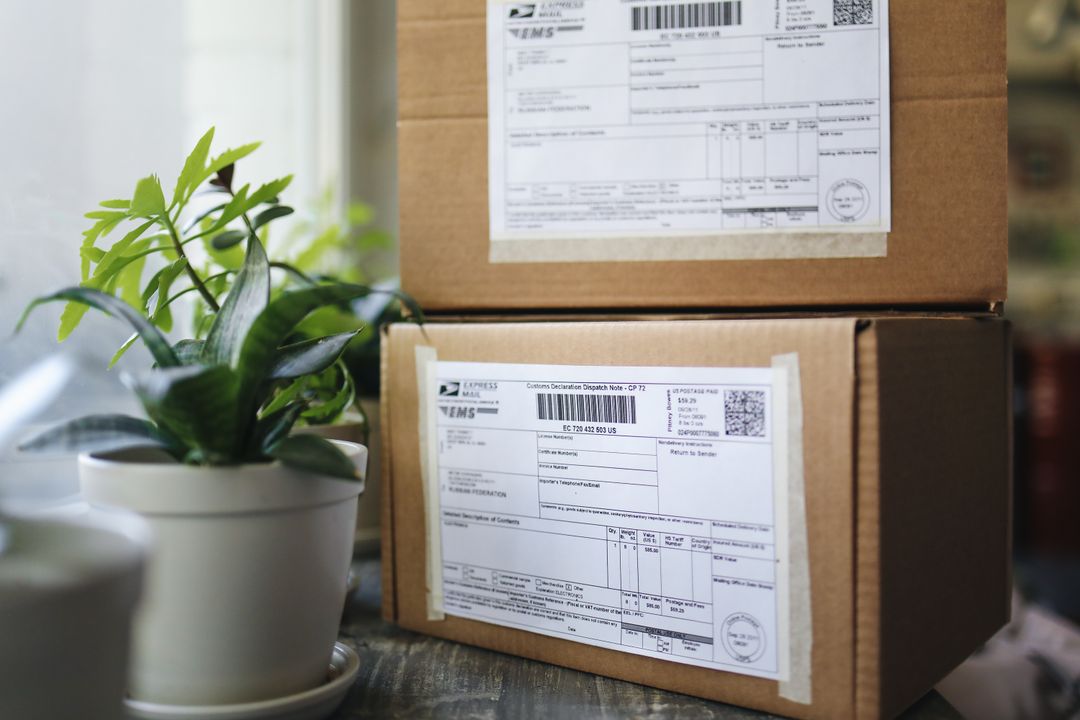
Festival packaging from Ahmedabad suppliers — printed boxes, ribbons, custom stickers, tissue paper — requires 2-3 weeks lead time from most vendors. That means ordering in August for Navratri and Diwali season. Bakers who realise this in October are already too late (Florence Academy Packaging Workshop, 2024).
Build packaging cost into your pricing before you set a single festival price. This sounds obvious. Most bakers still don’t do it, and the result is a gifting box that costs ₹80 in packaging being sold at a price that assumed ₹20 packaging.
A two-tier packaging system works well for festival orders without tripling your complexity. A standard kraft box with a sticker is your base tier. A premium gift box with ribbon, tissue, and a handwritten card is your premium tier. Charge ₹150-300 more for the premium tier, and let customers self-select. Most Diwali gifting buyers will choose the premium option.
For sourcing in Ahmedabad: Manek Chowk wholesale market is the most cost-effective for bulk kraft boxes and plain gift boxes. Amazon India and Flipkart are reliable for standard sizes with 3-5 day delivery. Custom-printed boxes with your logo come from local print vendors in Naranpura and C.G. Road — budget 3 weeks and get samples before committing to a large quantity.
Florence Academy home baker workshop data reveals the number-one packaging mistake in festival season is over-ordering materials. Bakers purchase 200 boxes for an 80-order season, and leftover packaging is often damaged in storage and unusable the following year. The correct quantity to order is 1.25 times your order cap — not 2 times. For 80 orders, order 100 boxes. That’s it.
On FSSAI labelling: If you’re selling sealed, labelled packaged food, FSSAI labelling rules apply — product name, ingredient list, allergens, net weight, and manufacturer details are required (FSSAI Labelling Regulations). For festival gifting in open trays or unsealed decorative boxes, the requirements differ. Read more in our FSSAI registration guide for home bakers in Gujarat and our complete food packaging guide for home bakers.

How Do You Handle Delivery for Festival Bakery Orders?
Delivery is where festival seasons collapse. Most home bakers plan production meticulously and then improvise delivery entirely — the result is late arrivals, damaged goods, and refund requests that wipe out the season’s profit margin. Research from logistics platform Porter shows that last-mile delivery errors spike by over 40% during Indian festival periods due to traffic congestion and address verification failures (Porter Delivery Insights, 2024).
You have three delivery options, each with distinct trade-offs.
Option 1: Self-delivery. Most common for Ahmedabad home bakers. Use your personal vehicle or a trusted family member. The key is geographic zoning — plan delivery routes by area, not by order time. Group Satellite orders together, Bopal orders together, Maninagar orders together. Never crisscross the city in festival traffic.
Option 2: Third-party delivery services. Porter and Swiggy Genie handle local same-day delivery. These work well for single-box orders. For multi-box hampers or stacked cake boxes, packaging must be specifically designed for third-party handling — sealed, impact-protected, and heat-resistant. Festival season in Ahmedabad means 35-40°C ambient temperatures. Cream-frosted items and whipped cream products cannot go via third-party services without refrigerated transport.
Option 3: Customer pickup. The simplest logistics solution. Set two fixed pickup windows — say, 10am-12pm and 4pm-6pm — and communicate them clearly in every order confirmation. Most customers in Ahmedabad are comfortable with pickup, especially when the baker explains it’s how they maintain quality.
Stagger your delivery slots regardless of which option you choose. A 2-hour delivery window per zone per day is achievable. Promising 40 deliveries in one morning is not.
: Chef Monila Surana watched a student baker collapse an otherwise successful festival season by taking 120 orders and attempting to deliver all of them on Diwali eve. She hadn’t planned delivery slots, ran out of packaging material at order 80, and had 40 orders that arrived 3 hours late. The refund requests and WhatsApp complaints erased every rupee of profit from the season. The lesson isn’t “take fewer orders” — it’s “plan delivery before you take the first order.”
- Day 1 — Morning (6 am–12 pm) — Zone A orders: bake, cool, quality check
- Day 1 — Afternoon (12 pm–4 pm) — Zone A packaging + Zone B prep (butter, fillings)
- Day 1 — Evening (4 pm–6 pm) — Zone A dispatch; Zone B baking
- Day 2 — Morning (6 am–10 am) — Zone B cooling + Zone C prep
- Day 2 — Midday (10 am–2 pm) — Zone B packaging + Zone C baking
- Day 2 — Afternoon (2 pm–5 pm) — Zone B & C dispatch; final checks
Source: Florence Academy production planning template
How Do You Set Festival Pricing Without Undercharging?
Festival pricing should be higher than your regular pricing — not equal to it, and certainly not lower. Demand is higher, production is more pressured, and customers paying for Diwali gifting expect to pay a premium for something special. According to IBEF (India Brand Equity Foundation), the Indian gifting market grows at 15-20% annually, with premium gifting driving the highest growth segment — festival food gifting is a direct beneficiary of this trend (IBEF India Gifting Market Report, 2024).
Start with this minimum pricing formula:
(Materials cost x 3) + packaging cost + delivery cost = minimum price
The 3x materials multiplier covers your labour, overheads, and margin at baseline. Then add packaging cost line by line — don’t average it. A premium gift box with ribbon costs more than a plain kraft box, and that cost belongs in the price.
For festival-specific items, add a 20-30% uplift above your regular pricing. A chocolate box you sell for ₹450 in January should be ₹540-585 during Diwali season, with festival packaging. The occasion justifies it. The limited availability reinforces it.
Require advance payment for festival orders — 50-100% upfront, depending on order size. For fully customised items (engraved chocolate, personalised packaging), 100% advance is standard and fully acceptable. This protects you from last-minute cancellations that leave you with perishable inventory and no revenue to show for it.
: The home bakers with the most profitable festival seasons are not the ones who take the most orders. They’re the ones who take the right number of orders, charge appropriately, and deliver every single one consistently. A reputation for reliability is worth more than 20 extra orders. One failed delivery during Diwali season costs you at least 10 referrals — people who would have ordered next year and recommended you to neighbours. The math of reliability compounds in your favour.
Ready to learn from expert chefs? Explore Courses at Florence Academy
Frequently Asked Questions
How Far in Advance Should I Start Taking Festival Bakery Orders?
For Diwali, open your order books in September — 4-6 weeks before the festival. For Raksha Bandhan (typically the first or second week of August), open bookings in late July. Set a booking deadline 3 days before your first planned delivery date. This gives you final production and packaging time without last-minute scrambling. Never accept walk-in or WhatsApp orders the day before a major festival.
What’s the Best Way to Communicate With Customers During Festival Order Season?
WhatsApp broadcast lists are the most efficient tool available to home bakers. Send one update to all confirmed customers simultaneously — dispatch confirmation, pickup reminder, delivery slot details. Avoid individual follow-up chats for routine updates; it’s not scalable during high-volume weeks. Maintain one master spreadsheet tracking every order, customer name, status, and delivery slot. A missed order from a miscommunication is the most preventable festival season failure.
Should I Make New Products Specifically for Festival Season?
Only introduce new products if you’ve made them at least 5 times in practice runs before the season opens. Festival season is not the time to test recipes. Keep 80% of your festival menu as products you can make confidently under pressure. Introduce a maximum of 2 new seasonal items. New products carry higher error rates, longer production times, and often require ingredients you haven’t sourced yet.
How Do I Handle a Customer Who Wants a Change After Confirming Their Order?
State a change deadline in every order confirmation message: “Changes accepted up to 5 days before your delivery date. After that, the order is locked.” After the deadline, politely decline changes — you may already have purchased ingredients, begun production, or committed to specific packaging. Most customers respect a clearly stated written policy far more than a vague “we’ll try our best,” which sets expectations you may not be able to meet.
Conclusion
Festival bakery orders are the single biggest revenue opportunity for home bakers in India — but only for the bakers who approach them with a system. Calculate your capacity before you take a single booking. Order packaging weeks in advance. Set festival prices that reflect the occasion, not your regular rates. Plan your delivery slots on a map before the first order is confirmed. Collect advance payment every time.
The bakers who come out of Diwali season energised rather than exhausted are the ones who treated the season as a logistics exercise, not just a cooking one. The baking is the fun part. The planning is what makes the fun part possible.
If you want to build skills that support a serious home bakery or food business — in baking, confectionery, or business fundamentals — explore our Bakery Foundation Course and our full home bakery business roadmap for Gujarat.
Have questions? Chat with us on WhatsApp — we respond fast.


