

Most culinary students don’t get hired because of their final exam marks. They get hired — or don’t — based on how their six-month industrial training went. Nearly every hotel management and culinary diploma programme in India builds in a mandatory internship, usually at a star-category hotel. It’s this stretch, not the classroom, where hotel HR teams actually decide who’s worth a job offer. Yet most students walk into it treating it as a formality rather than the real interview it is.
This guide covers what a culinary internship in India actually involves: what it pays, how to land one without an existing hotel connection, and what converts an internship into a permanent offer. If you’re a culinary or hotel management student in Gujarat wondering how the placement pipeline really works, this is the practical version. See what hotels screen for once you’re past the internship stage →
Key Takeaways
– Six-month industrial training is a standard, often mandatory, component of BHM and culinary diploma programmes at star-category hotels across India (industry norm, 2025–26)
– Stipends vary sharply by hotel chain: Oberoi pays around ₹8,770/month, Marriott ₹5,000–₹6,000/month, and Taj around ₹1,500/month (CollegeDekho, 2025)
– India’s hospitality sector needs 3 million additional skilled professionals by 2028, making trained interns genuinely scarce (THSC Skill Gap Study, 2024)
– Vedatya Institute reports 26% of its graduates land management-trainee roles, versus a roughly 2% industry average (Vedatya Institute, 2025)
– The internship, not the final-year exam, is where most hotel HR teams make their actual hiring decision
What Does a Culinary Internship in India Actually Involve?
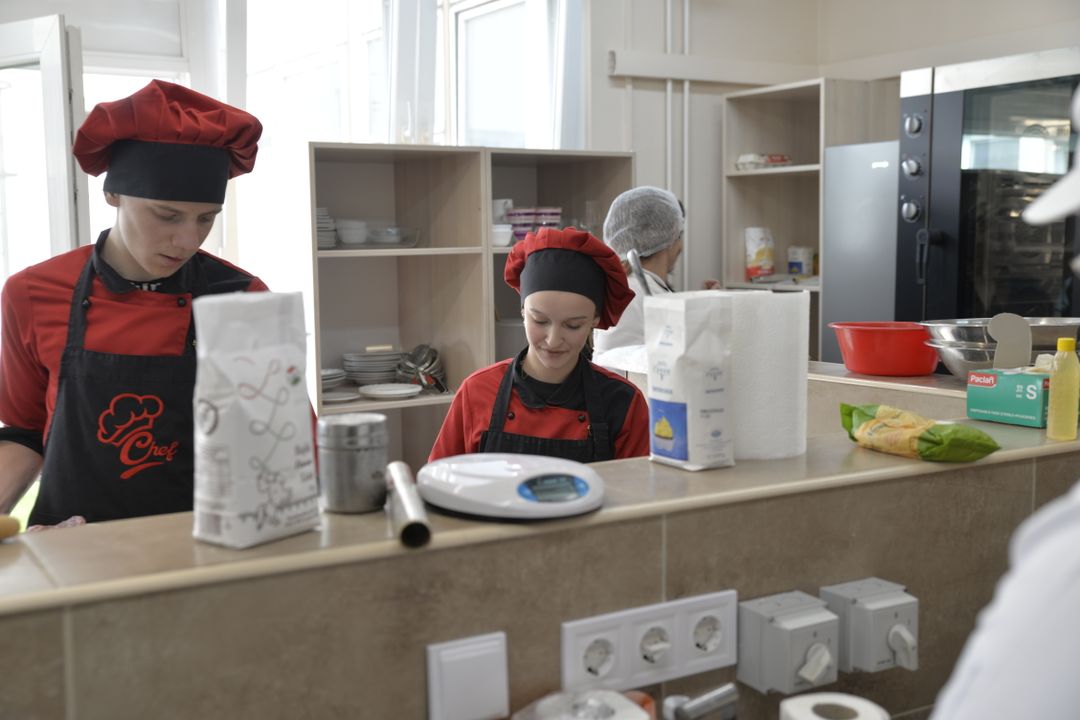
In most BHM and culinary diploma programmes, six months of industrial training at a star-category hotel is a structural requirement, not an optional add-on. Institutes arrange placements across departments: kitchen, F&B service, housekeeping, and front office. Culinary and diploma students typically rotate through multiple kitchen sections during their stint.
The rotation matters more than students expect going in. A six-month posting split across the hot line, the pastry section, and the larder gives a hotel’s Executive Chef a genuine read on a trainee’s strengths. That read shapes which department later extends a job offer. Interns who lobby to stay in a single section, even a favourite one, often lose this advantage without realising it.
Florence Academy’s Diploma in Food and Beverages and Culinary Foundation Programme both build structured internship placement into the curriculum. Students don’t have to arrange it independently, which is common at less-established institutes. See the full Diploma in Food & Beverages structure →
Citation Capsule: Six months of industrial training at a star-category hotel is a standard requirement across most Indian BHM and culinary diploma programmes, giving students structured, supervised exposure to real kitchen operations before graduation (industry norm, hospitality education sector, 2025–26). This training period is where most hotel HR departments make their genuine hiring assessment, well before any final placement interview.
How Much Do Culinary Interns Actually Get Paid in India?
Stipend varies sharply by hotel chain rather than by a single industry-wide number. In 2025, CollegeDekho’s guide to hotel management internships broke down three major chains. Oberoi Hotels pays interns around ₹8,770 per month over a typical six-month placement, sometimes shortened to 17 weeks or extended closer to a year. Marriott pays ₹5,000–₹6,000 per month over roughly six months. Taj Hotels pays around ₹1,500 per month over a 4.5–6 month industrial training stint (CollegeDekho, Top 5 Internships for Hotel Management Students, 2025).
| Hotel Chain | Monthly Stipend | Typical Duration |
|---|---|---|
| Oberoi Hotels | ₹8,770 | 6 months (17 weeks–1 year flexible) |
| Marriott | ₹5,000–₹6,000 | ~6 months |
| Taj Hotels | ~₹1,500 | 4.5–6 months |
Source: CollegeDekho, Top 5 Internships for Hotel Management Students, 2025.
The gap between Oberoi and Taj stipends is real, but it isn’t the only variable. City and hotel category matter too. A five-star property in a metro generally sits higher than a mid-scale hotel in a tier-2 city. Some institutes also negotiate paid placements upfront rather than leaving the stipend to the hotel’s discretion, which is worth asking your institute’s placement cell about directly.
Money isn’t really the point of this stage, though. The real return is the reference, the section experience, and — for the strongest performers — a conditional offer that converts the moment final results are out. Treating the stipend as the goal is a common mistake among first-year interns.
Why Is India’s Hospitality Sector So Hungry for Trained Interns?
India’s hospitality sector needs 3 million additional skilled professionals by 2028, according to the Tourism and Hospitality Skill Council’s Skill Gap Study (THSC, 2024). That gap is exactly why hotels invest real supervisory time in interns. A well-trained intern today is a hiring pipeline solution for tomorrow, not free labour.
This structural shortage changes the leverage in the relationship. A motivated, well-prepared intern isn’t competing against hundreds of equally qualified candidates. You’re one of a genuinely limited pool of people getting real kitchen hours before you’ve even graduated. That’s precisely why institutes with active placement partnerships matter so much at this stage. See which hotel chains actively hire from Ahmedabad’s culinary institutes →
At Florence Academy, we’ve watched this play out repeatedly with our own students. The intern who asks the sous chef for extra prep tasks during a slow shift, rather than waiting to be told what to do, gets remembered. Their name comes up when the hotel’s next hiring round opens. Initiative during the unglamorous stretches of an internship gets tracked far more than any single dish executed well.

Citation Capsule: India’s hospitality sector requires 3 million additional trained professionals by 2028, according to the Tourism and Hospitality Skill Council’s Skill Gap Study (THSC, 2024). This structural shortage means star-category hotels treat well-performing interns as a genuine recruitment pipeline, not disposable trainee labour. It’s a dynamic that favours students who take their industrial training seriously from day one.
Ready to start an internship-ready culinary foundation? Explore Courses at Florence Academy →
How Do Students Land a Culinary Internship Without Existing Hotel Contacts?
Institute placement partnerships help most, but they aren’t the only path. In 2025, CollegeDekho documented that students can approach a hotel’s HR or training department directly to ask about internship vacancies, submit a CV once one is confirmed, and go through a short interview from there (CollegeDekho, Top 5 Internships for Hotel Management Students, 2025). This direct-outreach route is a genuinely documented option, not a workaround.
Institute placement partnerships matter first. Hotels that repeatedly take interns from the same institute have already calibrated their expectations around that institute’s training quality. A student from an institute with an established ITC, Marriott, or Taj relationship walks in with an implicit reference already in place.
A clean, honest CV focused on kitchen fundamentals beats an inflated one. Hotel supervisors read intern CVs looking for evidence of basic kitchen discipline: knife handling exposure, food safety coursework, and genuine interest in a specific section. See how to structure a chef CV that hotel HR actually reads →
Direct outreach to smaller properties works when metro five-stars are full. Boutique hotels, standalone fine-dining restaurants, and mid-scale chains in Ahmedabad often take on interns with far less competition than a flagship Taj or Oberoi property. The kitchen exposure is frequently just as hands-on.
Timing your application to the hotel’s seasonal hiring cycle helps. Wedding season, festival catering peaks, and the winter tourist months all drive temporary staffing needs. Hotels sometimes fill these with interns first. Applying two to three months ahead of these peaks improves your odds meaningfully.
Here’s what most students miss: the institute’s placement cell isn’t just a formality that arranges your paperwork. It’s actively managing the hotel’s perception of every future intern from your batch. A student who performs poorly during their internship doesn’t just affect their own prospects. They can quietly close a placement pipeline for the next two or three years of students from that institute.

Have questions about internship placements or which Florence Academy programme leads to the strongest hotel connections? Chat with us on WhatsApp — we respond fast.
What Actually Converts an Internship Into a Job Offer?
Vedatya Institute reports that 26% of its graduates land management-trainee positions, the fast track toward a General Manager role. That’s against a roughly 2% industry average (Vedatya Institute, School of Hospitality and Tourism Management placements, 2025). That gap isn’t about talent alone. It comes down to specific, observable behaviour during the internship period itself.
Punctuality and consistency rank above raw cooking skill in almost every hotel supervisor’s mental scorecard. A trainee who’s reliably early, keeps their station clean without being reminded, and doesn’t disappear during the last hour of a shift signals professional readiness. That matters more than a single impressive dish. Kitchens run on repeated, unglamorous discipline, not flashes of brilliance.
Asking specific, well-timed questions is the second major signal, rather than staying silent or asking about things you could have looked up. Supervisors remember interns who show they’re thinking about the “why” behind a technique, not just executing steps mechanically. See the Commis Chef career path that internships feed into →
Finally, staying past your minimum internship period when a hotel offers an extension is one of the strongest conversion signals in the entire process, even informally. It tells a chef de cuisine that you’re evaluating them as much as they’re evaluating you. It also signals that you’ve already decided this could be your first real job.
Frequently Asked Questions
Is a culinary internship mandatory for hotel management or culinary diploma students in India?
At most institutes, yes — six months of industrial training at a star-category hotel is a core, structured requirement of BHM and culinary diploma programmes, not an optional extra. Institutes typically arrange the placement directly, rotating students across kitchen sections during the stint (industry norm, 2025–26). Florence Academy builds this into its Diploma in Food and Beverages and Culinary Foundation Programme.
How much does a culinary intern get paid in India?
Stipend varies sharply by hotel chain: Oberoi pays around ₹8,770/month, Marriott ₹5,000–₹6,000/month, and Taj Hotels around ₹1,500/month, according to CollegeDekho’s 2025 breakdown of hotel management internships. City and hotel category also affect the figure, so it’s worth confirming directly with your institute’s placement cell before your internship begins.
Can I get a culinary internship without any hotel contacts?
Yes. Institute placement partnerships are the biggest lever for students starting from zero. CollegeDekho’s reporting confirms direct HR outreach is a genuinely documented path too: contacting a hotel’s training department, submitting a CV, and interviewing from there. Direct outreach to boutique or mid-scale properties, plus applying ahead of seasonal hiring peaks, also improve your odds.
What actually gets an intern converted into a permanent job offer?
Punctuality, consistency, and genuine engagement matter more than raw cooking talent. Supervisors track whether an intern shows up early, keeps their station clean without prompting, asks thoughtful questions, and stays past the minimum period when a hotel offers an extension. Vedatya Institute reports converting 26% of graduates into management-trainee roles, against a roughly 2% industry average, largely through this kind of consistent, observable professionalism.
How does Florence Academy support students during internship placement?
Florence Academy’s placement cell arranges industrial training directly with partner hotels, including ITC Narmada in Ahmedabad, rather than leaving students to find placements independently. Students receive guidance on CV preparation, section selection, and professional conduct expectations before their placement begins. Learn about Florence Academy’s diploma programmes →
The Bottom Line
A culinary internship in India is not a formality between classroom learning and your first job. It’s the actual interview, stretched across six months, where hotel supervisors quietly decide who’s worth hiring. Punctuality, section discipline, and initiative during slow shifts matter more than any single standout dish.
India’s hospitality sector needs 3 million more trained professionals by 2028 (THSC, 2024), which means a genuinely well-prepared intern is scarcer than most students assume. Pick an institute with active placement partnerships, treat your industrial training as the real hiring decision it is, and the conversion into a permanent offer follows far more often than students expect.
Join 2,000+ students who’ve trained with expert chefs at Florence Academy, Ahmedabad.
Explore Diploma Programs at Florence Academy →
Phone: +91 6351665305 | +91 8320715588


