

You’ve finished your culinary course, your CV is ready, and a hotel or restaurant has finally called you in. Now what? In 2026, India’s travel and hospitality sector is projecting 5.1% net employment growth for the first half of FY2026-27. 63% of surveyed employers plan to grow their teams this year (TeamLease Services, Employment Outlook Report, 2026). Kitchens are hiring — but a chef job interview isn’t like a typical office interview, and most candidates walk in unprepared for the parts that actually decide the outcome.
how to become a chef in India →
Key Takeaways
– Hotel kitchen hiring in India runs on three stages: CV review, a practical cooking trial, and a personal interview — and the trial usually matters more than the conversation.
– India’s hospitality sector is projecting 5.1% net employment growth for 2026-27, with 63% of employers planning to grow their teams (TeamLease Services, 2026).
– Commis Chef Grade 1 (diploma holders) starts at ₹15,000-₹25,000/month; Grade 3 (non-diploma entrants) starts lower, around ₹10,000-₹15,000/month.
– NSDC/THSC-certified candidates get prioritised shortlisting because certification signals verified skill, not just claimed skill.
– The practical trial is judged on technique, hygiene, and composure under time pressure — not on how impressive your final plate looks.
How Does Hotel Kitchen Hiring Actually Work in India?
Most hotel kitchen hiring in India runs through three distinct stages. Unlike a typical office role, the practical trial carries the most weight in the final decision. It shows how you actually behave at a station, not just how well you can talk about it.
- CV screen — HR checks for a completed course, any prior kitchen exposure, and basic formatting.
- Practical cooking trial — a hands-on task at a live station, usually with the Sous Chef watching.
- Personal interview — a conversation with the Sous Chef or Executive Chef, often after the trial, not before it.
The CV stage is a filter, not a decision. Even a short internship counts in your favour here. A cluttered, error-filled CV gets set aside quickly regardless of talent. If you’re applying through your institute’s placement cell rather than cold, this stage often gets skipped entirely — the introduction already carries trust.
| Entry Point | Typical Starting Salary | Who Qualifies |
|---|---|---|
| Commis Chef Grade 1 | ₹15,000-₹25,000/month | NSDC/AHLEI-recognised diploma holders |
| Commis Chef Grade 3 | ₹10,000-₹15,000/month | Class 12 pass, no formal culinary diploma |
Salary ranges reflect 5-star hotel and standalone restaurant entry-level roles in India; exact figures vary by city and property tier.

The practical trial is where most candidates get caught off guard. You’ll typically be handed a basic task: uniform knife cuts, a stock, a simple sauce, or a plated dish using ingredients on hand. It’s less about creativity and more about whether your fundamentals are clean under time pressure, with other cooks working around you.
Candidates who’ve only cooked in a home kitchen or a classroom setting consistently underestimate how different a live trial feels. The noise, the shared workspace, and a senior chef watching your hands instead of your final plate all change how you perform. Structured trial simulations before the real thing close that gap faster than any amount of reading.
commis chef career path — first 5 years →
What Questions Come Up in a Chef Job Interview?
Interview questions in a kitchen hiring context split into three buckets: technical knowledge, situational judgment, and motivation — and hotels weight situational questions more heavily than most candidates expect, because attitude under pressure predicts retention better than raw skill does.
Technical questions confirm you know what you claim to know. Expect things like: “Walk me through mise en place for a dinner service,” “What’s the difference between blanching and parboiling?”, or “How do you store raw chicken versus cooked rice in a walk-in?” These aren’t trick questions — they’re checking whether your course actually stuck.
Situational questions are where most candidates freeze. “What would you do if a senior chef criticised your work in front of the team?” or “You’re 20 covers deep and out of a key ingredient — what now?” There’s no single right answer here. Interviewers are watching whether you stay calm, take ownership, and avoid excuses.
Motivation questions — “Why this hotel?” and “Where do you see yourself in five years?” — are simple to prepare for but frequently skipped. Candidates who can’t name anything specific about the property come across as applying anywhere, not choosing this kitchen. A quick look at the hotel’s brand, cuisine focus, and recent openings before you walk in fixes this instantly.
What we see at placements: Students who rehearse a mock interview with a chef mentor before their real one show noticeably higher composure in the practical trial. The questions don’t change — but the unfamiliarity of being watched wears off in advance.
what is NSDC certification and why it matters for chef jobs →
How Should You Prepare for the Practical Cooking Trial?
The practical trial is judged on four things: knife technique, hygiene discipline, speed under pressure, and how you handle a mistake in real time — not on how elaborate the dish looks. A chef who forgets to wash their hands after handling raw protein loses the trial in that instant, regardless of how the final plate turns out.
Bring your own kit if you can — a personal knife set, a clean apron, and a notebook. Turning up empty-handed, expecting the kitchen to supply everything, is a small but visible signal that reads as unprepared. Most institutes issue a starter kit as part of diploma programs specifically so this isn’t a barrier.
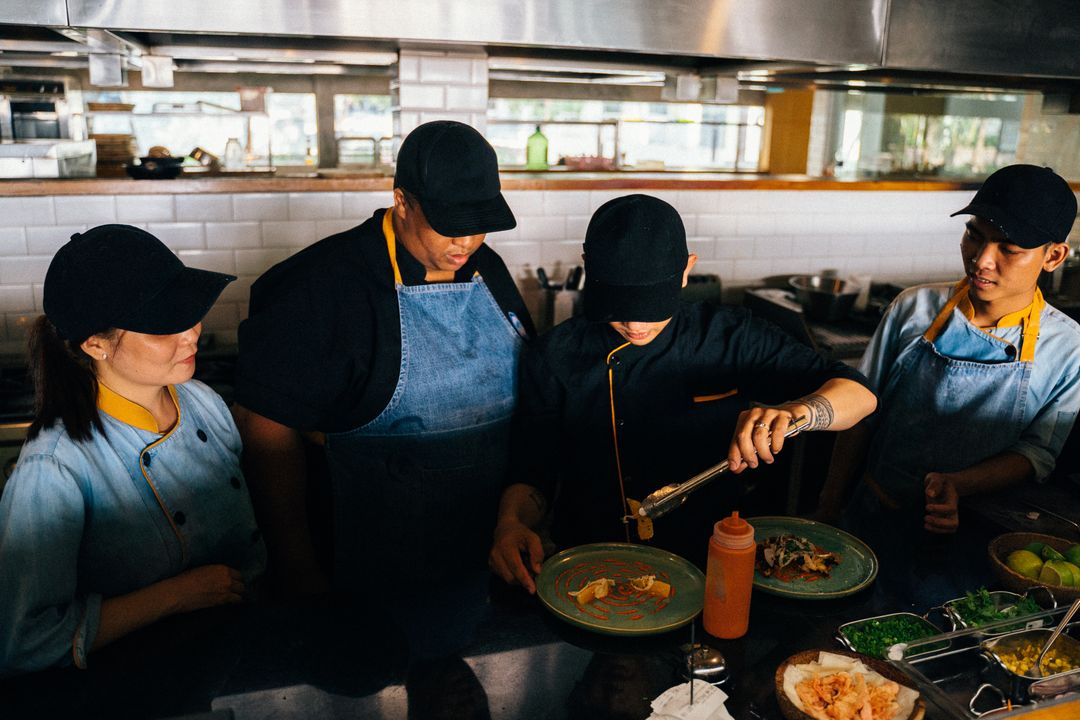
Speed matters, but not at the cost of cleanliness. A rushed cook who leaves a messy station reads worse than a slightly slower cook who works clean — because the kitchen is imagining you at full dinner service, where mess compounds fast. Wipe your board between tasks. Keep your station organised. Narrate what you’re doing if the chef asks — it shows process, not just output.
If something goes wrong — you over-salt, you drop a knife, you mistime a step — say so and correct it rather than trying to hide it. Executive chefs consistently rate honest recovery higher than a flawless run. Real service always includes mistakes, and how you handle them under a senior chef’s eye is exactly what the trial is testing.
Florence Academy diploma programs — what you learn, what you earn →
What Mistakes Actually Cost Candidates the Offer?
Poor hygiene habits, weak knife fundamentals, and a defensive attitude toward feedback are the three most common reasons culinary graduates lose an offer after an otherwise decent trial — not lack of creativity or advanced technique, which entry-level roles don’t require anyway. Hotels aren’t hiring you to be brilliant on day one. They’re hiring you to be trainable.
Arriving late, even by five minutes, reads as a preview of how you’ll treat service timing later. Kitchens run on strict standard operating procedure (SOP) schedules, where one late person affects the whole prep chain. Interviewers notice who accounted for traffic and arrived early far more than they notice a slightly weaker knife cut.
Overselling your skills is a quieter mistake that backfires fast. Claiming fluency in techniques you’ve only seen once invites a practical test you’ll fail. Simply saying “I’ve done this in class, not yet in a live kitchen” builds more trust than the gap between claim and performance ever will.
Chef Monila Surana has observed a consistent pattern in placement interviews: candidates who ask a clarifying question before starting a trial task come across better than those who dive in immediately guessing at what’s expected — even when both produce a similar result.
how to get placed at ITC Hotels, Marriott, and top Gujarat restaurants →
How Should You Follow Up After the Interview?
A short thank-you message within 24 hours, sent to whoever coordinated the interview, keeps you visible without being pushy. It costs nothing, and it genuinely improves recall when multiple candidates blur together after a long day of trials. Keep it to two or three lines: thanks for the time, one specific thing you enjoyed about the kitchen or team, and confirmation of your interest.
Asking about next steps and a realistic timeline during the interview itself avoids the anxious guessing game afterward. Most entry-level hotel kitchen roles in India move from CV to offer within one to three weeks. Standalone restaurants often decide faster than large hotel chains, which sometimes require a second interview with the Executive Chef before confirming.
If you don’t hear back within the stated timeline, one polite follow-up is appropriate — asking, not chasing. Silence for two to three weeks beyond what was promised usually means the role went to another candidate, and it’s reasonable to keep applying elsewhere rather than waiting indefinitely on a single opportunity.
Ready to learn from expert chefs? Explore Courses at Florence Academy →
Frequently Asked Questions
What should I wear to a hotel kitchen job interview in India?
Wear clean, ironed formal clothes for the interview portion and bring your own chef whites, apron, and knife kit for the practical trial. Hotels notice grooming closely in kitchen roles — trimmed nails, tied-back hair, and no strong perfume are unwritten but strictly enforced standards.
Do I need a diploma to get a commis chef interview in India?
No, but it significantly improves your odds. Many hotels accept Class 12 candidates for Commis Grade 3, while NSDC or AHLEI-recognised diploma holders enter at Grade 1 with structured placement support and are prioritised in shortlisting over walk-in applicants.
how to enrol at Florence Academy, Ahmedabad →
What happens in a practical cooking trial for a chef job?
You’re usually given a basic task — knife cuts, a stock, or a simple dish — and observed on technique, cleanliness, and speed under time pressure. Sous chefs weigh this stage more heavily than the spoken interview, since it shows real kitchen behaviour rather than rehearsed answers.
How long does the hotel kitchen hiring process take in India?
Typically 1-3 weeks from CV submission to offer for entry-level roles, though it can happen in a single day if you’re hired through a culinary institute’s placement drive. Standalone restaurants usually move faster than 5-star hotel chains, which often require a second interview with the Executive Chef.
Should I ask questions at the end of a chef job interview?
Yes. Asking about station rotation, mentorship structure, or growth timeline signals genuine interest and long-term thinking. Avoid leading with questions about salary or leave policy — save those for after an offer is extended, once the kitchen has decided it wants you.
pastry chef career path — salary and how to start →
Conclusion
A chef job interview isn’t won in the conversation — it’s won at the station, under time pressure, with a senior chef watching your hands. The technical knowledge matters, but hygiene discipline, composure, and how you recover from a small mistake matter more, because those are the things a kitchen can’t teach you in week one.
Preparation isn’t complicated. Know the hotel. Bring your own kit. Show up early. Keep your station clean. Answer honestly when something goes wrong instead of hiding it. Candidates who do these ordinary things consistently outperform candidates chasing an impressive final plate.
If you’re building toward your first kitchen interview, the right training closes the gap between classroom technique and live-trial composure long before the hotel ever calls you in.
Have questions? Chat with us on WhatsApp — we respond fast.
About the Author
This guide was written by Chef Monila Surana (Managing Partner, 18 years of culinary education experience) at Florence Academy of World Cuisines. Learn more about the Florence Academy faculty →


