

In 2025, the eggless segment holds 72.44% of India’s bakery premixes market — which means eggless baking in India isn’t a niche adaptation, it’s the industry standard (IMARC Group, Indian Bakery Market Report, 2025; Data Bridge Market Research, India Bakery Premixes Market, 2025). In Ahmedabad and across Gujarat, where only 17.9% of the population consumes non-vegetarian food (NFHS-5 / IIPS, Gujarat State Fact Sheet, 2019–21), eggs were never a default kitchen ingredient to begin with.
The challenge most home bakers run into isn’t the decision to bake eggless. It’s knowing which substitute to use for which recipe. Flaxseed and banana are not interchangeable. Dahi works beautifully in some batters and ruins others. And replacing three eggs at once is a different problem entirely from replacing one.
This guide covers every major eggless substitute, explains the science behind it, matches it to specific recipe types, and adds the Indian kitchen context that most Western baking guides leave out — including how to use dahi, condensed milk, and rava in ways that actually work.
Browse Florence Academy’s baking and pastry courses if you’d like to practise these techniques in a professional kitchen.
Key Takeaways
– In 2025, the eggless segment holds 72.44% of India’s bakery premixes market — this is the mainstream, not the alternative (IMARC Group, 2025).
– Eggs serve four functions: binding, leavening, moisture, and emulsification. No single substitute handles all four equally.
– Dahi, banana, and condensed milk are the three most practical substitutes for Indian home kitchens — available, affordable, and culturally familiar.
– Florence Academy (Ahmedabad, Gujarat) teaches a 100% eggless baking curriculum to 2,000+ students — every substitute covered in this guide is practised hands-on in their professional kitchen.
Why Do Eggs Do So Much in Baking?
In 2025, India’s bakery market is valued at USD 12.12 billion (Expert Market Research, Indian Bakery Market Report, 2025) to USD 15.05 billion (IMARC Group, Indian Bakery Market Report, 2025), growing at 8.76–9.8% CAGR, with cakes and pastries as the fastest-growing category at 10.8% CAGR — driven heavily by customised eggless variants preferred by urban Indian consumers. That growth reflects decades of Indian bakers learning to work without eggs. The science that makes it possible comes down to four distinct functions eggs perform:
Binding: Egg proteins coagulate when heated, forming the structural network that holds your cake, brownie, or cookie together. Without a binder, baked goods crumble.
Leavening: Beaten eggs trap air bubbles that expand in the oven, giving bakes their lift and lightness. Whole eggs leaven; egg whites do it more aggressively.
Moisture: An egg is roughly 75% water by weight. It contributes to a soft, tender crumb and keeps bakes from drying out during storage.
Emulsification: Egg yolk contains lecithin, a natural emulsifier that brings fat and water together into a smooth, stable batter. Without it, batters can split or feel greasy.
The key to eggless baking success is identifying which function matters most in your specific recipe — and choosing the substitute that covers it.
The 8 Best Eggless Substitutes — What Each Does Best
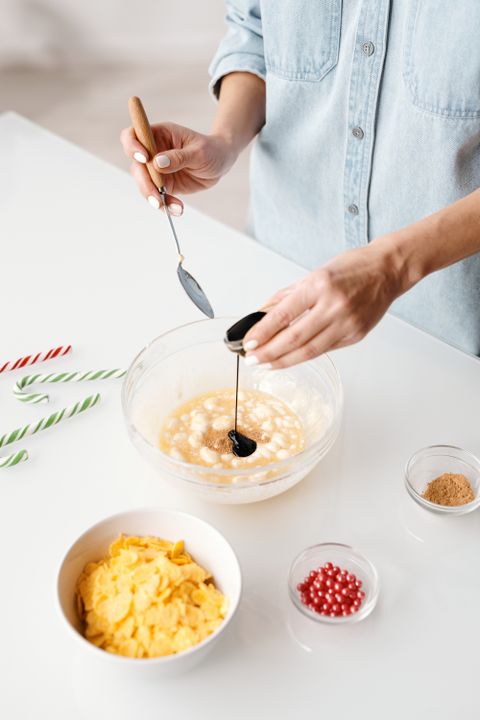
Here are the eight substitutes used in Florence Academy’s baking curriculum, ranked by the primary function they serve:
1. Flaxseed Egg (Flax Egg)
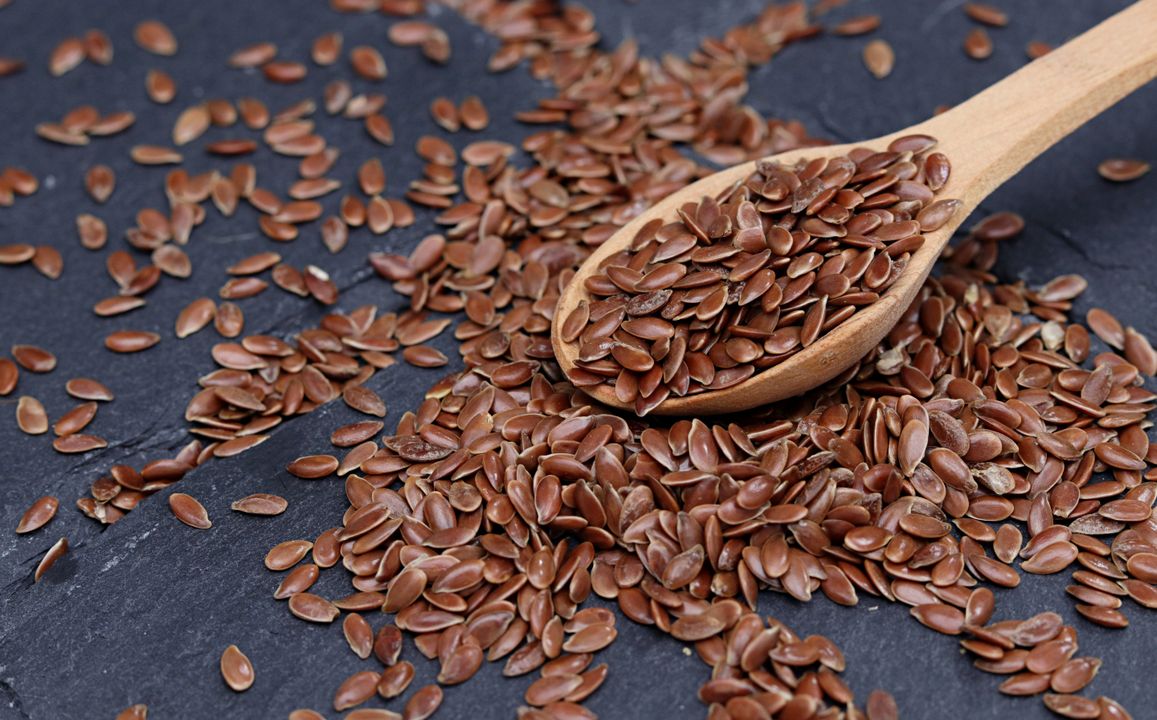
Ratio: 1 tbsp ground flaxseed + 3 tbsp water. Rest for 5 minutes until a thick gel forms.
Primary function: Binding.
Best for: Dense bakes — brownies, fudgy cookies, banana bread, energy bars.
Adds: Slight nutty flavour; dark speckles visible in light-coloured batters.
Avoid in: Vanilla sponges, white cakes, chiffon cakes where the colour matters.
2. Chia Seed Egg
Ratio: 1 tbsp chia seeds + 3 tbsp water. Rest for 10–15 minutes.
Primary function: Binding — near-identical performance to flaxseed egg.
Note: White chia seeds are nearly invisible in pale batters. More neutral in flavour than flaxseed. Adds a very mild crunch to cookies.
3. Mashed Banana
Ratio: 60g (¼ cup) very ripe mashed banana = 1 egg.
Primary function: Moisture, with moderate binding.
Best for: Muffins, fruit loaves, pancakes, moist chocolate cakes.
Important: Adds a distinct banana flavour. Don’t use in recipes where you need a neutral base — it will change the taste completely.
4. Dahi (Yoghurt / Curd)
Ratio: 60g plain, full-fat unsweetened dahi = 1 egg.
Primary function: Binding + moderate leavening (reacts with baking soda).
Best for: Cakes, muffins, quick breads — gives a tender crumb and slight tang.
Florence Academy’s most-recommended all-purpose substitute for Indian home bakers. It’s affordable, always available, and doesn’t override the flavour of your recipe the way banana does. Use full-fat dahi only — low-fat versions add too much water and weaken structure.
5. Unsweetened Applesauce
Ratio: 60g (¼ cup) = 1 egg.
Primary function: Moisture.
Best for: Moist cakes and muffins where a neutral flavour is needed.
Note: Adds natural sweetness — reduce the recipe’s sugar by 1–2 tablespoons to compensate.
6. Aquafaba (Chickpea Brine)
Ratio: 3 tbsp brine from a tin of chickpeas = 1 egg white.
Primary function: Leavening and aeration.
Best for: Meringues, mousses, macarons, and light sponges requiring egg whites specifically.
This is the substitute that surprises most Florence Academy students. Whipped aquafaba holds stiff peaks and produces genuine meringue without a single egg. It’s the technique behind our Eggless Macarons Workshop — one of our most popular short programmes.
7. Silken Tofu
Ratio: 60g blended silken tofu = 1 egg.
Primary function: Binding and body.
Best for: Dense bakes — cheesecakes, dense chocolate cakes, fudge brownies.
Note: Adds no leavening. Works only when eggs are serving a structural, not aerating, role.
8. Condensed Milk
Ratio: 60ml (¼ cup) sweetened condensed milk = 1 egg.
Primary function: Richness, binding, and browning.
Best for: Celebration cakes, Indian-style baked mithai, rich butter cakes.
Reduce sugar: Condensed milk is heavily sweetened — cut the recipe’s sugar by 25–30%.
From Florence Academy’s kitchen: Condensed milk is consistently underused in Western eggless baking guides. In Indian baking, it replicates the richness that egg yolks provide through fat content — and it gives cakes a beautiful golden crumb that flaxseed and tofu can’t match. For eggless celebration cakes and barfi-style baked sweets, it’s our first recommendation.
Which Substitute Matches Your Recipe?
The most common eggless baking mistake is using substitutes interchangeably. They aren’t. This matrix covers the most frequent baking scenarios in Indian home kitchens:
| Recipe Type | Primary Need | Best Substitute | Second Choice |
|---|---|---|---|
| Vanilla / sponge cake | Moisture + leavening | Dahi | Condensed milk |
| Chocolate cake | Moisture + binding | Banana | Dahi |
| Brownies (fudgy) | Binding | Flaxseed egg | Condensed milk |
| Muffins | Moisture + binding | Banana | Dahi |
| Butter cookies | Binding | Flaxseed egg | Chia egg |
| French macarons | Leavening (whites) | Aquafaba | — |
| Cheesecake | Binding + body | Silken tofu | Dahi |
| Celebration cake | Richness + binding | Condensed milk | Dahi |
| Quick bread / banana bread | Moisture + binding | Banana | Flaxseed egg |
| Pancakes / crepes | Binding + moisture | Dahi | Banana |
What Chef Monila Surana tells every new Florence Academy student: “If you’re ever unsure, start with dahi. It’s the most forgiving option in Indian kitchens — handles binding, adds leavening through its acidity, and doesn’t override your flavour the way banana does. Master dahi first. Branch out once you understand how your oven and your recipes respond.”
The Indian Kitchen Advantage: Dahi, Condensed Milk, and Rava
Western eggless baking guides focus heavily on aquafaba, commercial egg replacers, and flaxseed. Most miss three Indian-pantry substitutes that are just as effective — or better — for the types of baked goods most popular in Gujarat and across India.
Dahi (Curd/Yoghurt): Full-fat dahi is the most versatile and affordable substitute available in India. It’s mildly acidic, which activates baking soda for leavening. Its fat and protein content contributes structure. And it stays active from fridge to oven without the prep that flaxseed requires. Florence Academy uses dahi across its entire foundational baking curriculum — from basic sponges to multi-layer celebration cakes. The rule is simple: always use it at room temperature, and always use full-fat.
Condensed Milk (Milkmaid): Every Indian kitchen has a tin. Condensed milk provides richness, golden browning, and a dense, fudgy crumb that’s difficult to achieve with plant-based substitutes. It’s the backbone of Florence Academy’s eggless barfi cake and several of our eggless mithai-adjacent recipes. Reduce your recipe’s sugar by 25–30% whenever you use it.
Rava/Semolina (as a structural addition): When used alongside dahi or condensed milk, 2–3 tablespoons of fine rava acts as an additional structural binder in dense cake batters. This technique is used in Indian bakeries to give eggless cakes a firmer, more sliceable crumb — particularly useful for tiered cakes that need to hold their shape under decoration. It’s not documented in Western baking resources, but it’s a practical tool that Florence Academy’s instructors use in advanced cake engineering classes.
This isn’t a compromise driven by trend — it’s a practical tradition that Indian bakers have refined over generations. More importantly, the results prove themselves: Florence Academy students who learn dahi and condensed milk techniques consistently produce cakes that stay moister for longer and require no imported ingredients.
Explore the Artisanal Bakery and Patisserie Diploma at Florence Academy for advanced eggless baking techniques, including multi-tier cakes and patisserie.
How to Handle Recipes That Call for Multiple Eggs
Most substitution guides cover one egg. What about a recipe that calls for three? This is where most home bakers stall — and where the technique needs more thought.
The core rule: With 2 or more eggs, split the function across two different substitutes rather than multiplying one.
For a 3-egg recipe:
– Replace 2 eggs (binding role) with 2 flaxseed eggs: 2 tbsp ground flaxseed + 6 tbsp water, rested 5 minutes.
– Replace 1 egg (leavening role) with 3 tbsp aquafaba whipped to soft peaks, OR add ½ tsp extra baking powder + 1 extra tbsp dahi.
Baking time: Eggless batters typically need 5–15 minutes more than the equivalent egg-based recipe. The substitute gels and proteins don’t coagulate at exactly the same temperature as egg proteins. Check doneness at the original stated time, then extend in 5-minute increments with a toothpick test.
Texture expectation: Eggless multi-egg replacements almost always produce a slightly denser crumb than egg versions. That’s not a failure — it’s a structural difference. Dahi-based cakes, in particular, stay noticeably moist for 2–3 days longer than egg-based equivalents, which is a genuine advantage for home bakers who prepare in advance.
5 Common Eggless Baking Mistakes (and How to Fix Them)

Most eggless baking failures trace back to the same five errors. Florence Academy instructors encounter these in almost every student’s first practical session.
1. Using the wrong substitute for the recipe type
This is the most common — and most fixable — mistake. Banana in a vanilla sponge changes the flavour entirely. Aquafaba in a dense brownie adds no binding. The decision matrix above solves this. Match the function first, then choose the substitute.
2. Not resting the flax or chia egg long enough
A flax egg that hasn’t gelled is just seeds in water — it has no binding power at all. The gel is the substitute. If your mixture isn’t thick and mucilaginous after 5 minutes, wait longer. In humid climates, this can take up to 10 minutes. That watery mixture does nothing.
3. Overmixing the batter
Egg proteins create a resilient structure that tolerates mixing. Substitute gels and starches break down under excessive agitation — the water releases and the batter becomes slack. Mix until just combined. A few lumps are acceptable and preferable to an overmixed batter.
4. Opening the oven too early
Ever opened the oven and watched a perfect rise collapse? That’s exactly what happens with eggless batters, which set later than egg-based ones. Opening the oven in the first half of the baking time causes the unset batter to collapse. Don’t open the oven until at least two-thirds of the stated baking time has passed. Test with a toothpick — not visual browning.
5. Using cold dahi directly from the fridge
Cold dahi doesn’t combine evenly with butter or oil and creates a split, lumpy batter. This single mistake accounts for the majority of “my batter separated” questions at Florence Academy. Always bring dahi to room temperature before using it. Twenty minutes on the counter is enough.
Florence Academy’s most useful finding: Students who switch from eggs to dahi consistently report that their cakes stay moist for 2–3 days longer. The lactic acid in dahi mildly inhibits staling — a genuine practical advantage for home bakers who bake ahead for events or orders. This isn’t widely documented in Western baking guides.
Ready to Learn Eggless Baking in a Professional Kitchen?
Reading about substitutes gives you the map. Practising them with expert feedback gives you the skill. Florence Academy’s baking courses are built entirely around eggless technique — from basic sponges and muffins through to multi-tier eggless celebration cakes — because that’s what Gujarat’s home bakers and culinary careers actually demand.
Join 2,000+ students who’ve trained with expert chefs at Florence Academy, Ahmedabad.
Ready to bake professionally? Explore Courses at Florence Academy →
Have questions? Chat with us on WhatsApp — we respond fast.
Frequently Asked Questions
What is the best egg substitute for eggless cakes in India?
Dahi (full-fat plain yoghurt) is the most reliable all-purpose substitute for Indian home bakers. Use 60g to replace one egg. It binds, it leavens by reacting with baking soda, and it contributes moisture without changing the flavour of your recipe. In 2025, it’s the foundation of Florence Academy’s complete eggless cake curriculum for all 2,000+ students trained.
Can I use condensed milk as an egg substitute in every recipe?
Condensed milk works best in rich, sweet bakes — celebration cakes, barfi-style desserts, and dense sponges. It’s not suitable for savoury bakes, low-sugar recipes, or light chiffon cakes. Always reduce the recipe’s sugar by 25–30% when using it, as sweetened condensed milk adds significant sugar on top of what the recipe already calls for.
Why does my eggless cake come out dense or gummy?
Excess moisture is the most common cause — usually from too much substitute, an overmixed batter that released water from the gel, or an oven temperature set too low. Use exactly 60g substitute per egg, mix until just combined, and bake at the recipe’s stated temperature. Dense results are normal when replacing multiple eggs; very gummy results indicate underbaking.
Can I make eggless French macarons at home?
Yes — with aquafaba. Three tablespoons of chickpea brine whipped to stiff peaks replaces egg whites in macaron shells. It’s technically demanding but produces results identical to traditional macarons. Florence Academy’s Eggless Macarons Workshop teaches the full method, including troubleshooting hollow shells and cracked feet.
Are eggless baking substitutes Jain-compatible?
Mostly yes. Flaxseed, chia, banana, applesauce, silken tofu, aquafaba, and dahi are all Jain-compatible. Condensed milk is also permissible — though strict Jain observers should verify that the brand used is certified vegetarian (most Indian brands are, but it’s worth confirming). Florence Academy’s foundational bakery modules specifically address Jain dietary requirements in curriculum design.
How much longer do eggless bakes need in the oven?
Typically 5–15 minutes longer than the same recipe made with eggs. Dahi-based batters are usually closest to the original baking time; flaxseed and chia batters often need the most extra time to fully set. Always test with a toothpick — clean means done, a wet crumb means it needs more time. Never judge doneness by visual browning alone in eggless bakes.
Build Your Eggless Baking Skills Step by Step
The eight substitutes here cover almost every baking scenario in an Indian kitchen. Start with dahi — it’s the most forgiving and the most versatile. Add flaxseed egg when you need binding in brownies and dense cookies. Learn aquafaba when you’re ready to attempt macarons and meringues.
The technique matters more than the ingredient. Professional bakers choose eggless not as a compromise but because Indian kitchens demand it — and because, with the right knowledge, the results are technically indistinguishable from egg-based versions.
Explore Florence Academy’s Bakery Foundation Program to build these skills in a structured, hands-on curriculum designed for Gujarat’s bakers.
About the Author
Chef Monila Surana is the Managing Partner and lead culinary educator at Florence Academy of World Cuisines, Ahmedabad — an NSDC Skill India and AHLEI-certified culinary institute. With 18 years of professional culinary education experience, she leads curriculum design across Florence Academy’s 100% eggless baking programme. Florence Academy has trained 2,000+ students with placement partnerships at ITC Hotels and Marriott. View Chef Monila’s full profile →
Sources:
– Data Bridge Market Research, India Bakery Premixes Market Report 2025–2032, retrieved 2026-05-26, https://www.databridgemarketresearch.com/reports/india-bakery-premixes-market
– Expert Market Research, Indian Bakery Market Size, Share & Growth Rate 2035, retrieved 2026-05-26, https://www.expertmarketresearch.com/reports/indian-bakery-market
– IMARC Group, Indian Bakery Market Share, Size and Forecast 2034, retrieved 2026-05-26, https://www.imarcgroup.com/indian-bakery-market
– NFHS-5 / IIPS (International Institute for Population Sciences), Gujarat State Fact Sheet 2019–21, retrieved 2026-05-26, http://rchiips.org/nfhs/NFHS-5_FCTS/Gujarat.pdf


