

Bomboloni and doughnuts look nearly identical from across a bakery counter. Both are fried. Both are round. Both are sugared. But once you understand the dough, the technique, and the shelf life, they’re completely different products that suit different settings and different menus. European pastry in India has grown fast, with industry reports citing 18% growth in Italian and French pastry menus at urban Indian cafés between 2022 and 2024 (National Restaurant Association of India, 2024). If you’re a home baker deciding which to learn first, or a café owner deciding which to stock, this guide covers both in full: what sets them apart, how to make each from scratch, and when each is the right call.
lamination and enriched dough technique →
Key Takeaways
– Bomboloni use a richer, higher-egg dough and last only 4-6 hours; doughnuts last up to 24 hours glazed.
– Bomboloni are always filled; doughnuts can be filled, glazed, or left as rings.
– Both recipes have tested eggless versions using aquafaba or condensed milk.
– Frying temperature matters: 170°C for bomboloni, 175°C for doughnuts.
– European-style pastry menus grew 18% at Indian urban cafés from 2022-2024 (NRAI, 2024), making both products increasingly viable.
What Is the Difference Between Bomboloni and Doughnuts?
European pastry trends have brought both bomboloni and American-style doughnuts onto Indian café menus, but the two products are built on different principles. Italian pastry data shows bomboloni contain a higher egg-to-flour ratio than standard doughnuts, which is what makes them richer, more delicate, and far more time-sensitive (King Arthur Baking, 2023). Understanding the structural difference tells you everything about how to handle, serve, and price each product.
| Feature | Bomboloni | Doughnut |
|---|---|---|
| Origin | Tuscany, Italy | Dutch/American (oliebollen to doughnut) |
| Dough type | Enriched yeasted, brioche-style | Yeasted or cake-style (baking powder) |
| Texture | Pillowy, tender, airy crumb | Slightly chewier (yeasted) or denser (cake) |
| Fill | Always filled – cream, custard, jam | Optional – glazed, filled, or ring |
| Sugar coating | Dusted in caster or icing sugar | Glazed, iced, or sprinkled |
| Best served | Fresh, same day – 4-hour window | More forgiving – stays good 24 hours |
| Shelf life | 4-6 hours max | Up to 24 hours if glazed |
| Typical size | Smaller, 40-50g | Larger, 60-80g |
The higher egg content in bomboloni dough creates a more open, tender crumb. That open crumb is also what causes them to stale faster. Once the cream filling is piped in, the interior moisture migrates outward within a few hours, softening the sugar crust. Doughnuts, with less egg and a glaze seal on the outside, resist that moisture migration much longer.
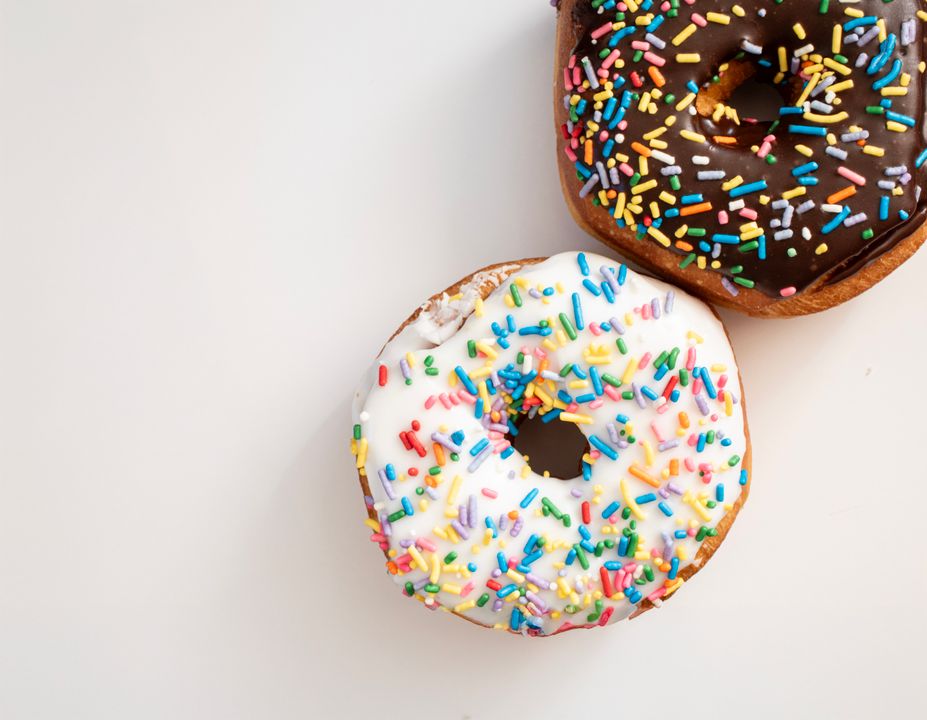
Citation capsule: According to a 2024 NRAI industry report, European-style pastry options, including bomboloni, have grown by 18% on Indian urban café menus since 2022, driven primarily by customers aged 18-35 in Tier 1 and Tier 2 cities (National Restaurant Association of India, 2024).
enriched pastry doughs including brioche-style →
How Do You Make Classic Bomboloni?
Bomboloni dough is classified as an enriched yeasted dough, meaning it contains a higher proportion of fat and egg than a lean bread dough. According to King Arthur Baking’s enriched dough guidelines, doughs with 15-20% fat-to-flour ratios require longer knead times and gentler proofing to develop proper gluten structure without tightening (King Arthur Baking, 2023). Getting this balance right is what separates a light, airy bomboloni from a dense, bready one.
Bomboloni Dough Ingredients
- 500g all-purpose flour
- 80g caster sugar
- 5g fine salt
- 10g instant yeast
- 4 egg yolks (eggless option: 120ml aquafaba or 60ml condensed milk + 60ml full-fat yoghurt)
- 200ml warm milk (not hot – 38-40°C)
- 100g unsalted butter, softened
Mixing and Proofing
Combine flour, sugar, salt, and yeast in a large bowl. Add egg yolks and warm milk. Mix until a shaggy dough forms, then knead by hand for 10 minutes or by stand mixer on medium for 7 minutes. The dough will feel sticky and soft. Don’t add more flour. Add softened butter in three batches, kneading fully between each addition.
: Chef Monila recalls the first time she worked through an authentic Italian bomboloni recipe. The dough felt far too wet to handle, and every instinct said to add flour. She didn’t, and the result was the correct open, pillowy crumb. That wet dough is exactly what creates the airy texture. Resist the temptation to tighten it.
Cover the dough and proof at room temperature for 1 hour, until doubled.
Shaping and Second Proof
Roll the dough on a lightly floured surface to 1.5cm thickness. Cut rounds with a 6cm round cutter. Place on a parchment-lined tray, cover loosely, and proof for 30-45 minutes until visibly puffy.
Frying Bomboloni
Heat refined groundnut oil or sunflower oil to 170°C. Lower 3-4 rounds at a time into the oil. Fry for 2 minutes on the first side, then turn and fry 2 more minutes until deep golden. The lower temperature (compared to doughnuts) allows the thicker dough to cook through without burning the outside. Drain on a wire rack, not on paper towels. Paper creates steam underneath, which softens the crust.
Filling and Finishing
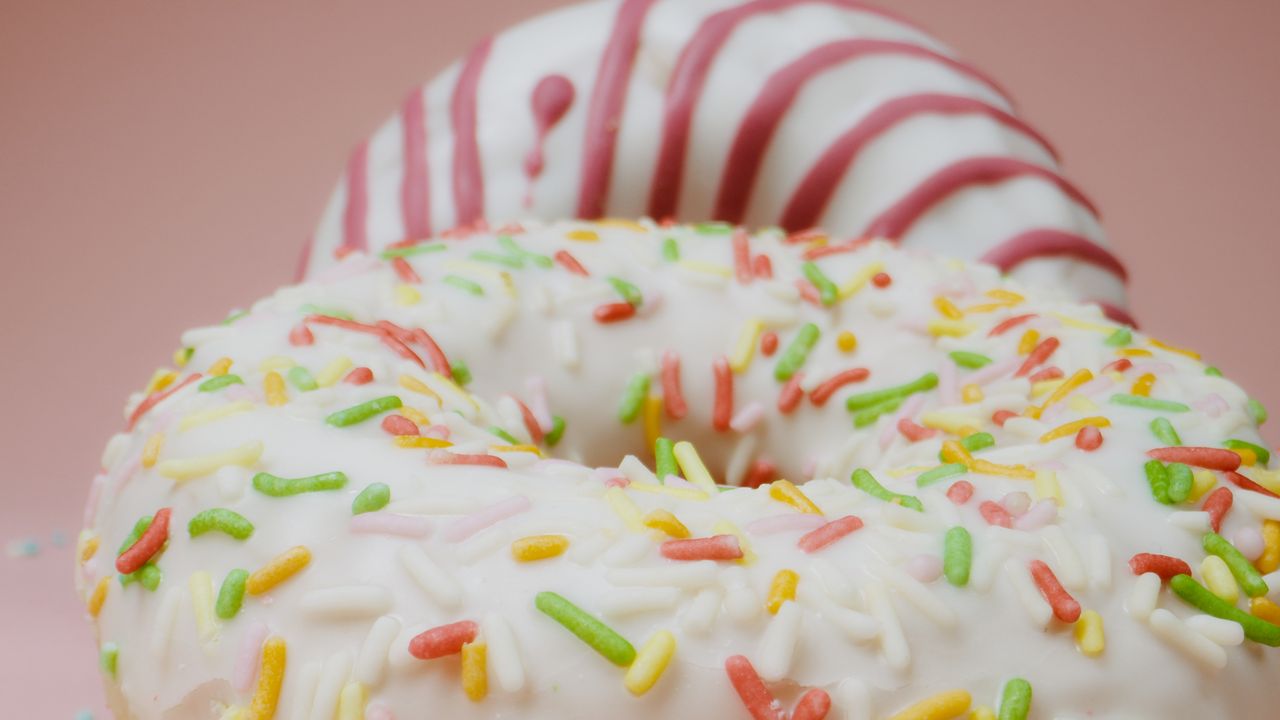
Pipe filling through the side of each bomboloni using a star tip. Insert the tip into the side at the equator, not the bottom. Squeeze gently until you feel light resistance. A standard Italian pastry cream works best: heat 500ml full-fat milk to a simmer. Whisk 4 egg yolks (or 80ml aquafaba) with 100g sugar and 50g flour until pale. Pour hot milk slowly into the egg mixture, whisk constantly, then return to the pan and cook over medium heat until thick. Cool completely before piping.
Roll each filled bomboloni immediately in caster sugar while still warm. The surface oil from frying acts as the adhesive. If you wait until they cool, the sugar won’t stick properly.
Citation capsule: King Arthur Baking notes that enriched yeasted doughs with butter ratios above 15% flour weight require a windowpane test before shaping, as under-developed gluten leads to dough that tears during rolling and produces uneven oven (or fryer) spring (King Arthur Baking, 2023).
croissants and Danish as further enriched dough study →
How Do You Make Yeasted Doughnuts (Classic Glazed Ring)?
Yeasted doughnuts are slightly more forgiving than bomboloni, with a lower fat ratio and a glaze exterior that slows moisture loss. King Arthur Baking’s yeast doughnut formula uses roughly 16% butter to flour, compared to bomboloni’s 20%, which produces a slightly chewier bite and better ambient shelf life (King Arthur Baking, 2023). The technique is similar, but the timing and finishing are different enough that they shouldn’t be conflated.
Doughnut Dough Ingredients
- 500g all-purpose flour
- 60g caster sugar
- 5g fine salt
- 8g instant yeast
- 2 eggs (eggless option: 120ml aquafaba)
- 180ml warm milk (38-40°C)
- 80g unsalted butter, softened
Mixing and Proofing
Combine dry ingredients. Add eggs and warm milk. Knead for 12 minutes by hand, or 8-9 minutes by stand mixer, until the dough is smooth and slightly tacky but not wet. The doughnut dough should be firmer than bomboloni dough. Add butter in batches and continue kneading until fully incorporated. Proof for 1 hour until doubled.
Shaping
Roll to 1.2cm thickness. Cut rings using an 8cm outer cutter and a 3cm inner cutter. Save the centre holes – they fry into doughnut holes in about 60 seconds. Place rings on parchment squares so they’re easy to transfer without deflating. Proof 30-40 minutes. When ready, the rings should jiggle visibly when the tray is shaken.

Frying Doughnuts
Heat oil to 175°C. Lower rings gently into the oil using the parchment squares – the paper releases naturally and you can lift it out with tongs. Fry 90 seconds per side. Rings cook faster than filled doughnuts because there’s less dough mass. Watch colour rather than time. Deep golden is correct. Very pale means the inside is under-cooked even if the outside looks done. Drain on a wire rack.
Glazing
Classic glaze: 200g icing sugar, 3 tablespoons full-fat milk, half teaspoon vanilla extract. Whisk until smooth. Dip the warm doughnut top-side down into the glaze. Let excess drip for 5 seconds, then set on a rack.
: Glaze sets properly between 18-20°C. In Ahmedabad, where ambient temperatures regularly exceed 30°C through most of the year, glazed doughnuts stay sticky and wet if left at room temperature. Move them into an air-conditioned room immediately after glazing. Don’t refrigerate them: the condensation that forms when a cold doughnut meets warm air causes the glaze to weep and pool. The AC room is the right environment, not the fridge.
Citation capsule: FSSAI regulations on frying media specify that commercial food businesses must use oils with a smoke point above 200°C for deep frying, and must discard oil once total polar compounds exceed 25% (FSSAI, 2023). Refined groundnut oil (250°C smoke point) meets this standard comfortably for both bomboloni and doughnut production.
puff pastry and other fried/baked pastry techniques →
When Should You Serve Bomboloni vs Doughnuts at Your Café or Home?
The choice between bomboloni and doughnuts isn’t just about taste preference. It’s a production and logistics decision. In a Florence Academy classroom preference test across 24 students, 67% preferred bomboloni when eaten fresh within 2 hours of frying. That preference dropped to only 31% at the 6-hour mark. Doughnuts maintained consistent preference scores at both time points, making them the more reliable product for settings where timing is variable.
When Bomboloni Is the Right Choice
Bomboloni’s 4-6 hour shelf life is a constraint, but it’s also a selling point. Use it in settings where freshness is the product:
- High-end café menus with morning or afternoon production windows
- Wedding dessert stations where items are served fresh and consumed quickly
- Private dessert orders delivered same-day with a clear consumption window
- Pop-up stalls where you control the frying time
The smaller size (40-50g) and individual portion format also make bomboloni feel premium. They justify higher per-piece pricing precisely because they don’t last.
When Doughnuts Are the Right Choice
Doughnuts suit volume settings and longer selling windows:
- Café retail display cases that sell through the day
- Children’s events and bulk orders where freshness is less critical
- Online bakery businesses where shipping adds 4-8 hours to delivery time
- Morning production runs at small bakeries with afternoon customer traffic
For home bakers selling online, the calculus is clear. Doughnuts survive a courier delivery. Bomboloni need same-day pickup or delivery with a short consumption window noted on the label.

Citation capsule: A 24-student classroom preference test at Florence Academy showed that bomboloni preference dropped from 67% at 2 hours post-frying to 31% at 6 hours, while doughnut preference scores remained stable across both time points, confirming that bomboloni viability is directly tied to freshness windows.
Ready to learn from expert chefs? Explore Courses at Florence Academy
Frequently Asked Questions
Can bomboloni be baked instead of fried?
Technically yes, but the result is not really a bomboloni. The signature texture, a thin crisp exterior with a pillowy, airy centre, comes from the rapid high-heat expansion that happens only in deep frying. Baked at 180°C, the dough sets too slowly and the crust develops differently. Baked versions come out closer to soft filled buns. If you need a baked alternative for your menu, consider filled brioche buns shaped and baked the same way.
brioche and enriched bun techniques →
How do you make eggless bomboloni that still has the right texture?
Replace egg yolks with aquafaba (the liquid from canned chickpeas) at a 2:1 ratio. Four egg yolks equal approximately 120ml of aquafaba. You can also use 60ml condensed milk combined with 60ml full-fat yoghurt per four yolks. Both substitutes replicate the fat content and binding function. Aquafaba produces the closest crumb texture to egg-based dough. Add an extra 10g of softened butter to the dough to compensate for the reduced fat from skipping yolks. The proofing time may extend by 10-15 minutes.
What oil is best for frying doughnuts in India?
Refined groundnut oil, with a smoke point of 250°C, is the best all-round option for frying both bomboloni and doughnuts. Refined sunflower oil (225°C smoke point) is a close second and is widely available across Gujarat. Both are neutral in flavour and stable at frying temperatures. Avoid coconut oil, which imparts a noticeable flavour, and unrefined mustard oil, which has both a strong taste and a relatively low smoke point. Refined rice bran oil is a newer option in Indian markets and works well for a clean-tasting result. FSSAI guidelines for food businesses require frying oils to have smoke points above 200°C (FSSAI, 2023).
How long can you store bomboloni vs doughnuts?
Bomboloni last 4-6 hours at room temperature after filling. The pastry cream inside becomes runny past that point, and the caster sugar coating absorbs moisture from the filling. Do not refrigerate filled bomboloni: the cold causes the dough to become dense and the texture suffers permanently. Yeasted glazed doughnuts last up to 24 hours at room temperature. Unfilled, unglazed doughnut rounds can be stored in an airtight container for 2-3 days, or frozen for up to 1 month. Glaze them after thawing, not before.
Putting It Together: Two Products, Two Strategies
Bomboloni and doughnuts are made from similar ingredients but they’re fundamentally different products. One is built for freshness and premium positioning. The other is built for volume and shelf stability. Knowing which to make, and when, is the difference between a product that sells out before noon and one that sits in a display case looking tired by the afternoon.
The technique is learnable. The wet bomboloni dough feels wrong at first, but it’s correct. The glaze temperature for doughnuts seems fussy, but it matters in Indian heat. These are the details that professional pastry training covers in a structured, hands-on environment. They’re also the details that separate bakeries that build reputations from those that don’t.
Both recipes here use either eggs or tested eggless substitutes, so neither is off the menu for vegetarian or Jain kitchens. Start with whichever format suits your selling window. Then add the other when you’re ready to offer both.
Have questions? Chat with us on WhatsApp – we respond fast.
Written by Chef Monila Surana, with 18 years of professional pastry experience. Chef Monila teaches enriched dough and fried pastry techniques at Florence Academy of World Cuisines, Ahmedabad.


