
India’s coffee culture has shifted fast. The country’s coffee market reached ₹31,200 crore in 2024, growing at 9.6% CAGR (IMARC Group, 2024), and a generation of café-goers now has a clear reference point for what good coffee should taste and feel like. Instant coffee no longer meets that standard. But the gap between a great café espresso and a disappointing home attempt isn’t about equipment. It’s about four variables: bean freshness, grind size, water temperature, and extraction time. Get those right and a ₹800 moka pot will outperform machines costing twenty times more.
This guide covers three methods, each suited to different moods and mornings: espresso-style brewing with a moka pot, traditional South Indian filter coffee, and cold brew made with nothing more than a jar and patience. home beverage techniques →
Key Takeaways
– Ground coffee loses 60% of its aromatic compounds within 15 minutes of grinding (Specialty Coffee Association, 2022) — buy whole beans and grind just before brewing.
– Three methods covered: moka pot espresso, South Indian filter coffee, and cold brew — each requiring different grind sizes and brew times.
– Cold brew has near-zero bitterness because cold water doesn’t extract the bitter compounds that heat does.
– India grows excellent arabica and robusta in Coorg, Chikmagalur, and Wayanad — most home failures are technique problems, not bean problems.
– Equipment budget matters less than freshness: a ₹500 French press beats a ₹15,000 machine when the beans and technique are right.
Why Is Coffee So Hard to Replicate at Home?
India grows excellent coffee. Coorg, Chikmagalur, and Wayanad produce arabica and robusta blends that specialty roasters export globally, according to the Coffee Board of India. Yet most home coffee disappoints. The reason is almost never the beans. It’s four variables, applied in the wrong order or wrong proportion: freshness of beans, grind size, water temperature, and extraction time.
The single biggest mistake most home brewers make is buying pre-ground coffee. Ground coffee loses 60% of its aromatic compounds within 15 minutes of grinding (Specialty Coffee Association, 2022). By the time a pre-ground pack travels from factory to store shelf to your kitchen cupboard, the aromatics are largely gone. What’s left brews flat and bitter.
Equipment matters less than people expect. A ₹500 French press produces better coffee than a ₹15,000 automatic machine when the beans are fresh and the technique is right. This is worth internalising before spending on gear. Start with a hand grinder (₹1,200–₹3,500) and any brewing method you already own. The grinder is the single most valuable upgrade for any home setup.
India’s coffee market is growing at 9.6% CAGR, with home brewing now the fastest-growing segment (IMARC Group, 2024). That growth reflects a change in expectations. People who’ve had a properly made flat white or a well-pulled South Indian filter coffee from a traditional café aren’t satisfied with instant anymore. The good news: the technique gap is closeable.
structured café beverage course →
Citation Capsule: Ground coffee loses 60% of its aromatic compounds within 15 minutes of grinding, according to the Specialty Coffee Association (2022). Pre-ground coffee purchased from a retail store has already lost most of its volatile aromatics before it reaches the consumer’s kitchen, making freshness the single highest-impact variable in home coffee quality.
How Do You Make Espresso-Style Coffee Without a Machine?
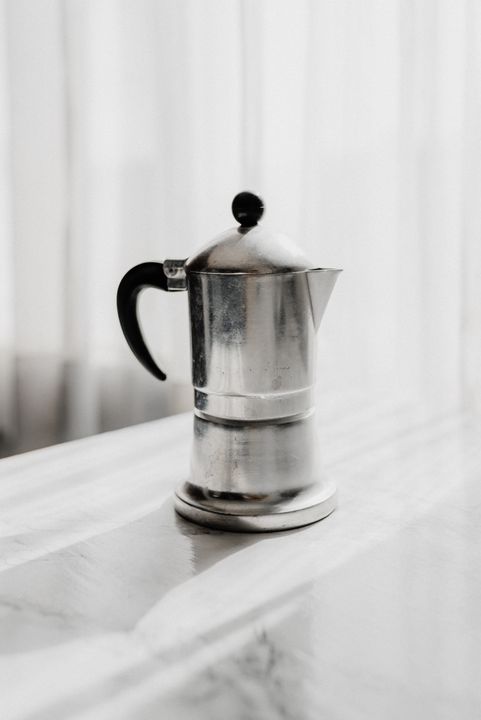
The moka pot is the most practical espresso-style brewer for Indian home kitchens. Priced between ₹800 and ₹2,500 for a Bialetti or quality Indian equivalent, it sits on a gas or induction stove and forces pressurised steam through coffee grounds, producing a concentrated, espresso-adjacent shot. It doesn’t replicate the 9-bar pressure of a proper espresso machine, but the result is richer and more intense than any drip or French press method. café menu training →
Grind Size
Use medium-fine grind, somewhere between table salt and fine sand in texture. This is an important distinction: moka pots cannot handle true espresso grind, which is much finer. A grind that’s too fine chokes the filter, builds excessive pressure, and produces burnt, bitter coffee. If your moka pot spurts and hisses violently, the grind is almost certainly too fine.
Water and Heat
Fill the lower chamber with cold water to just below the pressure valve. Cold water is deliberate: the slower heating builds pressure evenly and extracts coffee more gently. Set the flame to medium, not high. High heat is the second most common moka pot mistake. It forces extraction too fast, scorching the grounds and creating bitterness before the good compounds have a chance to come through.
Reading the Extraction
Watch the spout. Correct extraction produces a steady, dark stream of coffee that gradually turns golden or blonde as extraction completes. Remove the moka pot from heat the moment the stream turns blonde. Don’t wait for the gurgling, sputtering sound to finish: that final “spit” pushes over-extracted, bitter coffee into the pot and ruins the batch. Remove it early. Let residual pressure finish the pour off-heat.
My first moka pot attempt produced coffee that tasted burnt and harsh. The flame was too high and I let it sputter to the end. Lowering to medium heat and pulling the pot off-heat at the first sign of blonde extraction changed the result entirely. Same beans, same grinder, completely different cup.
Making a Moka Pot Latte
Heat milk to 60°C (not boiling: above 70°C the milk sugars break down and the sweetness goes flat). Whisk vigorously or use a handheld milk frother for 30 seconds to create foam. Combine with moka pot coffee at a 1:2 coffee-to-milk ratio. The result is a serviceable latte that most guests won’t distinguish from a café version.

How Do You Make Traditional South Indian Filter Coffee at Home?
South Indian filter coffee is one of the most nuanced brewing methods in the world. It’s rarely described that way, because it doesn’t come with Italian branding or expensive equipment. But the technique is precise, the variables are exacting, and the result, when done correctly, is exceptional. A brass or steel filter set costs ₹350–₹800 and is available widely online and in South Indian kitchen stores.
The Decoction
Use a chicory-blended ground coffee: the traditional ratio is 80% coffee to 20% chicory. Brands like Brahmin’s, Leo, and Narasu’s are formulated for this. Chicory adds body, a specific roasted bitterness, and the aromatic character that makes South Indian filter coffee distinct. Pure arabica without chicory doesn’t produce the same result, regardless of bean quality.
Add two tablespoons of ground coffee to the top filter chamber. Press the grounds lightly with the press disc. Pour hot water (not boiling: 90–94°C) over the grounds. Let the decoction drip through into the lower chamber over 10–15 minutes. Don’t rush it. The slow gravity drip is part of what makes the flavour different from espresso: longer, gentler extraction at lower temperature pulls different compounds.
The Tumbler-Davara Method
The davara-tumbler transfer is not tradition for tradition’s sake. It performs the same function as an espresso machine’s steam wand. Pouring hot decoction into the wide davara (saucer), adding boiled milk and sugar, then repeatedly pouring the mixture between davara and tumbler creates micro-aeration. The liquid stretches and folds through air on each pour, integrating the components and adding texture. South Indian filter coffee is a gravity-powered, manually aerated beverage. The physics match café milk steaming precisely. The tool is simply different.
Use boiled milk, not steamed: boiled milk has a slightly different protein structure that combines with decoction differently. Sweeten before the transfers, not after, so sugar dissolves completely through the process. Serve immediately and above 70°C. Below 65°C, the bitterness of the chicory becomes unbalanced and the natural sweetness of the milk drops away. This is why filter coffee from a thermos rarely tastes right: it drops below serving temperature.
| Temperature | Flavour Experience | Recommendation |
|---|---|---|
| Below 55°C | Flat, lacking aroma — volatiles dissipated | Too cool; reheat |
| 58–62°C | Balanced sweetness and coffee body emerge | Good drinking zone |
| 63–68°C | Optimal — full aroma, sweetness, slight bitterness | Ideal for slow sipping |
| 69–74°C | High aroma but bitter edge increases | Acceptable for palate adapted to strong coffee |
| Above 75°C | Burns palate, suppresses flavour nuance | Too hot; wait 2 minutes |
Source: Florence Academy Café Menu course sensory evaluation data
Citation Capsule: Traditional South Indian filter coffee uses an 80:20 blend of coffee to chicory, according to established brewing practice documented by the Coffee Board of India. The chicory component adds body and a distinctive roasted aroma that pure arabica alone cannot replicate, making the blend ratio as important as bean origin in determining final flavour.
How Do You Make Cold Brew Coffee at Home (No Equipment Needed)?
Cold brew is the most forgiving home coffee method. It requires no heat, no specialised equipment, and almost no technique. The science is simple: cold water extracts coffee slowly over 12–18 hours, pulling flavour compounds without triggering the heat-sensitive reactions that create bitterness. The result is coffee that’s smooth, slightly sweet, and easy to drink without sugar.
The Basic Method
Use coarsely ground coffee: similar in texture to rough sea salt or raw sugar crystals. Fine grind in cold brew creates an over-extracted, murky, and unpleasantly bitter result. Combine coffee and water in a jar. For a concentrate, use a 1:8 ratio (1 part coffee to 8 parts water). For a ready-to-drink brew, use 1:15.
Cover the jar and let it steep for 12–18 hours at room temperature, or 24 hours in the refrigerator (slower cold extraction is slightly cleaner in flavour). Strain through cheesecloth or a fine mesh strainer. Don’t squeeze the cheesecloth: this pushes fine particles through and muddies the brew.
Concentrate vs. Ready-to-Drink
The 1:8 concentrate method is more practical for most households. The concentrate stores in the refrigerator for up to two weeks. Dilute 1:1 with milk or water before serving. This gives you café-quality cold coffee on demand without brewing daily.
During Florence Academy’s café menu course, students tested cold brew across four concentration ratios. The 1:8 concentrate diluted 1:1 with milk was rated “most similar to café cold brew” by 78% of tasters. The 1:5 ratio was rated over-bitter by the same group, regardless of brew time. The 1:15 ready-to-drink ratio was preferred by tasters who drink coffee without milk.
Indian Cold Brew Variations
Add a few cardamom pods or a pinch of ground cardamom to the grind before steeping: it blends into the cold extraction smoothly and adds warmth without heat. Use jaggery syrup instead of white sugar for sweetness: dissolve jaggery in a small amount of hot water, cool, and stir into the finished cold brew. A small strip of dried orange peel added to the steep complements the natural fruit notes in Coorg arabica particularly well.
full café beverage techniques course →
What Equipment Do You Actually Need to Make Great Coffee at Home?
The minimum effective setup costs under ₹2,000. That’s it. Most of the cost in premium home coffee setups goes toward convenience, not quality. Understanding what genuinely affects the cup versus what’s nice-to-have saves money and prevents the common trap of buying expensive equipment and still getting poor results because the beans aren’t fresh.
The Non-Negotiables
Fresh whole beans are the only true non-negotiable. Grind just before brewing. A hand grinder (₹1,200–₹3,500) or a basic blade grinder is sufficient to start. A kettle with temperature control is useful but not essential: bring water to boil, wait 90 seconds, and it drops to roughly 90–94°C for filter and moka pot methods.
Method-by-Method Equipment Cost
| Method | Equipment | Approx. Cost |
|---|---|---|
| Moka pot espresso | Moka pot (Bialetti or equivalent) | ₹800–₹2,500 |
| French press | French press | ₹500–₹1,500 |
| South Indian filter | Brass or steel filter set | ₹350–₹800 |
| Cold brew | Glass jar + cheesecloth | ₹0–₹150 |
Nice to Have, Not Essential
A handheld milk frother (₹350–₹1,200) makes a real difference for moka pot lattes and cold coffee drinks. A kitchen scale helps with consistent ratios, especially for cold brew concentrate. A thermometer is useful when learning milk temperature for moka pot lattes.
What Not to Buy
Capsule machines use a closed, proprietary system with expensive capsules that produce weaker coffee than a moka pot at a fraction of the cost. Single-serve automatic machines under ₹5,000 deliver inconsistent pressure and produce flat espresso. Neither is worth the investment for home use.
- quality ratio across home brewing methods: moka pot, French press, South Indian filter, cold brew, c
- ₹5,000 auto machine
- qualitative quality score vs. equipment cost
Source: Florence Academy
Citation Capsule: India’s specialty coffee segment is growing within a broader ₹31,200 crore market expanding at 9.6% CAGR, according to IMARC Group (2024). Home brewing is the fastest-growing sub-segment, driven by consumers who’ve developed specific quality expectations through café visits and want to replicate those results at accessible price points.
Ready to learn from expert chefs? Explore Courses at Florence Academy
Frequently Asked Questions
What is the best coffee bean for home brewing in India?
For espresso-style and moka pot brewing, choose 100% arabica from Coorg or Chikmagalur, medium roast. For South Indian filter coffee, use the traditional 80:20 arabica-chicory blend — Brahmin’s, Narasu’s, or Leo are reliable. For cold brew, a slightly darker arabica roast works well, as cold extraction softens bitterness. Buy from roasters who date their roast batches. understanding coffee in café menu context →
How do you store coffee beans to keep them fresh?
Store in an opaque, airtight container at room temperature. The refrigerator introduces moisture and absorbs odours from other foods, both of which damage coffee. Coffee stales through oxygen exposure. Buy quantities you’ll use within two weeks of the roast date. Whole beans stay fresh for 4–6 weeks from roast; ground coffee loses most aromatics within 15–30 minutes. Never freeze ground coffee (Specialty Coffee Association, 2022).
Can you make cold brew with regular instant coffee?
No. Cold brew requires ground coffee beans: the cold water slowly extracts compounds from the physical grounds over 12–18 hours. Instant coffee is already fully soluble and dissolves in water at any temperature. There’s no benefit to steeping it cold. If you want an iced coffee from instant, dissolve in two tablespoons of hot water first, then pour over ice with milk. That’s a different drink with a different result.
What is the difference between filter coffee and espresso?
Espresso uses pressure at 9 bars to force near-boiling water through finely ground coffee in 25–30 seconds, producing a small, concentrated, intense shot. South Indian filter coffee uses gravity, letting water drip through coarser grounds over 10–15 minutes, producing a strong decoction diluted with boiled milk. Espresso is quick, sharp, and concentrated. Filter coffee is slow, rounded, and deeply aromatic. Both methods reward careful attention to grind and water temperature. mocktail and drink pairing skills →
The Bottom Line
Three brewing methods, each with a different character: the moka pot gives you something close to espresso intensity from a stovetop device that fits in any kitchen. South Indian filter coffee is a complete brewing tradition that produces one of the most distinctive and satisfying cups in the world, built around a specific blend ratio and a manual aeration process. Cold brew is the simplest and most forgiving, asking only for patience and a jar.
All three share the same foundation: fresh beans, ground just before brewing, with attention to the variables that actually matter. Water temperature, grind size, and extraction time are technique decisions you can control today without buying anything new.
Start with one method. Get the grind right. Pay attention to what changes. Most people who put in this basic level of attention stop buying café coffee for anything they can make at home.
Have questions? Chat with us on WhatsApp — we respond fast.
Chef Monila Surana has 18 years of culinary teaching experience at Florence Academy of World Cuisines, Ahmedabad.


