

Gujarat’s street food culture is built on speed, layered flavour, and a precise balance of sweet, sour, spicy, and crunchy that no other Indian state quite replicates. Dabeli, vada pav, and chaat in Ahmedabad taste distinctly different from their Mumbai counterparts. Same dish. Different soul. The difference lives in the chutneys, the masalas, and the restraint around heat.
Ahmedabad’s street food economy is estimated at over ₹500 crore annually (MoSPI / NSSO informal sector data), and every rupee of it is built on freshly ground masalas, daily-made chutneys, and technique passed down through thousands of stalls and home kitchens. This post covers all three dishes from scratch, using the Ahmedabad technique that makes the difference.
Key Takeaways
– Gujarati street food balances sweet, sour, spicy, and crunchy — the sweet dimension sets it apart from Maharashtra versions.
– Kutchi dabeli masala requires dry coconut and pomegranate; both are structural, not just garnish.
– The dry garlic chutney in vada pav must be pressed into the bread, not sprinkled on top.
– Ahmedabad chaat uses meetha (date-tamarind) chutney more generously than Delhi or Mumbai versions.
– Ahmedabad’s street food economy is worth ₹500+ crore annually (MoSPI, NSSO informal sector data).
What Makes Gujarati Street Food Different from Maharashtra’s Version?
Ahmedabad’s street food economy exceeds ₹500 crore annually (MoSPI, NSSO informal sector data), making it one of India’s largest informal food markets outside of metropolitan cities. That scale is driven by a specific Gujarati flavour logic: every dish must hit all four tastes at once, and sweetness carries equal weight with spice.
The Gujarati palate adds a sweet dimension that Maharashtra’s doesn’t. Dabeli masala in Kutch uses dry coconut and pomegranate. Vada pav chutneys here carry a tamarind-jaggery base. Even sev puri in Ahmedabad gets a more generous hand of meetha chutney than you’d find in Mumbai or Pune.
Heat builds slowly; it doesn’t hit immediately. This is the single biggest difference non-Gujarati visitors notice. Maharashtra street food is heat-forward — the green chutney bites hard, the red chilli is upfront. In Ahmedabad, the spice arrives late and lingers. The flavour comes first.
Chutneys are the whole game. Professional street food setups in Ahmedabad make chutneys fresh every morning. FSSAI street food hygiene guidelines recommend daily preparation for high-acid condiments sold at ambient temperature. At home, you can batch your tamarind and date chutney and refrigerate it for 3-5 days. Green chutney is best made daily but keeps 2-3 days with a thin layer of oil on top.
Ahmedabad street food culture →
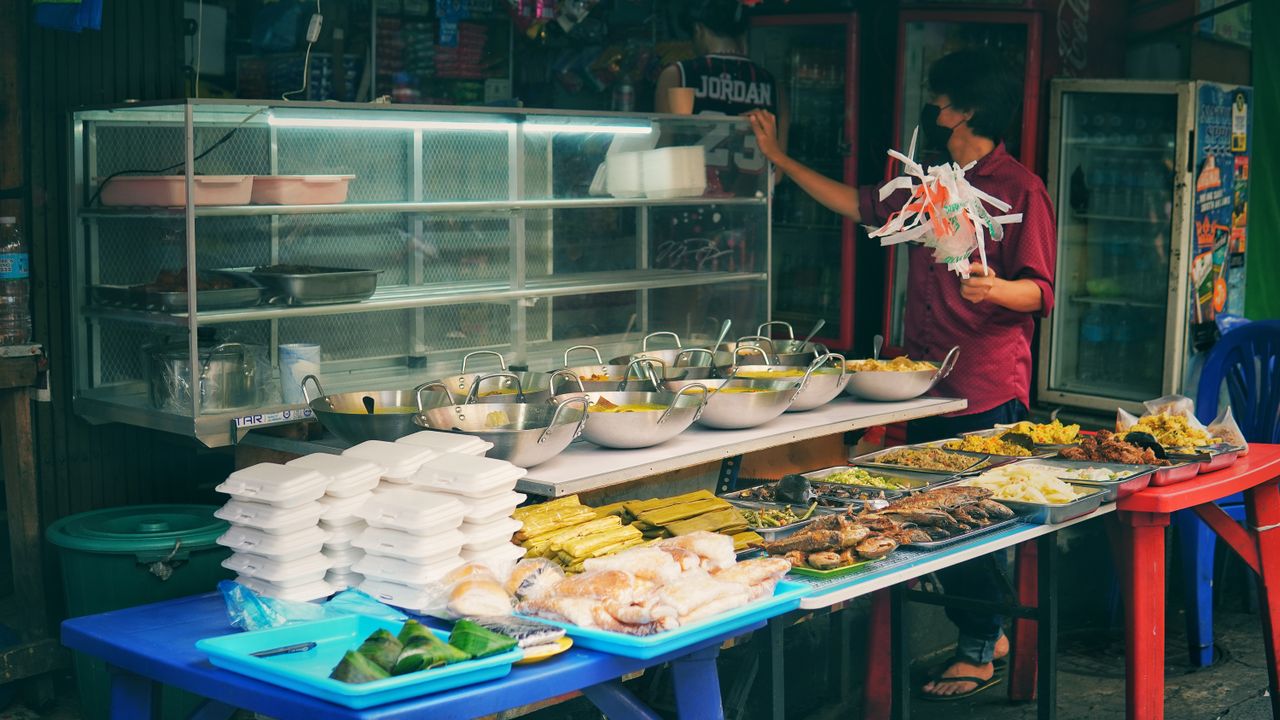
How Do You Make Kutchi Dabeli from Scratch?
Kutchi dabeli is one of India’s most underrated street foods — a layered potato-filled pav that originated in Mandvi, Kutch, and carries a flavour signature unlike any other Indian bread snack. According to Gujarat Tourism, Kutch’s food culture is among the state’s strongest regional identities, and dabeli is central to that story.
The Dabeli Masala
This masala is the entire flavour foundation. Dry roast separately in a pan over medium heat: 2 tbsp coriander seeds, 1 tsp cumin, 4 cloves, a 1-inch piece of cinnamon, 3-4 dried red chillies (Kashmiri for colour, Reshampatti for heat), and 2 tbsp dry coconut (kopra). Roast each until fragrant, not burnt. Add 2 green cardamom pods in the last 30 seconds. Cool completely, then grind to a fine powder.
This masala cannot be swapped for generic chaat masala or pav bhaji masala. The dry coconut is non-negotiable — it gives the filling its distinctive nuttiness and slight sweetness. Make a small batch and store in an airtight jar for up to 2 weeks.
The Potato Filling
Boil 3 medium potatoes until fully cooked, peel, and mash while still warm. Add 2 tbsp dabeli masala, 2 tbsp tamarind chutney, and salt to taste. Mix thoroughly. Do not add water. The filling must be dry — any moisture will make the pav soggy during assembly.
Spread the filling flat in a plate or shallow pan. This is the traditional way: a wide, flat layer rather than a mound, so each pav gets an even scoop.
The Three Chutneys
Date-tamarind chutney (meetha chutney): Soak 50g tamarind and 50g seedless dates in warm water for 20 minutes. Blend with 2 tbsp jaggery, 1 tsp roasted cumin powder, 1/2 tsp red chilli powder, and salt. Strain through a sieve for a smooth result. This is the sweet backbone of the whole dish.
Garlic chutney: Roast 6-8 dried red chillies and 6 garlic cloves in a dry pan until the skins are lightly charred. Grind coarse with a pinch of salt and a splash of water. The roasted char is essential — raw garlic chutney tastes harsh and flat by comparison.
Jain alternative: Skip the garlic entirely. Instead, grind roasted red chillies with 1/4 tsp hing (asafoetida) and a pinch of sendha namak. The hing provides a sharp, pungent note that fills the gap garlic would normally occupy.
Green chutney: Blend fresh coriander, 2 green chillies, a small piece of ginger, lemon juice, and salt. Keep it thick — thin green chutney runs out of the pav.
Assembly
Slit the pav lengthwise without cutting all the way through. Spread garlic chutney on one inner face and green chutney on the other. Spread meetha chutney on both. Stuff with a generous scoop of potato filling. Top with: fine sev, fresh pomegranate seeds, roasted peanuts, and chopped coriander. Close the pav and press lightly. Toast on a buttered tawa for 30-40 seconds per side until the outside is golden and slightly crisp.
Chef Monila Surana describes her first time eating Kutchi dabeli in Mandvi, Kutch: “I had eaten dabeli before, in Ahmedabad, and I thought I knew what it was. But in Mandvi the filling tasted completely different — there was this burst of pomegranate in every bite that I hadn’t expected. I assumed it was garnish, decoration. When I asked the vendor, he looked at me like I’d said something wrong. ‘No, that is the dish,’ he said. That trip changed how I teach dabeli. The pomegranate seeds aren’t a finishing touch — they’re structural. They balance the sweetness of the masala and the richness of the coconut with a sharp, fresh burst of acidity. Without them, dabeli is missing a whole layer.”

How Do You Make Vada Pav with the Right Ahmedabad Chutneys?
Vada pav is India’s most-consumed street food snack, with an estimated 20 lakh vada pavs sold daily in Mumbai alone (street food consumption estimates, referenced in India Food Services Report, National Restaurant Association of India). The Ahmedabad version adds one critical element Mumbai’s doesn’t always include: a dry coconut-chilli chutney pressed directly into the bread.
The Batata Vada
Boil 4 medium potatoes, peel, and mash warm. In a small pan, heat 1 tbsp oil. Add 1/2 tsp mustard seeds and let them splutter. Add 10-12 curry leaves, 1-2 finely chopped green chillies, a small piece of grated ginger, and 1/4 tsp turmeric. Pour the tempered oil over the mashed potato. Add salt and 2 tbsp fresh coriander. Mix well and cool completely.
Shape into round, slightly flattened balls — about the size of a golf ball. Refrigerate for 15 minutes before dipping. Cold vadas hold their shape better in hot oil.
Besan batter: Mix 1 cup besan (chickpea flour) with 1/4 tsp turmeric, a pinch of red chilli powder, salt, and enough water to make a thick, smooth batter — similar to a pancake batter consistency. Dip each cold vada fully, let excess batter drip off, and deep fry in oil at 170-180°C until golden all over. Drain on paper and serve immediately.
The Dry Garlic Chutney (Lasun Chutney)
This is the non-negotiable element. In a dry pan, roast 3 tbsp desiccated coconut, 5-6 dried red chillies, and 5-6 garlic cloves until lightly golden and fragrant. Cool fully, then grind coarse in a small mixer — not smooth. The texture should be grainy, not pasty. Season with salt.
Jain version: Skip the garlic. Use 8-10 dried red chillies (increase slightly for heat), roast with the coconut, grind coarse with a generous pinch of hing and salt. The hing provides a sharp, savoury note. The result is different but works well.
The dry chutney must be pressed into the bread, not just sprinkled on top. This is a technique distinction that separates Ahmedabad vada pav from most home versions. When you press the coarse dry chutney into the cut face of the pav before adding the vada, the natural oils in the roasted coconut and dried chilli begin to bind with the bread fibres. By the time you eat it, the chutney has become part of the pav — not a separate layer sitting on top. Sprinkling it over the vada after assembly gives you chutney as a topping. Pressing it into the bread gives you chutney as a base note. The flavour experience is entirely different.
Green Chutney
Blend a large bunch of fresh coriander with 2 green chillies, a small piece of ginger, lemon juice, and salt. No garlic needed here — the green chutney’s job is freshness and heat, not pungency.
Assembly
Slice the pav horizontally. Press a generous amount of dry chutney into both cut faces of the bread. Add a few drops of green chutney on top. Place the hot vada in the centre. Serve alongside a fried green chilli: slit a long green chilli, coat lightly in besan batter, and fry for 30 seconds. It’s optional, but it’s the authentic Ahmedabad plate.
Ready to learn from expert chefs? Explore Courses at Florence Academy →
How Do You Make Ahmedabad-Style Chaat at Home?
Chaat in Ahmedabad is sweeter, more generously sauced, and more layered than Delhi or Mumbai versions. The FSSAI’s guidelines on fresh ingredient handling for street food preparation note that chaat is among the highest-risk categories for contamination — which is exactly why understanding proper home preparation matters. The key is fast assembly and immediate consumption.
Sev Puri
Arrange 10-12 flat, crisp puris on a plate. Top each with a cube of boiled potato, a small pinch of finely diced onion (skip for Jain), a drizzle of green chutney, a generous drizzle of meetha (date-tamarind) chutney, and a handful of fine sev. Finish with fresh coriander.
In Ahmedabad, when raw mango is in season (April to June), a small quantity of finely chopped raw mango goes on top of the potato, before the chutneys. It adds a sharp, fruity acid that lifts the entire plate and is completely different from the lemon squeeze that Delhi versions use.
Ragda Pattice
Ragda (white pea curry): Soak white vatana (dried white peas) overnight. Pressure cook with water, salt, and a whole piece of ginger for 4-5 whistles until very soft. In a separate pan, heat 1 tbsp oil, add a pinch of hing, 1 tsp cumin, 1 tsp coriander powder, 1/2 tsp turmeric, 1/2 tsp red chilli powder, and 1 tsp amchur. Add the cooked peas with their water and simmer for 10 minutes until the ragda thickens to a loose, saucy consistency.
Pattice: Mash 4 boiled potatoes. Add salt, 1 tsp cumin powder, and fresh coriander. Shape into flat oval patties. Pan-fry in a well-oiled tawa on medium heat until golden on both sides — about 3-4 minutes per side. Don’t rush the heat; a high flame browns the outside before the inside heats through.
Serve two hot pattice in a bowl, spoon warm ragda over them, then layer with chutneys, sev, finely chopped onion, and pomegranate seeds. Eat immediately.
Dahi Puri
Fill 6-8 small puris with a pinch of mashed potato and a few cooked white peas. Spoon in cold, whisked, slightly sweetened dahi (add 1 tsp sugar and a pinch of salt to the dahi before whisking). Drizzle green chutney and meetha chutney. Top with sev and a light sprinkle of red chilli powder and roasted cumin.
Here’s the rule you cannot ignore: assemble dahi puri and eat within 30 seconds. The moment dahi touches the puri, the moisture transfer begins. Thirty seconds in, you still have crunch and texture. At one minute, the puri softens. At two minutes, it collapses. This isn’t a dish you plate ahead for guests. Assemble two or three at a time and serve them as you fill.
| Aspect | Ahmedabad Chaat | Delhi Chaat | Mumbai Chaat |
|---|---|---|---|
| Sweetness Level | High — jaggery-tamarind forward | Balanced sweet-sour-spice | Low to medium, spice dominant |
| Chutney Ratio | Heavy dates-tamarind, less mint | Equal mint + tamarind | Heavy green chutney, less tamarind |
| Sev Style | Thin sev, generous layering | Papdi & boondi focus | Nylon sev + farsan mix |
| Dahi (Yoghurt) | Sweetened, used liberally | Unsweetened or mildly sweet | Sweetened but used less |
| Signature Item | Sev puri, ragda pattice, dabeli | Papdi chaat, gol gappe, aloo tikki | Vada pav, bhel puri, pav bhaji |
Source: Florence Academy culinary research
In the Florence Academy chaat and fast food course, students consistently use too little meetha chutney in their first attempt at Ahmedabad-style sev puri. When asked to compare their version with a reference plating, the feedback is consistent: “it tastes incomplete.” The sweet date-tamarind chutney is not a condiment used sparingly. In Ahmedabad chaat, it’s a base sauce. A properly assembled sev puri in Ahmedabad has as much meetha chutney as green — possibly more. Students who adjust the ratio report an immediate improvement in flavour balance on their second attempt.
Frequently Asked Questions
What is the difference between Kutchi dabeli and Mumbai dabeli?
Kutchi dabeli originates from Mandvi, Kutch, and uses a masala built on dry coconut, warm spices, and pomegranate seeds — the pomegranate is structural to the flavour, not decoration. Mumbai dabeli is spicier, uses less coconut, and often skips pomegranate entirely. The Kutch version is sweeter and more layered. Mumbai’s is sharper and more direct.
Gujarat food culture deep-dive →
Can I make vada pav without deep frying?
Yes. Air-fry the batter-coated vada at 180°C for 12-15 minutes, turning once, until golden all over. The texture differs slightly: the batter crisps without the full puff of deep frying. Flavour is largely the same. The dry garlic chutney and green chutney carry most of the experience, so even an air-fried vada pav delivers well.
How do I make chaat chutneys that last a week?
Tamarind-date chutney keeps 3-4 weeks refrigerated in a sterilised glass jar — its high sugar content acts as a natural preservative. Green coriander chutney keeps 5-7 days refrigerated; add a thin layer of oil on top to slow oxidation. Dry garlic chutney (ground coconut and red chilli) keeps 2 weeks at room temperature in an airtight container.
Is Gujarati street food Jain-friendly?
Most Gujarati street food becomes Jain-friendly with small swaps. Dabeli: skip garlic chutney, use a hing-and-red-chilli alternative instead. Vada pav: make dry chutney without garlic, using extra red chilli and roasted coconut. Chaat: skip raw onion, use boiled potato only. The sweet tamarind chutney, sev, and puri are already fully Jain-compatible.
Bringing It All Together
These three dishes, Kutchi dabeli, Ahmedabad vada pav, and chaat, share one common thread: chutneys are not garnish. They’re the architecture of the dish. Get your chutneys right and the rest assembles itself. Skimp on them, or make them the wrong way, and no quantity of fresh produce fixes the result.
Start with the meetha chutney. Make a batch on Sunday. It keeps for weeks and works across all three dishes. Then make the dabeli masala. It also keeps. Once those two are in your kitchen, you’re two hours away from a full street food spread any evening of the week.
Ahmedabad’s street food isn’t complicated to replicate at home. It rewards attention to ingredients and technique over time and equipment. Gujarat Tourism has documented the street food trail of Ahmedabad as one of the state’s cultural heritage experiences. You don’t need to travel to experience it. You need the right masala, the right chutneys, and the right order of assembly.
Learn chaat and fast food professionally →
Have questions? Chat with us on WhatsApp — we respond fast.


