

Ahmedabad’s summers are relentless. Temperatures cross 42°C by May, and the last thing most people want is a hot meal at noon. Yet most Indian kitchens default to dal-roti or sabzi even when the heat makes eating anything cooked feel like a chore. The gap between what we need nutritionally and what we actually want to eat in summer is real. Protein-rich summer salads in an Indian kitchen fill exactly that gap — cooling, fast to prepare, and far more filling than most home cooks expect.
The Indian Council of Medical Research and the National Institute of Nutrition (ICMR-NIN, 2020) recommends 0.8–1g of protein per kg of body weight per day for healthy adults (ICMR-NIN, Nutrient Requirements for Indians, 2020). A 60kg adult needs 48–60g of protein daily. Studies consistently show that average Indian vegetarian diets provide only 30–40g, leaving a real shortfall. These eight salads — built from chickpeas, paneer, sprouted moong, quinoa, rajma, and lentils — each deliver 10–18g protein per serving. They’re all vegetarian, all suitable for Indian home kitchens, and most are Jain-adaptable.
Ready to learn healthy salads and smoothie-making professionally? Explore the Healthy Salads, Smoothie & Wrap Course →
Key Takeaways
– ICMR-NIN (2020) recommends 0.8–1g protein per kg body weight daily — most Indian vegetarian diets fall 15–25g short.
– Raw salads retain heat-sensitive vitamins (C, folate) that cooking destroys, making them nutritionally superior for summer consumption.
– All 8 recipes use Indian pantry staples — no imported superfoods required.
– Chickpeas, paneer, sprouted moong, and rajma are India’s highest plant-protein salad ingredients, delivering 10–19g protein per 100g.
– Jain adaptations are available for 7 of the 8 recipes by skipping onion, garlic, and root vegetables.
Why Are Protein-Rich Salads Important in an Indian Summer?
According to ICMR-NIN (2020), protein deficiency is one of India’s most underreported nutritional concerns, with surveys showing up to 80% of Indians consuming below their recommended daily intake (National Institute of Nutrition India, nin.res.in). Summer amplifies the problem. Appetite drops in heat. Cooking feels effortful. People reach for lighter snacks that lack protein, then feel fatigued by afternoon. A well-constructed salad solves this without requiring a hot stove.
Protein does more in summer heat than just build muscle. It regulates satiety hormones, stabilises blood sugar, and supports cell repair — all of which become more demanding when the body is managing heat stress. A salad with 15g protein keeps you fuller for 3–4 hours without the heaviness that a cooked meal creates on a 42°C afternoon in Gujarat.
Want to understand nutrition in depth? Explore the Nutrition and Dietetics Course →
Why Have Indian Kitchens Historically Undervalued Cold Salads?
Traditional Ayurvedic food philosophy, which has shaped Indian cooking habits for thousands of years, classifies raw food as harder to digest than cooked food. The principle of agni (digestive fire) suggests that warm, lightly spiced cooked food supports digestion better than cold or raw preparations. This is why the Indian culinary tradition is extraordinarily sophisticated in its cooked food — and relatively underdeveloped in cold salads compared to Mediterranean or East Asian cuisines.
Modern nutrition science tells a more nuanced story. Vitamins C and folate are heat-sensitive: boiling vegetables destroys 40–50% of folate and up to 60% of vitamin C, according to the FAO/WHO Joint Expert Committee on Food Additives. Raw salads preserve these nutrients fully. More practically: raw vegetables carry a significantly higher water content — cucumbers are 96% water, raw papaya 88%, tomatoes 94% — which contributes directly to hydration at a time of year when dehydration is a genuine health risk across Gujarat and Rajasthan.
The Ayurvedic concern about digestibility isn’t wrong. But it applies most to cold, heavy, hard-to-digest raw roots eaten in large quantities in winter. Properly constructed summer salads — warm-climate vegetables, light dressings, no cold dairy, eaten at room temperature — sidestep these concerns entirely while delivering the hydration and micronutrients that cooked food simply cannot.
Citation Capsule: Traditional Ayurvedic food philosophy cautioned against raw food on digestive grounds, which explains why cold salads remain underdeveloped in Indian cuisine relative to its sophistication in cooked food. Modern nutritional science — particularly FAO/WHO data showing that boiling destroys 40–60% of heat-sensitive vitamins — makes raw salads nutritionally valuable in summer heat, where hydration and micronutrient density matter most.
Which Salad Ingredients Give the Most Protein in a Vegetarian Kitchen?
Chickpeas lead India’s vegetarian protein sources, providing approximately 19g protein per 100g dry weight — and they’re available in every Indian kitchen. Paneer follows at roughly 18g per 100g, making it one of the most concentrated vegetarian protein sources in South Asian cooking. Quinoa, though less traditional, delivers 4.4g per 100g cooked and is notable as a complete protein, containing all nine essential amino acids (ICMR-NIN, Nutrient Requirements for Indians, 2020).
Rajma (kidney beans) provides about 8.7g per 100g cooked. Sprouted moong offers around 3–4g per 100g cooked, but sprouting increases bioavailability substantially — the body absorbs more of the available protein than from unsprouted pulses. Masoor dal (red lentils) contributes 9g protein per 100g cooked. The key insight for a filling salad is combining two protein sources: chickpeas plus paneer, or rajma plus quinoa, creates a bowl that sustains you through a long summer afternoon.

The 8 Protein-Rich Summer Salads
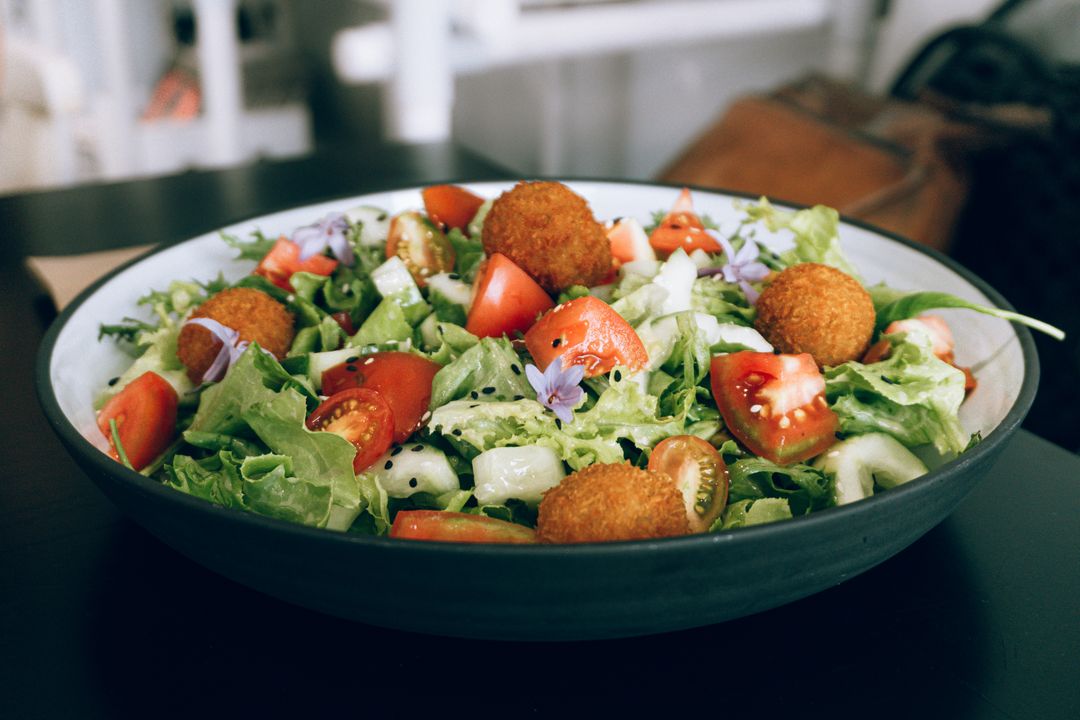
1. Chickpea and Cucumber Salad
Protein per serving: ~16g
Ingredients: 1 cup boiled chickpeas, 1 medium cucumber (diced), 1 medium tomato (diced), handful of fresh coriander, juice of 1 lemon, 1 tsp roasted cumin powder, 1 tsp chaat masala, rock salt to taste, 1 tsp olive oil or groundnut oil.
Technique tip: Use slightly warm (not piping hot) chickpeas rather than cold ones from the fridge. Warm legumes absorb the lemon and cumin dressing more readily, so the flavour penetrates rather than sitting on the surface. Toss everything except the cucumber first, then fold the cucumber in at serving time to keep it crisp.
Jain adaptation: Fully Jain-friendly as written. Skip tomatoes during paryushan if strictly observed. Use sendha namak (rock salt) during fasting periods.
2. Sprouted Moong Chaat-Salad
Protein per serving: ~12g
Ingredients: 1.5 cups sprouted moong, 1 small raw mango or green apple (diced), 1 tsp mustard seeds, 8–10 curry leaves, 1 tsp groundnut oil, 1 tsp lemon juice, green chilli to taste, coriander, chaat masala, black salt.
Technique tip: Tempering (tadka) is the key difference between a flat bowl of sprouts and an actual salad. Heat oil, add mustard seeds until they pop, add curry leaves, then pour this tempering directly over the sprouts. The heat wilts the surface of the sprouts slightly without cooking them, releasing the flavour of the tempering into every piece.
Jain adaptation: Skip curry leaves and substitute fresh grated coconut for raw mango. This is fully Jain-safe. No onion, garlic, or root vegetables required.
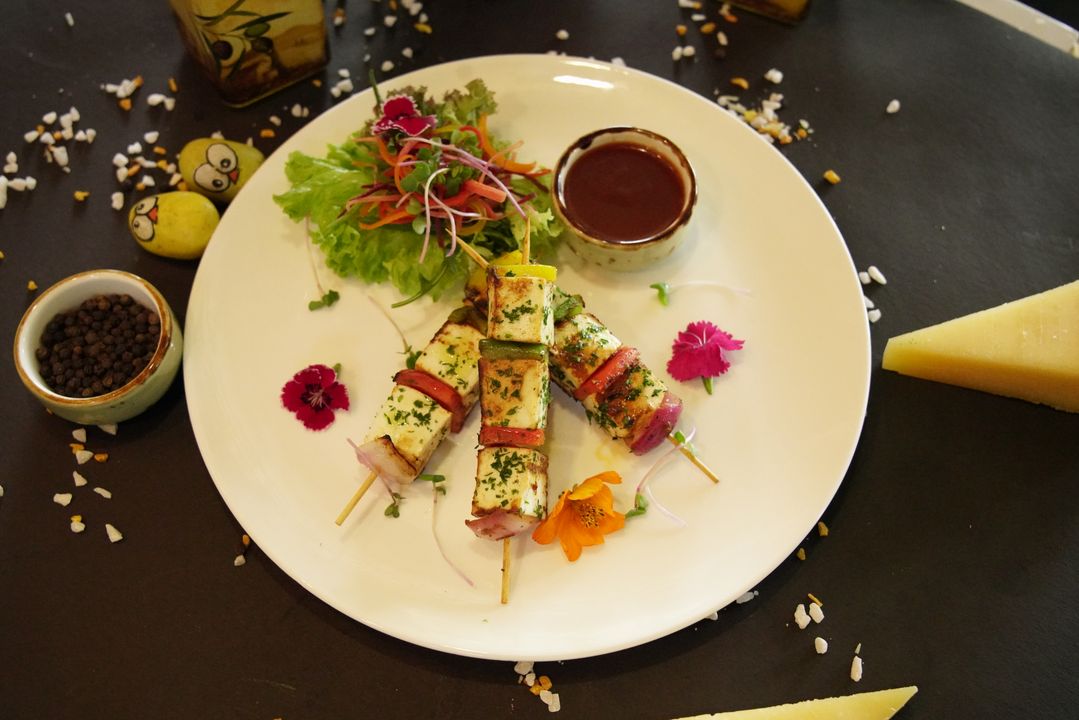
3. Paneer Tikka Salad
Protein per serving: ~18g
Ingredients: 150g fresh paneer (cubed), 1 tsp tandoori masala, 1 tsp dahi, 1 tsp lemon juice, 1 capsicum (diced), cherry tomatoes, cucumber ribbons, handful of rocket or baby spinach, 1 tbsp olive oil, salt, pepper. Optional: pomegranate seeds for garnish.
Technique tip: Pan-char the marinated paneer on high heat in a cast iron or non-stick pan for 60–90 seconds per side. The slight char is not just aesthetic — it creates Maillard reaction compounds that add depth to the flavour. Rest the paneer for 2 minutes off the heat before adding to the salad. Hot paneer releases moisture and wilts greens instantly.
Jain adaptation: Swap capsicum for boiled corn or cucumber. This recipe contains no root vegetables, onion, or garlic — fully Jain-compliant.
4. Quinoa and Roasted Vegetable Bowl
Protein per serving: ~14g
Ingredients: 3/4 cup cooked quinoa, 1 cup mixed vegetables (bell pepper, broccoli, zucchini, baby corn), 1/2 cup boiled chickpeas, 2 tbsp tahini or groundnut butter dressing, lemon juice, garlic (skip for Jain), cumin powder, salt, fresh herbs.
Technique tip: Rinse quinoa under cold water for 30 seconds before cooking to remove saponins — the naturally occurring compounds that give quinoa a bitter, soapy taste. Cook at a 1:2 ratio (1 cup quinoa : 2 cups water), simmer covered for 15 minutes, then rest off heat for 5 minutes before fluffing. Properly cooked quinoa has a slight spiral “tail” separating from each grain.
Jain adaptation: Skip garlic in the dressing. Use all above-ground vegetables. Fully Jain-safe otherwise.
Ready to learn from expert chefs? Explore Courses at Florence Academy →
5. Raw Papaya Salad (Gujarat Style)
Protein per serving: ~8g
Ingredients: 2 cups raw green papaya (grated or julienned), 2 tbsp roasted peanuts, 1 tsp sesame seeds, 1 tsp groundnut oil, 1 tsp mustard seeds, 1 tsp lemon juice, pinch of turmeric, red chilli flakes, coriander, jaggery (a small pinch to balance).
Technique tip: Raw papaya contains papain, a natural enzyme that can cause an allergic reaction in some people if consumed in large quantities. The Gujarat-style preparation includes a brief 5-minute maceration with salt after grating — this draws out excess liquid and breaks down some of the papain, making the salad gentler on the stomach. Rinse lightly after macerating, then dress.
Jain adaptation: Skip mustard seeds tempering if avoided. The salad is naturally free of onion, garlic, and root vegetables, making it Jain-safe.
Note on protein: The protein here comes primarily from peanuts (25.8g per 100g) rather than the papaya itself. Increase peanuts to 4 tbsp for a higher protein version.
6. Rajma and Corn Salad
Protein per serving: ~15g
Ingredients: 3/4 cup boiled rajma (kidney beans), 1/2 cup sweet corn (fresh or frozen, boiled), 1 small capsicum (diced), 1 medium tomato (diced), 2 tbsp red onion (skip for Jain), 1 tbsp apple cider vinegar, 1 tsp olive oil, cumin powder, smoked paprika, salt, fresh coriander.
Technique tip: Rajma that has been soaked overnight and pressure-cooked holds its shape in a salad — canned rajma often becomes too soft and breaks apart when tossed. If you’re using canned, drain and rinse thoroughly, then chill for 20 minutes before using. The cold temperature firms the outer skin slightly.
Jain adaptation: Skip red onion. The rest of the recipe is Jain-safe. Add a small amount of grated raw mango or lemon juice for acidity to compensate for the flavour the onion would have provided.
7. Lentil and Pomegranate Salad
Protein per serving: ~13g
Ingredients: 3/4 cup cooked masoor dal (red lentils — cook to al dente, not mushy), 1/2 cup pomegranate arils, 1 small cucumber (diced), handful of mint and coriander, 1 tsp olive oil, 1 tsp lemon juice, 1/2 tsp cumin powder, 1/2 tsp coriander powder, salt, optional: crumbled feta-style paneer.
Technique tip: Cook masoor dal to just-tender — not the falling-apart consistency you’d use for dal tadka. Start with 1 cup water per 1/2 cup lentils, bring to a boil, then simmer for 10–12 minutes and check every 2 minutes from there. The lentils should hold their shape when pressed between two fingers but not feel hard.
Jain adaptation: Fully Jain-friendly as written. Pomegranate, masoor lentils, cucumber, and all the herbs used are above-ground produce. No adaptations needed.
8. Grilled Paneer Salad (Halloumi-Style)
Protein per serving: ~20g
Ingredients: 180g firm paneer (sliced 1cm thick), 1 tsp dried oregano, 1/2 tsp smoked paprika, 1 tsp olive oil, mixed greens, cherry tomatoes, cucumber, 2 tbsp walnuts, 1 tbsp lemon-tahini dressing (tahini, lemon, water, salt), fresh mint.
Technique tip: The key to getting paneer to behave like halloumi — developing a crust without melting — is pressing it. Place sliced paneer between two paper towels, put a heavy pan on top, and press for 15 minutes. This removes surface moisture. Then grill on a dry, very hot cast iron pan (no oil on the pan, only on the paneer surface) for 2 minutes per side. The result is a golden crust with a firm interior that doesn’t crumble on a salad.
Jain adaptation: Fully Jain-friendly. No root vegetables, onion, or garlic. Use sesame-lemon dressing in place of tahini if preferred.
How Chef Monila Brings Salads into Florence Academy’s Curriculum
When Chef Monila Surana introduced a dedicated salad module to Florence Academy’s Healthy Salads, Smoothie & Wrap course, the initial student response was sceptical. “The first question I almost always hear is: ‘Will this actually fill me up?'” she notes. Students from traditional Gujarati households are accustomed to cooked, warm meals — a salad feels like a side dish, not a main course.
The shift happens when students build their first proper protein-forward salad in the kitchen. Once they assemble a grilled paneer and quinoa bowl and see — on paper, with the calculations in front of them — that it delivers 22g protein per serving, the perception changes. Florence Academy now incorporates protein calculation exercises into every salad session, so students leave not just with a recipe but with the ability to evaluate any salad they build in the future.
The salad module has become one of the most practically relevant sections of the nutrition curriculum for homemaker students, particularly those managing summer meal planning for families in Ahmedabad. The heat context resonates deeply. Several students have told Chef Monila that the salad techniques were the first things their family noticed when they came home from the course.
Want to cook nutritious meals the whole family enjoys? Explore the Child Nutrition and Cooking Course →
How Do You Keep Raw Salad Ingredients Safe in Indian Summer Heat?
FSSAI food safety guidelines state that raw-cut vegetables must be refrigerated at or below 5°C and consumed within 24 hours of preparation to prevent bacterial growth (Food Safety and Standards Authority of India, fssai.gov.in). This is not a minor concern: temperatures in Ahmedabad routinely exceed 42°C from April to June, and raw-cut produce left at room temperature enters the bacterial danger zone (5°C–60°C) almost immediately. Summer food safety is a real responsibility, not a formality.
Three practical rules cover most home kitchen situations. First, wash all raw vegetables under clean running water before cutting — not after. Washing after cutting causes microbes from the skin surface to transfer to the cut flesh. Second, dress salads only at serving time. Dressings draw water from vegetables through osmosis, creating a moist, warm, nutrient-rich environment that bacteria thrive in. Third, store protein components (paneer, boiled legumes) separately from raw vegetables and combine just before serving.
Citation Capsule: FSSAI guidelines specify that raw-cut vegetables must be refrigerated below 5°C and consumed within 24 hours. During Ahmedabad’s peak summer months, when ambient temperatures exceed 42°C, undressed salad components should be stored separately and assembled only at the point of serving — a food safety standard that matters as much as the recipe itself (FSSAI, fssai.gov.in).
Frequently Asked Questions
Which vegetarian ingredients give the most protein in a salad?
Chickpeas deliver approximately 19g protein per 100g dry weight (ICMR-NIN, 2020). Paneer provides around 18g per 100g. Sprouted moong offers 3–4g per 100g cooked, with higher bioavailability after sprouting. Quinoa contributes 4.4g per 100g cooked and is a complete protein. Combining two sources in one bowl easily reaches 15–18g per serving.
Are these salads suitable for Jain diets?
Most are fully Jain-friendly or need minor adjustments. Chickpea & Cucumber, Sprouted Moong Chaat-Salad, Quinoa Bowl, Rajma & Corn, and Lentil & Pomegranate Salad are all Jain-adaptable by skipping onion and garlic and avoiding root vegetables. Paneer-based recipes are also Jain-safe. Each recipe above notes the specific Jain adaptation.
Why do traditional Indian diets not include many raw salads?
Ayurvedic food philosophy historically preferred warm, cooked food as easier to digest — the concept of agni (digestive fire). Raw food was considered harder on the system. Modern nutrition science shows that raw vegetables retain heat-sensitive vitamins (C, folate) that cooking destroys, and their high water content provides hydration that cooked food cannot. Summer is the ideal season to include raw salads.
How do I keep a salad fresh and safe in Indian summer heat?
FSSAI guidelines recommend storing raw-cut vegetables at or below 5°C and consuming them within 24 hours. Dress salads only at serving time — dressings draw moisture and accelerate wilting. In Ahmedabad’s April–June heat, store protein components (paneer, legumes) separately from raw vegetables. Assemble and dress immediately before eating to maintain both safety and texture.
How much protein do I actually need per day as an adult Indian?
ICMR-NIN (2020) recommends 0.8–1g of protein per kg of body weight per day. For a 60kg adult woman, that is 48–60g daily. Most Indian vegetarian diets provide only 30–40g, leaving a significant shortfall. A protein-forward salad at lunch delivering 12–18g closes a meaningful part of that gap without adding heat-generating cooked food to a summer meal plan.
Build a Summer Meal Habit That Actually Works
The eight recipes here cover every flavour direction an Indian summer afternoon demands: cooling and crunchy (chickpea-cucumber, sprouted moong), substantial and warm-spiced (paneer tikka, quinoa bowl), tangy and textured (raw papaya, lentil-pomegranate), and hearty enough to replace a full meal (rajma-corn, grilled paneer). They all draw from Indian pantry staples, take under 20 minutes to assemble once the legumes are cooked, and deliver the protein your body needs when heat makes a cooked meal feel impossible.
The adjustment is mostly mental. Once you’ve built one salad that genuinely fills you up for three hours on a 42°C afternoon, the idea that salads are side dishes stops making sense. Start with the sprouted moong chaat-salad — it’s the most familiar flavour profile for a Gujarati palate, and it takes under ten minutes from fridge to plate.
Ready to build salads, smoothies, and wraps into your routine professionally? Explore the Healthy Salads, Smoothie & Wrap Course →
Have questions? Chat with us on WhatsApp — we respond fast.
About the Author
Chef Monila Surana is the Managing Partner and lead culinary educator at Florence Academy of World Cuisines, Ahmedabad — an NSDC Skill India and AHLEI-certified culinary institute with 2,000+ students trained. With 18 years of professional culinary education experience, she leads curriculum design across Florence Academy’s nutrition, healthy cooking, and vegetarian specialisation programmes. View Chef Monila’s full profile →
Sources:
– ICMR-NIN (Indian Council of Medical Research, National Institute of Nutrition), Nutrient Requirements for Indians, 2020. https://www.nin.res.in/nutrition_news/Nutrient_Requirements_2020.pdf
– Food Safety and Standards Authority of India (FSSAI), Food Safety Guidelines for Consumers, retrieved June 2026. https://www.fssai.gov.in
– FAO/WHO Joint Expert Consultation, Human Vitamin and Mineral Requirements, Chapter 6 (Vitamin C) and Chapter 15 (Folate). https://www.fao.org/3/Y2809E/y2809e00.htm
– NDTV Food, “High Protein Vegetarian Foods: Best Sources of Protein for Vegetarians”, retrieved June 2026. https://food.ndtv.com/food-drinks/high-protein-vegetarian-foods-1688258


