
India’s café industry crossed ₹14,000 crore in 2024 and is growing at 11.4% CAGR (Statista, 2025). A generation of café regulars in cities like Ahmedabad now has a clear reference point: what cold brew should taste like, how a proper matcha latte is built, and how good iced tea differs from the sweet water served at budget restaurants. The knowledge gap between café and home isn’t about equipment — it’s about technique. And technique, unlike equipment, costs nothing to learn.
This guide covers four categories of cold and iced beverages: cold brew coffee, matcha lattes, iced teas, and café-style flavoured iced drinks. All recipes are 100% vegetarian, Jain-friendly, and built for a home kitchen with no specialised tools required.
structured café beverage training →
Key Takeaways
– India’s café market exceeded ₹14,000 crore in 2024 and is growing at 11.4% CAGR (Statista, 2025) — home brewing now lets you replicate those results for a fraction of the cost.
– Cold brew is 67% less acidic than hot-brewed coffee (Toddy LLC, 2023), making it gentler on the stomach.
– Matcha must be sifted and dissolved in warm water before adding milk — skipping this step causes clumping.
– All drinks in this guide are fully vegetarian, Jain-compatible, and non-alcoholic.
– Iced tea brewed at double strength prevents dilution when poured over ice — the single biggest technique fix for home brewers.

Why Do Home Iced Drinks Taste Different From Café Ones?
Most home iced drinks disappoint for one of three reasons. The ingredient ratio is off, the brewing temperature is wrong, or dilution isn’t accounted for. India’s organised café segment, covering 12,000+ outlets nationally (National Restaurant Association of India, 2024), has trained its staff on all three. The good news: these are learnable in an afternoon.
The most common problem is dilution. Home brewers brew coffee or tea at standard strength, pour it over ice, and the ice melts into the drink and waters everything down within minutes. Professional solutions involve either brewing at double strength or making coffee ice cubes that melt into the drink without diluting it. Both are simple. Neither requires any new equipment.
Temperature control is the second issue. Cold brew requires no heat at all. Matcha lattes require water at exactly 70-75°C — not boiling. Black tea for iced tea works best at 90°C, not a rolling boil. These numbers matter because wrong temperatures extract the wrong compounds, creating bitterness or flatness in the final drink.
Citation Capsule: India’s organised café sector operates 12,000+ outlets nationally and crossed ₹14,000 crore in market value in 2024, according to the National Restaurant Association of India (2024). Home café culture has grown alongside this — consumers with regular café reference points now replicate specific drinks at home at a fraction of the cost, driving demand for beverage technique education.
beverage technique courses Ahmedabad →
How Do You Make Cold Brew Coffee at Home?
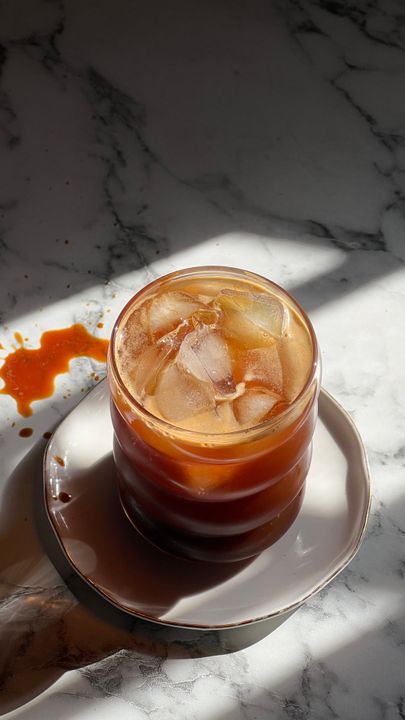
Cold brew is the most beginner-friendly café drink to replicate at home. It requires no heat, no machine, and almost no technique — only patience. Cold water extracts coffee slowly over 12-18 hours, pulling smooth, low-acid flavour compounds without triggering the heat-sensitive reactions that create bitterness. Cold brew is approximately 67% less acidic than hot-brewed coffee, according to research published by Toddy LLC (2023), which makes it noticeably easier on the stomach.
What You Need
You need coarsely ground coffee — texture similar to raw sugar or rough sea salt. Fine grind in cold brew over-extracts and turns the concentrate cloudy and bitter. Use a 1:8 ratio for concentrate (1 part coffee to 8 parts cold water) or 1:15 for a ready-to-drink brew. A glass jar, cheesecloth or a fine mesh strainer, and 12-18 hours are all that’s required.
The Method
Combine coffee and cold water in a clean glass jar. Stir gently to ensure all grounds are wet. Cover loosely and let steep at room temperature for 12-18 hours, or in the refrigerator for 20-24 hours. Refrigerator steeping is slightly slower but produces a cleaner flavour with less sediment.
Strain through cheesecloth or a fine mesh strainer. Don’t press or squeeze the cheesecloth — this forces fine particles through and makes the brew murky. The concentrate keeps for up to 2 weeks in a sealed glass jar in the refrigerator.
Serving Your Cold Brew
To serve as a cold coffee: dilute the 1:8 concentrate 1:1 with chilled milk. Pour over a glass full of ice. Sweeten with jaggery syrup (dissolve 2 tablespoons of jaggery in 3 tablespoons of hot water, cool, and store) for a round, caramel-adjacent sweetness. For a Jain-friendly option, oat milk or almond milk both work well in place of dairy.
During Florence Academy’s Iced Teas and Coffee course, students tested four cold brew concentration ratios. The 1:8 concentrate diluted 1:1 with full-fat milk was rated most similar to café cold coffee by 74% of student tasters. The 1:5 ratio consistently rated as over-bitter regardless of brew time. Students who used coffee ice cubes (frozen cold brew concentrate) reported zero dilution complaints — the most popular finishing technique in the class.
Coffee Ice Cubes: The Professional Fix for Dilution
Pour leftover cold brew concentrate into an ice cube tray and freeze. Use these coffee ice cubes in place of water ice. As they melt into your drink, they add more coffee flavour instead of diluting it. This is standard practice in quality cafés and takes exactly 5 minutes of hands-on effort the night before.
How Do You Make a Matcha Latte at Home?
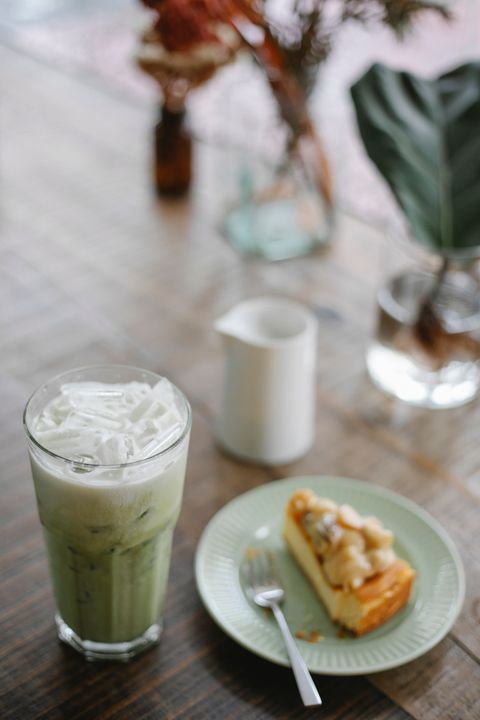
Matcha has gone from niche wellness ingredient to mainstream café menu item. The Indian matcha market is expected to grow at 7.3% CAGR through 2030 (Grand View Research, 2024), reflecting both health interest and café culture influence. A properly made matcha latte has a vivid green colour, a smooth grassy-sweet flavour, and a layer of foam on top. Getting there at home requires understanding two non-negotiable steps: sifting and dissolving.
Choosing the Right Matcha
Use culinary-grade matcha for lattes. Ceremonial-grade matcha is designed for the traditional Japanese preparation — whisked with water only — and its delicate flavour gets lost in milk. Culinary-grade matcha has a more robust, slightly earthier profile that holds against dairy and costs 40-60% less. Both are available online across India through tea importers and platforms like Amazon India.
The Technique That Most Recipes Skip
The single most common matcha latte mistake isn’t the milk temperature or the grade of matcha. It’s not sifting the powder first. Matcha clumps even in sealed packaging because its ultra-fine particles are electrostatically attracted to each other. Unsifted matcha dropped directly into milk — even warm milk — creates visible green lumps that no amount of stirring will fully dissolve. Sift first, always, using a fine tea strainer or any kitchen sieve over a small bowl.
After sifting, dissolve 1 teaspoon of matcha in 2-3 tablespoons of water at 70-75°C (not boiling: above 80°C, the catechins in matcha degrade and the flavour turns harsh and bitter). Use a bamboo chasen (matcha whisk, available for ₹250-₹600 online), a small hand blender, or a handheld milk frother. Whisk in a zigzag motion until a smooth, dark green paste forms with no lumps.
Building the Latte
Heat 200 ml of milk to 60-65°C. Do not boil. Frothed milk works beautifully: the micro-foam integrates with the matcha paste and creates a smooth, layered drink. Pour the matcha paste into your glass first. Add ice if making an iced version. Pour the frothed milk slowly over the top. The green paste will swirl up through the milk — that visual is part of the café experience.
For sweetener, add simple syrup or jaggery syrup to the matcha paste before adding milk, so it dissolves fully into the hot portion. Brown sugar syrup (dissolve 2 tablespoons of dark brown sugar or raw cane sugar in 3 tablespoons of hot water) complements matcha’s earthiness particularly well.
Citation Capsule: The Indian matcha market is projected to grow at 7.3% CAGR through 2030, according to Grand View Research (2024), driven by health-conscious consumers seeking alternatives to coffee. Matcha contains L-theanine, an amino acid that promotes calm alertness — a different energy profile from caffeine alone — making it popular among students and professionals seeking sustained focus without the jitteriness of espresso.
learn café beverage techniques in Ahmedabad →
How Do You Make Iced Tea That Isn’t Bitter or Watery?
India consumes approximately 837 million kg of tea annually, making it the world’s second-largest tea consumer (Tea Board of India, 2024). Most of that is hot chai. Iced tea is still an under-explored category in Indian home kitchens, despite being one of the easiest café-style drinks to make at home. Two technique fixes close the gap between café quality and home quality: brew at double strength, and control steeping temperature.

Why Temperature Matters for Iced Tea
Black tea brewed at a full rolling boil (100°C) extracts tannins aggressively. Tannins are astringent compounds that create that dry, puckering bitterness in the back of your mouth. Brew black tea at 90°C — bring water to boil, wait 60 seconds, then add tea bags. This extracts the flavour compounds you want without the harsh tannins.
Green tea is even more temperature-sensitive. It should be brewed at 75-80°C. Green tea brewed at boiling point turns immediately yellow-bitter and flat. Steep for no more than 2-3 minutes at the right temperature and you get a clean, light, slightly sweet base for an iced green tea.
Double-Strength Brewing
Use 4 tea bags (or 4 teaspoons of loose leaf tea) per 500 ml of hot water instead of the standard 2. Steep for the recommended time for your tea type, then remove the bags and let the brew cool to room temperature. Pour over a full glass of ice. The dilution from the melting ice brings the drink to exactly the right strength. This is the most important technique shift for home iced tea and it requires no new equipment.
Three Iced Tea Recipes to Start
Peach Iced Tea: Brew double-strength black tea, cool, and combine with homemade peach syrup. For the syrup: simmer 2 sliced ripe peaches with 4 tablespoons of sugar and 4 tablespoons of water for 10 minutes. Strain and cool. Add 2-3 tablespoons per glass, top with the cooled tea, ice, and a slice of fresh peach.
Lemon Honey Iced Green Tea: Brew double-strength green tea at 78°C for 2 minutes. Cool completely. Add fresh lemon juice and honey (not to hot tea — heat degrades honey’s enzymes). Pour over ice with a slice of lemon. Clean, light, and genuinely refreshing.
Mint and Rose Iced Tea: Brew double-strength black tea with 4-5 fresh mint leaves added to the hot water during steeping. Strain, cool, and combine with 1-2 tablespoons of rose syrup. Pour over ice. Garnish with a mint sprig. This one is a favourite in café menus across Ahmedabad and takes under 30 minutes to prepare from scratch.
In our experience teaching the Iced Teas and Coffee course at Florence Academy, the most common feedback after students try the double-strength method for the first time is genuine surprise. Most students have been making iced tea correctly in every way except this one — and it changes the result completely. Getting the brew strength right is a single-step fix with an immediate, noticeable difference.
What Are the Best Café-Style Iced Drinks to Try at Home?
Beyond cold brew and iced tea, cafés have built menus around a category of flavoured iced drinks that combine espresso or cold coffee with sweetened syrups, milk, and creative toppings. Three stand out for home replication — they’re simple to execute, require no specialised skills, and the ingredients are widely available across India.
- all under 30 active minutes
Source: Florence Academy
Dalgona Coffee (Whipped Coffee)
Dalgona coffee became a global phenomenon during 2020 and remains one of the most-searched coffee recipes in India. It uses instant coffee, not freshly ground beans. Combine 2 tablespoons of instant coffee, 2 tablespoons of sugar, and 2 tablespoons of hot water. Whisk vigorously by hand for 3-4 minutes, or use an electric hand mixer for 90 seconds, until the mixture turns pale, thick, and glossy — a foam that holds its shape.
Spoon this foam over a glass of chilled milk and ice. Stir before drinking to combine. The sweetness of the foam balances the bitterness of the concentrated coffee, and the visual contrast between foam and milk creates the café-style presentation. This works best with full-fat milk; low-fat milk produces a flatter tasting result.
Brown Sugar Iced Coffee
Brown sugar iced coffee was popularised by international café chains and translates perfectly to a home kitchen. Make brown sugar syrup: simmer 3 tablespoons of dark brown sugar with 3 tablespoons of water until dissolved. Cool completely. Brew strong espresso or use 3 tablespoons of cold brew concentrate. Fill a glass with ice, add the brown sugar syrup, pour cold milk over the ice, then slowly pour the coffee on top. Add a pinch of cinnamon on top. Don’t stir before drinking — the layered visual is part of the experience.
Vanilla Cold Coffee
This is the entry point for anyone new to home café drinks. Blend 2 scoops of vanilla ice cream with 150 ml of chilled milk, 2 tablespoons of cold brew concentrate, and a small pinch of salt. Pour over ice and serve immediately. The salt is not optional: a small pinch of salt in any coffee-based drink rounds out bitterness and enhances sweetness — a technique used by professional baristas.
Ready to learn from expert chefs? Explore Courses at Florence Academy →
What Equipment Do You Actually Need for Home Iced Drinks?
The honest answer is: very little. All five drink categories in this guide can be made with equipment most Indian home kitchens already have. The global home espresso machine market is valued at $4.8 billion (Grand View Research, 2024), but expensive machinery is not the determinant of quality for iced drinks. Technique and ingredient freshness matter more.
The Short Equipment List
| Drink | Equipment You Need | Approx. Cost if You Don’t Have It |
|---|---|---|
| Cold brew | Glass jar + cheesecloth | ₹0-₹150 |
| Matcha latte | Fine sieve + milk frother | ₹150-₹600 |
| Iced tea | Any kettle or pot | ₹0 (already own) |
| Dalgona coffee | Hand whisk or mixer | ₹0-₹800 |
| Brown sugar coffee | Glass + spoon | ₹0 (already own) |
A handheld milk frother (₹350-₹700) is the single most useful optional purchase. It froths milk for matcha lattes, whisks dalgona foam in 90 seconds, and blends matcha paste evenly. That one tool improves four of the five drinks in this post.
What You Don’t Need
An espresso machine is not required for any drink in this guide. Cold brew produces stronger coffee than most home espresso machines at under ₹2,500, and dalgona uses instant coffee by design. Don’t invest in a capsule machine for iced drinks — the capsule system is not designed for the cold-dilution ratios that iced drinks require.
complete café beverage course in Ahmedabad →
Citation Capsule: The global home espresso machine market is valued at $4.8 billion according to Grand View Research (2024), yet beverage experts consistently identify technique and ingredient freshness — not equipment cost — as the primary determinants of quality in home iced coffee and cold drinks. Grind size, brew temperature, and dilution management produce better results than any machine upgrade.
Frequently Asked Questions
What is the difference between cold brew and iced coffee?
Cold brew steeps coarsely ground coffee in cold water for 12-18 hours without any heat. Iced coffee is hot-brewed coffee poured over ice — quicker but more bitter due to heat extraction. Cold brew is smoother, less acidic, and approximately 67% lower in acidity than hot-brewed coffee (Toddy LLC, 2023), making it easier on the stomach and more approachable without added sugar.
iced coffee techniques course →
What matcha grade should I buy for a latte at home?
Use culinary-grade matcha for lattes. It has a more robust flavour that holds against dairy and costs 40-60% less than ceremonial grade. Ceremonial matcha is designed to be whisked with water only, where its delicate flavour can be fully appreciated. For any milk-based matcha drink — iced or hot — culinary grade performs better and is easier to find in India via online retailers.
How long does cold brew coffee last in the fridge?
Cold brew concentrate keeps for up to 2 weeks in a sealed glass jar in the refrigerator. Ready-to-drink cold brew (already diluted with water or milk) keeps for 3-5 days. Store in glass, not plastic — plastic absorbs and imparts off-flavours over extended cold storage. Never leave finished cold brew at room temperature for more than 2 hours.
Can I make a matcha latte without a whisk?
Yes. A handheld milk frother, a small blender, or even a tightly sealed jar (shake method) works. The essential step is dissolving the matcha in 2-3 tablespoons of warm water first — before adding any milk — to create a smooth paste. Matcha dropped directly into cold milk always clumps, regardless of how long you stir. Dissolve first; add milk second.
Which iced tea is best for beginners at home?
Peach iced tea or classic lemon iced tea made with black tea are the simplest starting points. Brew black tea at double strength (4 bags per 500 ml at 90°C, steeped 4 minutes), cool, and pour over ice with fruit syrup of your choice. Both are ready in under 30 minutes and need no equipment beyond a kettle. Start here, then move to green tea or herbal blends once you’re comfortable.
explore iced tea recipes and brewing techniques →
Are these café-style drinks suitable for a Jain diet?
Yes. All drinks in this guide — cold brew, matcha lattes, iced teas, dalgona coffee, and brown sugar iced coffee — are fully vegetarian and Jain-compatible. None contain meat, eggs, root vegetables, onion, or garlic. For Jain readers avoiding dairy, oat milk or almond milk substitute directly in cold brew and matcha lattes. Jaggery syrup or raw cane sugar are Jain-friendly sweetener alternatives throughout.
The Bottom Line
Cold brew, matcha lattes, iced teas, and café-style flavoured coffee are four different drink categories with four different sets of technique rules. Cold brew asks for coarse grounds and patience. Matcha demands sifting and dissolving before milk touches it. Iced tea needs double-strength brewing and temperature discipline. Flavoured iced drinks combine these skills with simple homemade syrups.
None of these require expensive equipment. What they require is knowing which variables actually determine quality — and then controlling those variables consistently. That’s the difference between a café and a home kitchen. The café applies technique reliably, every time. You can do the same.
If you want structured, hands-on training in iced beverages, flavoured lattes, and café-style drinks, the Iced Teas and Coffee Course at Florence Academy covers cold brew ratios, matcha preparation, iced tea brewing methods, and café drink construction in a practical kitchen setting. Join 2,000+ students who’ve trained with expert chefs at Florence Academy, Ahmedabad.
Have questions? Chat with us on WhatsApp — we respond fast.
Florence Academy of World Cuisines is Ahmedabad’s leading culinary institute, offering 50+ expert-led courses for home cooks, aspiring chefs, and food entrepreneurs across Gujarat.


